
Author: KC

  • Collagen Peptides for Skin Hydration: Benefits and How to Take Them

    Collagen Peptides for Skin Hydration: Benefits and How to Take Them

    👉 At a glance: Collagen peptides are small, absorbable collagen fragments that can improve skin hydration and moisture retention from within. Taken daily for 8–12 weeks alongside good skincare and hydration, they help skin feel plumper and more supple.

    What Are Collagen Peptides?

    Collagen peptides, also called hydrolyzed collagen, are collagen proteins broken into short amino acid chains. This processing makes them far more soluble and easier to absorb than intact collagen.

    Once absorbed, these peptides deliver glycine, proline, and hydroxyproline—building blocks for the body’s own collagen. Some peptides may also signal skin cells to support the collagen matrix.

    This inside-out approach complements topical hydration, addressing the skin’s deeper support structure rather than just its surface.

    How Collagen Peptides Support Skin Hydration

    Well-hydrated skin depends on both water content and the structural network that holds moisture. Collagen contributes to this framework, and studies show improvements in skin hydration and elasticity with regular use.

    By supporting the skin’s moisture-retaining structure, collagen peptides help skin feel plumper, smoother, and more supple over time. The effect is gradual and cumulative rather than immediate.

    Many formulas add hyaluronic acid and vitamin C—hyaluronic acid attracts water, while vitamin C is essential for collagen synthesis—creating a hydration-focused blend.

    How to Take Collagen Peptides

    A common daily dose is 2.5 to 10 grams. Powders dissolve easily in water, coffee, tea, or smoothies without much taste, making them simple to add to a routine; capsules and drinks are alternatives.

    Consistency is key—take it daily and allow 8 to 12 weeks before assessing. Pairing collagen with a vitamin C source and enough water supports both absorption and skin hydration.

    Timing is flexible, so pick a moment you will remember—stirring collagen into morning coffee is popular because it is easy to stick with. The best supplement is the one you actually take every day.

    Getting the Best Results

    Supplements work best alongside hydrating skincare and sun protection. Daily sunscreen prevents UV-driven collagen breakdown, while moisturizers with hyaluronic acid and glycerin lock hydration into the surface.

    A diet rich in protein, vitamin C, and antioxidants gives your body materials to build collagen, and limiting excess sugar and smoking protects the collagen you already have.

    Be skeptical of exaggerated marketing. Collagen peptides genuinely improve hydration and suppleness, but no supplement erases wrinkles or replaces sun protection. Viewing it as one helpful piece keeps expectations realistic.

    Possible Side Effects and Precautions

    Collagen peptides are generally very well tolerated. Mild digestive effects like fullness or bloating are the most common complaints, often easing with time or by adjusting the dose.

    Because collagen is usually from fish, bovine, or porcine sources, those with related allergies should check the label. If pregnant, breastfeeding, or managing a condition, consult a provider first, and choose reputable brands with transparent sourcing.

    ⚠️ Caution: Check the collagen source if you have fish or animal-product allergies, and consult a healthcare provider before use if pregnant, breastfeeding, or managing a condition.

    Key Takeaways

    • Collagen peptides are absorbable, hydrolyzed collagen fragments.
    • They support skin hydration and elasticity from within.
    • Take 2.5–10 g daily and allow 8–12 weeks for results.
    • Pair with sunscreen, moisturizers, and a vitamin C–rich diet.
    • Check the source for allergies and consult a provider if needed.

    This article is general information and does not replace professional diagnosis or treatment. Consult a qualified provider if symptoms persist.


  • How to Boost Immunity: Effective Supplements and Daily Habits

    How to Boost Immunity: Effective Supplements and Daily Habits

    👉 At a glance: A strong immune system comes from the combination of healthy habits—sleep, nutrition, exercise, and stress control—and targeted supplements like vitamin D, vitamin C, zinc, and probiotics. Habits form the foundation; supplements fill the gaps.

    Everyday Habits That Strengthen Immunity

    The most powerful immune support comes from daily habits rather than any pill. Consistent seven to nine hours of quality sleep lets the immune system repair itself, and chronic sleep loss measurably weakens defenses.

    Regular moderate exercise improves circulation and immune surveillance, while managing stress prevents prolonged cortisol elevation. Not smoking and limiting alcohol also protect immune function.

    These fundamentals are unglamorous but genuinely effective. No supplement can compensate for chronically poor sleep, inactivity, or high stress, so habits always come first.

    Meal timing and balance matter as much as individual foods. Regular meals combining protein, healthy fats, and fiber keep energy and blood sugar steady, indirectly supporting immunity.

    A Nutrient-Rich Diet

    Food is the primary source of immune-supporting nutrients. A varied diet of colorful vegetables and fruit supplies vitamins C and A and antioxidants, while adequate protein provides building blocks for immune cells.

    Fermented foods like yogurt, kefir, and kimchi support gut health, where much of the immune system resides. Whole grains, nuts, and seeds add zinc and selenium, and hydration keeps every system running.

    Supplements That Can Help

    Vitamin D is one of the most worthwhile supplements because deficiency is common, especially in winter, and it plays a key regulatory role. Testing your level can guide the right dose.

    Vitamin C supports immune cells; zinc can shorten colds when taken early; and probiotics support the gut-immune connection. Best used to address specific gaps rather than all at once in high doses.

    Think of supplements as targeted reinforcements—useful where diet or sunlight falls short—not as a substitute for a healthy lifestyle.

    Putting It All Together

    The most effective approach layers good habits, a nutrient-rich diet, and a few well-chosen supplements. For many that means prioritizing sleep and vegetables, moving daily, and supplementing vitamin D year-round with C or zinc as needed.

    Consistency beats intensity: steady daily support does far more than scrambling for high doses at the first sign of a cold. Build routines you can maintain through the seasons.

    Quality varies between brands, so look for third-party testing or recognized certifications. Reputable products reduce the risk of contaminants and underdosing.

    Possible Side Effects and Precautions

    More is not better with supplements. Excess vitamin C upsets the stomach, long-term high-dose zinc depletes copper, and fat-soluble vitamins A and D can build to harmful levels. Stick to recommended amounts.

    Supplements can interact with medications. If pregnant, taking prescriptions, or managing a condition, consult a healthcare provider first. Ongoing illness or fatigue should be assessed by a doctor.

    ⚠️ Caution: Avoid high-dose supplement stacking—excess zinc or fat-soluble vitamins can harm—and consult a provider before supplementing if pregnant, medicated, or managing a condition.

    Above all, no single product replaces the basics—consistent sleep, good food, and movement remain the foundation everything else builds upon.

    Key Takeaways

    • Habits—sleep, exercise, stress control—are the immune foundation.
    • A varied, nutrient-rich diet supplies most immune nutrients.
    • Vitamin D, vitamin C, zinc, and probiotics can fill specific gaps.
    • Combine habits, diet, and supplements consistently over time.
    • Avoid megadoses and check with a provider about interactions.

    This article is general information and does not replace professional diagnosis or treatment. Consult a qualified provider if symptoms persist.
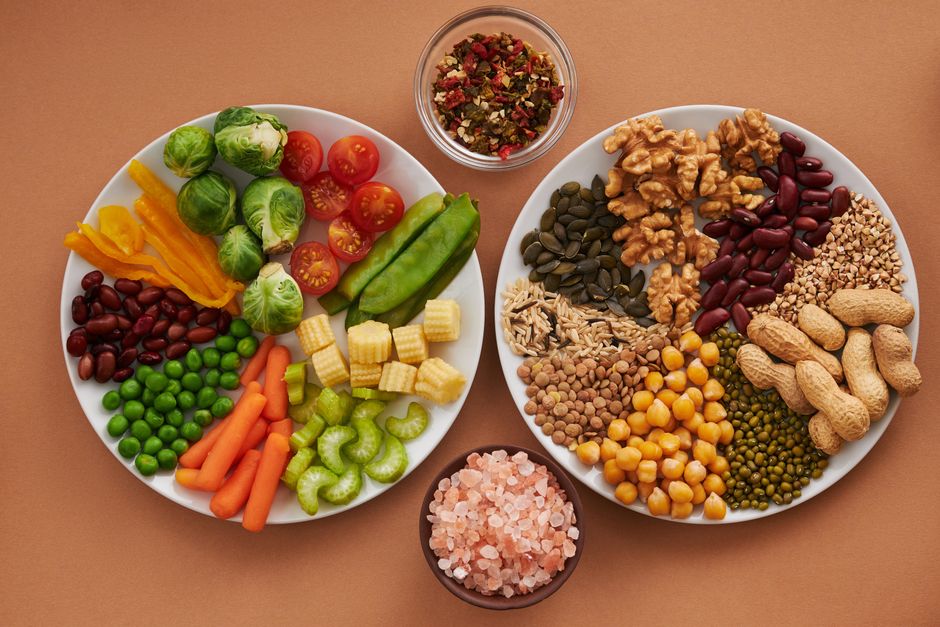
  • How to Hydrate Skin with Collagen Peptides: A Complete Routine

    How to Hydrate Skin with Collagen Peptides: A Complete Routine

    👉 At a glance: Hydrating skin with collagen peptides works best when you combine the supplement with a smart topical routine and lifestyle. Drink collagen daily, layer humectant skincare, protect with sunscreen, and stay hydrated for plump, supple skin.

    Why Collagen Helps with Hydration

    Collagen is the structural protein that gives skin firmness and helps it retain moisture. As natural collagen declines with age, skin becomes drier, thinner, and less able to hold water, contributing to a dull, crepey look.

    Collagen peptides—hydrolyzed collagen broken into absorbable fragments—supply amino acids the body uses for skin structure. Studies link regular intake to improved skin hydration and elasticity.

    Because this works from the inside, it complements topical products that hydrate the surface, giving a two-pronged approach to plumper skin.

    Building a Hydration Routine with Collagen

    Start with a daily collagen peptide supplement of 2.5 to 10 grams, mixed into water, coffee, or a smoothie. Take it consistently and give it 8 to 12 weeks to show visible effects.

    On the outside, cleanse gently to avoid stripping the skin, then apply hydrating products to slightly damp skin. Layer a humectant serum, then a moisturizer that seals in water, and always finish the morning with sunscreen.

    This inside-and-out routine addresses both the skin’s water content and its underlying support structure for more complete hydration.

    Avoid over-cleansing and hot water, both of which strip natural oils. Lukewarm water and a gentle cleanser preserve the barrier so following products work more effectively.

    Key Ingredients to Pair with Collagen

    Vitamin C is a natural partner: it is essential for your body’s own collagen synthesis and adds antioxidant protection, so pairing collagen with vitamin C makes sense.

    For topical hydration, look for hyaluronic acid and glycerin to draw in water, plus ceramides and squalane to reinforce the barrier. Soothing ingredients like panthenol and centella keep skin calm.

    Lifestyle Habits for Plump, Hydrated Skin

    Drink enough water and eat water-rich foods to support hydration from within. A diet high in protein, vitamin C, and antioxidants gives your body materials to build collagen.

    Protect skin by wearing sunscreen daily, since UV breaks down collagen, and by limiting smoking and excess sugar. A humidifier and adequate sleep round out a skin-friendly lifestyle.

    Consistency, once again, makes the difference. A modest routine followed daily hydrates far better than an elaborate one used sporadically. Choose products and a format you enjoy so the habit sticks.

    Possible Side Effects and Precautions

    Collagen supplements are generally safe, with occasional mild fullness or bloating. Since collagen is often from fish, bovine, or porcine sources, those with allergies should check labels carefully.

    Topical products can irritate sensitive skin, so patch-test new items and introduce actives gradually. If pregnant, breastfeeding, or managing a condition, consult a provider, and see a dermatologist for persistent dryness.

    ⚠️ Caution: Check collagen sourcing for allergies, patch-test new skincare, and consult a provider before supplementing if pregnant, breastfeeding, or managing a health condition.

    Key Takeaways

    • Collagen supports skin’s structure and moisture retention from within.
    • Take collagen peptides daily and allow 8–12 weeks for results.
    • Layer humectant serums and moisturizers on damp skin, then sunscreen.
    • Pair with vitamin C, hyaluronic acid, ceramides, and adequate water.
    • Check sourcing for allergies and consult a provider if needed.

    This article is general information and does not replace professional diagnosis or treatment. Consult a qualified provider if symptoms persist.

  • Kidney Health: 5 Essential Habits and Foods to Protect Your Kidneys

    Kidney Health: 5 Essential Habits and Foods to Protect Your Kidneys

    👉 At a glance: Healthy kidneys depend on hydration, a balanced low-sodium diet, blood pressure and blood sugar control, and avoiding overuse of certain medications. Kidney-friendly foods and simple daily habits go a long way toward protecting these vital organs.

    Why Kidney Health Matters

    The kidneys filter waste, balance electrolytes, regulate blood pressure, and support red blood cell production. When damaged, waste builds up in the body, which is why protecting them is so important.

    Kidney disease often develops silently, with few symptoms until advanced. This makes prevention and early habits especially valuable, particularly with risk factors like high blood pressure, diabetes, or family history.

    The encouraging news is that everyday choices—what you eat and drink and how you manage related conditions—have a real impact on long-term kidney health.

    Essential Habits for Healthy Kidneys

    Staying well hydrated helps kidneys clear waste efficiently; water is best. Managing blood pressure is crucial, since high pressure is a leading cause of kidney damage.

    Keeping blood sugar in a healthy range protects kidneys from diabetes-related harm, one of the most common causes of kidney disease. Regular exercise, a healthy weight, not smoking, and limiting alcohol all support function.

    Avoiding frequent, unsupervised use of painkillers like NSAIDs is also important, as overuse can strain the kidneys over time.

    Kidney-Friendly Foods

    A lower-sodium diet reduces the kidneys’ workload and helps control blood pressure, so cooking at home and limiting processed foods makes a big difference. Fresh vegetables, whole grains, and healthy fats form a kidney-friendly base.

    Foods like berries, leafy greens, apples, and fish provide nutrients and antioxidants. Moderating protein and being mindful of potassium and phosphorus matters more for those with existing kidney concerns.

    Hydration has nuance: while enough water helps, drastically overhydrating offers no extra benefit and can be counterproductive for some. Aim for pale-yellow urine as a simple, practical guide.

    What to Limit

    Cut back on high-sodium processed and packaged foods, which drive up blood pressure. Excess added sugar and sugary drinks contribute to weight gain and diabetes risk, indirectly harming the kidneys.

    Be cautious with very high-protein diets and supplements unless advised, and moderate alcohol. With kidney disease, foods high in potassium or phosphorus may need limiting—guidance from a doctor or dietitian is essential.

    Keep a list of supplements and OTC medications you take and share it with your doctor. Some seemingly harmless products can affect the kidneys, and a professional can flag combinations to avoid.

    When to See a Doctor

    Because kidney disease is often silent, regular checkups with blood and urine tests are the best way to catch problems early. Warning signs like swelling in the legs, changes in urination, persistent fatigue, or foamy urine warrant evaluation.

    Anyone with diabetes, high blood pressure, or family history should monitor kidney function proactively. Do not self-diagnose or ignore symptoms; early detection dramatically improves outcomes.

    ⚠️ Caution: Kidney disease is often silent—if you have diabetes, high blood pressure, or a family history, get regular kidney function tests and avoid overusing NSAID painkillers.

    Key Takeaways

    • Kidneys filter waste and regulate fluid, blood pressure, and electrolytes.
    • Stay hydrated and control blood pressure and blood sugar.
    • Eat a lower-sodium diet rich in vegetables, fruit, and whole grains.
    • Limit processed foods, excess sugar, and unsupervised painkiller use.
    • Get regular checkups if you have kidney disease risk factors.

    This article is general information and does not replace professional diagnosis or treatment. Consult a qualified provider if symptoms persist.
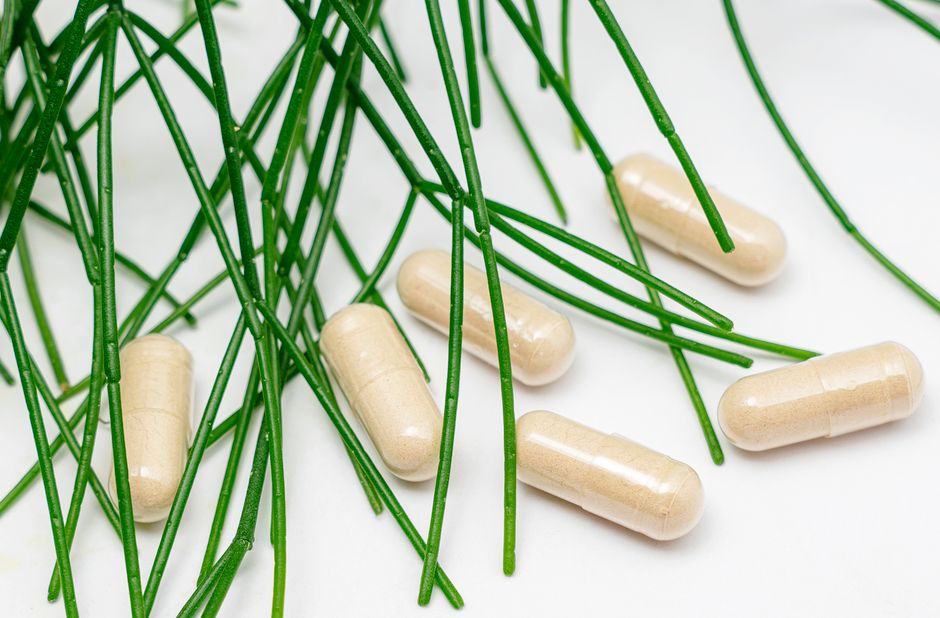
  • Immune Support Supplements: Effective Strategies and How to Choose Products

    Immune Support Supplements: Effective Strategies and How to Choose Products

    👉 At a glance: An effective immune-support supplement strategy focuses on the nutrients you are most likely to lack—vitamin D, vitamin C, zinc, and probiotics—chosen from quality products and used consistently alongside a healthy lifestyle.

    Building a Smart Supplement Strategy

    A good strategy starts with a simple principle: target gaps rather than taking everything. Most people benefit from addressing the specific nutrients their diet leaves short, instead of a scattershot approach.

    For many, vitamin D is the top priority, since deficiency is widespread, especially in winter. From there, a few well-chosen additions can support immune resilience during colder seasons.

    Supplements are reinforcements, not replacements. They perform best layered on solid sleep, nutrition, and activity rather than used to paper over an unhealthy routine.

    Core Immune-Support Supplements

    Vitamin D supports immune regulation and is a sensible daily supplement; testing your level helps set the dose. Vitamin C is an antioxidant supporting immune cells, generally safe at moderate doses.

    Zinc contributes to immune cell function and may shorten colds when taken early. Probiotics support the gut microbiome, which houses much of the immune system.

    Additional nutrients like selenium, vitamin A, and B6 play supporting roles and are usually well covered by a varied diet, reducing the need to supplement them separately.

    Choosing Quality Products

    Not all supplements are equal. Look for brands with third-party testing or recognized certifications, which verify the product contains what the label claims without harmful contaminants.

    Check form and dose—vitamin D3 is preferred over D2, and chelated zinc may be gentler on the stomach. Avoid excessive megadoses or unnecessary additives, and match the format to what you will take consistently.

    Review your regimen periodically. Needs change with seasons, diet, and health, so a winter supplement may be unnecessary in summer. Revisiting your stack a couple of times a year keeps it relevant and avoids waste.

    Using Supplements Effectively

    Take fat-soluble vitamins like D with a fatty meal for better absorption, and space out competing minerals like high-dose zinc and copper. Consistency is more valuable than occasional high doses.

    Combine supplements with the habits that matter most—adequate sleep, a nutrient-rich diet, movement, and stress management. This layered approach gives the immune system its best chance.

    Gummies and flavored formats deserve caution: they often contain added sugar and can be easy to over-consume because they taste like candy. Keep an eye on both dose and sugar content.

    Possible Side Effects and Precautions

    Overdoing supplements can backfire. Excess vitamin C causes stomach upset, prolonged high-dose zinc depletes copper, and fat-soluble vitamins A and D can accumulate to toxic levels. Recommended doses exist for good reason.

    Supplements can interact with medications. If pregnant, breastfeeding, on prescription drugs, or managing a condition, consult a provider before starting, and see a doctor for persistent illness.

    ⚠️ Caution: Choose third-party-tested products, avoid megadoses that can harm, and consult a healthcare provider before supplementing if pregnant, medicated, or managing a condition.

    Key Takeaways

    • Target nutrient gaps—often vitamin D—rather than taking everything.
    • Core options are vitamin D, vitamin C, zinc, and probiotics.
    • Pick third-party-tested products in effective, well-dosed forms.
    • Take fat-soluble vitamins with food and use supplements consistently.
    • Avoid megadoses and consult a provider about interactions.

    This article is general information and does not replace professional diagnosis or treatment. Consult a qualified provider if symptoms persist.
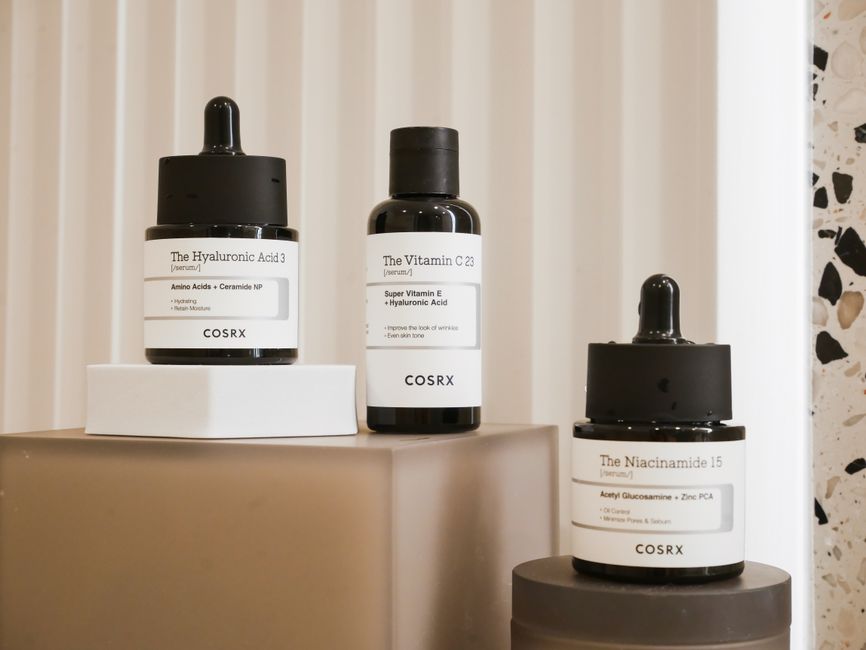
  • Melatonin for Sleep: Benefits, Dosage, and Precautions

    Melatonin for Sleep: Benefits, Dosage, and Precautions

    👉 At a glance: Melatonin is a hormone that regulates the sleep-wake cycle, and low-dose supplements can help with jet lag, shift work, and trouble falling asleep. It works best taken shortly before bed at the lowest effective dose, alongside good sleep habits.

    What Is Melatonin?

    Melatonin is a hormone naturally produced by the pineal gland in response to darkness. It signals that it is time to sleep, playing a central role in regulating the circadian rhythm—your internal 24-hour clock.

    As evening approaches, melatonin levels rise, helping you feel drowsy; in the morning, they fall as light increases. Modern life, with bright screens and irregular schedules, can disrupt this natural rhythm.

    Melatonin supplements provide a synthetic or plant-derived version of this hormone, used to nudge the body toward sleep when the natural signal is out of sync.

    How Melatonin Supplements Help Sleep

    Melatonin is most useful for circadian-related sleep issues rather than as a general sedative. It can be especially effective for jet lag, shift work, and delayed sleep timing where the body clock is misaligned.

    For people who struggle to fall asleep, a low dose before bed can shorten the time it takes to drift off. It tends to help with sleep onset more than with staying asleep through the night.

    Importantly, melatonin is a gentle sleep aid, not a knockout drug—it supports your natural rhythm rather than forcing sleep, so results are subtle.

    How to Take Melatonin

    Less is often more: many do well with 0.5 to 3 mg, taken 30 to 60 minutes before bedtime. Higher doses are not more effective and can cause grogginess, so start low.

    Timing matters as much as dose—taking it too late can shift your rhythm the wrong way. Pair melatonin with good sleep hygiene: dim evening lights, less screen time, and a consistent schedule.

    Screen light is a particular culprit because blue wavelengths suppress your natural melatonin. Dimming devices or stepping away an hour before bed can make your own melatonin work better—sometimes reducing the need for a supplement.

    Building Better Sleep Habits

    Melatonin works best as part of a broader sleep routine, not a standalone fix. Regular sleep and wake times anchor your rhythm, while a cool, dark, quiet bedroom supports deeper rest.

    Limiting afternoon caffeine, avoiding heavy meals and alcohol near bedtime, and getting morning daylight all reinforce a healthy rhythm—often improving sleep more sustainably than supplements alone.

    Quality and dosing accuracy vary between products, since melatonin is sold as a supplement. Choosing a reputable, third-party-tested brand helps ensure the label dose matches what is inside.

    Possible Side Effects and Precautions

    Melatonin is generally well tolerated short-term, but side effects can include daytime drowsiness, headache, dizziness, or vivid dreams, especially at higher doses. Reducing the dose usually helps.

    It can interact with blood thinners, immunosuppressants, and diabetes drugs, and long-term effects are less studied. Pregnant or breastfeeding individuals, children, and those with conditions should consult a provider first. Persistent insomnia needs medical advice.

    ⚠️ Caution: Melatonin can interact with medications like blood thinners and is best for short-term use—consult a healthcare provider before use if pregnant, on medication, or if insomnia persists.

    Melatonin works best as a temporary reset rather than a permanent crutch, so use it to adjust your rhythm and then let healthy sleep habits carry it forward.

    Key Takeaways

    • Melatonin is a hormone that regulates the sleep-wake cycle.
    • It helps most with jet lag, shift work, and falling asleep.
    • Start low (0.5–3 mg) 30–60 minutes before bed.
    • Pair it with consistent, screen-free, dark-room sleep habits.
    • Check for drug interactions and see a doctor for lasting insomnia.

    This article is general information and does not replace professional diagnosis or treatment. Consult a qualified provider if symptoms persist.

  • Niacinamide for Skin Tone: How It Works and How to Use It

    Niacinamide for Skin Tone: How It Works and How to Use It

    👉 At a glance: Niacinamide improves skin tone by fading dark spots, reducing redness, and evening out discoloration—while also strengthening the skin barrier. This guide covers how it works, realistic timelines, and how to combine it with other ingredients.

    What Makes Niacinamide So Effective?

    Niacinamide, or vitamin B3, has earned its reputation because it addresses several skin concerns at once with minimal irritation. It brightens, balances oil, and reinforces the barrier, making it unusually versatile.

    The “secret” is really consistency and mechanism: niacinamide supports the skin’s natural functions rather than forcing change, delivering steady, cumulative improvements that suit almost every skin type.

    Because it is gentle and water-soluble, it can be used morning and night and layered with most actives, which is why it appears in so many serums and moisturizers.

    How It Improves Skin Tone

    Niacinamide evens tone primarily by interrupting the transfer of melanin to surface cells. Over time, this fades dark spots, post-acne marks, and discoloration, leaving a clearer, more uniform complexion.

    It also calms redness and blotchiness. Because it does not increase sun sensitivity, it is a low-risk way to work on tone, though results build gradually over several weeks.

    For the best brightening outcome, daily sunscreen is essential—protecting against UV prevents new pigmentation from undoing your progress.

    Combining Niacinamide with Other Ingredients

    Niacinamide plays well with others. It pairs nicely with hyaluronic acid for hydration, with retinol to offset dryness, and—contrary to an old myth—with modern stabilized vitamin C for layered brightening.

    This compatibility lets you build a routine that targets several concerns without conflict. Introduce one new product at a time so you can identify what works, and keep the routine manageable rather than overloaded.

    It matters where niacinamide sits: as the lead active in a serum it gives the most control, while as a secondary ingredient in a moisturizer it offers gentle, ongoing support. Both work depending on how targeted you want to be.

    How to Use It for Best Results

    Choose a product with 2% to 5% niacinamide; higher concentrations offer little extra benefit and can irritate. Apply after cleansing and toning, before heavier creams, once or twice daily.

    Be patient—visible tone improvements typically take four to eight weeks. Track progress with occasional photos, and remember steady daily application matters far more than the strength on the bottle.

    Realistic expectations help. Niacinamide gradually refines and evens skin, but will not lighten deep pigmentation overnight or replace treatments for stubborn concerns. Viewed as steady maintenance, it rarely disappoints.

    Possible Side Effects and Precautions

    Niacinamide is among the best-tolerated actives, but some people, particularly at higher concentrations, may notice temporary flushing, tingling, or mild irritation. Dropping to a lower percentage usually resolves it.

    Patch-test new products, especially if reactive, and ease niacinamide in alongside other actives. If irritation persists or you have a specific condition, consult a dermatologist for personalized advice.

    ⚠️ Caution: Niacinamide is gentle, but higher concentrations can cause flushing—patch-test new products and lower the strength or frequency if your skin becomes irritated.

    Ultimately, steady daily use is the real secret, since the skin responds to repeated, consistent exposure rather than occasional high-strength application.

    Key Takeaways

    • Niacinamide (vitamin B3) brightens, balances oil, and repairs the barrier.
    • It evens tone by reducing melanin transfer and calming redness.
    • It layers well with hyaluronic acid, retinol, and modern vitamin C.
    • Use 2–5% once or twice daily; results take four to eight weeks.
    • Patch-test and scale back if you notice flushing or irritation.

    This article is general information and does not replace professional diagnosis or treatment. Consult a qualified provider if symptoms persist.

  • Stress Relief: 5 Science-Backed Ways to Calm Your Mind

    Stress Relief: 5 Science-Backed Ways to Calm Your Mind

    👉 At a glance: Science-backed stress relief includes deep breathing, regular exercise, mindfulness, quality sleep, and strong social connection. These simple, evidence-based habits calm the nervous system and build lasting resilience against everyday stress.

    Understanding the Stress Response

    Stress triggers the body’s “fight or flight” response, releasing cortisol and adrenaline that raise heart rate. This is helpful in short bursts but harmful when it becomes chronic.

    Prolonged stress is linked to poor sleep, weakened immunity, high blood pressure, anxiety, and burnout. Learning to activate the body’s “rest and digest” response is key to counteracting these effects.

    The good news is that several well-studied techniques can reliably lower stress. The most effective approach combines a few into a sustainable daily routine.

    Breathing and Relaxation Techniques

    Slow, deep breathing is one of the fastest ways to calm the nervous system. Extending your exhale longer than your inhale signals the body to relax and can lower heart rate within minutes.

    Progressive muscle relaxation—tensing and releasing muscle groups one by one—also reduces physical tension. These tools are free, portable, and research-backed, ideal first responses to acute stress.

    Exercise and Movement

    Physical activity is one of the most powerful stress relievers. It burns off stress hormones, releases endorphins, and improves sleep, building resilience over time.

    You do not need intense workouts—a brisk walk, cycling, yoga, or dancing all count. Even short movement breaks can reset your mood. Consistency matters more than intensity, so choose activities you enjoy.

    Mindfulness, Sleep, and Connection

    Mindfulness and meditation train the mind to stay present rather than spiraling into worry, and regular practice is shown to reduce stress and anxiety. Even a few minutes a day can help.

    Quality sleep is essential, since poor sleep and stress feed each other; a consistent schedule breaks that cycle. Finally, social connection buffers stress and improves emotional wellbeing.

    Nutrition and caffeine play a quiet role: excess caffeine can amplify anxiety symptoms, while balanced meals keep blood sugar steady and mood even. Small adjustments make the other techniques work better.

    Building a Sustainable Routine

    Rather than trying everything at once, pick one or two techniques that fit your life and practice them consistently. Small daily habits—a morning walk, a few minutes of breathing—compound into meaningful resilience.

    Manage stress at the source where possible: setting boundaries, organizing your time, and limiting doom-scrolling reduce the load. Treat stress management as ongoing maintenance, not a one-time fix.

    Spending time in nature is another research-supported option. Even short periods outdoors have been shown to lower stress markers and improve mood, making it an easy addition to any routine.

    When to Seek Help

    Everyday stress is normal, but persistent stress that interferes with sleep, work, relationships, or health deserves attention. Ongoing anxiety, hopelessness, or feeling overwhelmed are signs to reach out.

    A doctor or mental health professional can provide effective support, from therapy to other evidence-based treatments. Seeking help is a sign of strength, not weakness, and early support often prevents bigger problems.

    ⚠️ Caution: If stress is persistent and interferes with sleep, work, or relationships—or brings ongoing anxiety or hopelessness—reach out to a doctor or mental health professional.

    Key Takeaways

    • Chronic stress harms sleep, immunity, and mental health.
    • Deep breathing and muscle relaxation calm the body quickly.
    • Regular exercise burns off stress hormones and lifts mood.
    • Mindfulness, good sleep, and social connection build resilience.
    • Seek professional help if stress becomes persistent or overwhelming.

    This article is general information and does not replace professional diagnosis or treatment. Consult a qualified provider if symptoms persist.
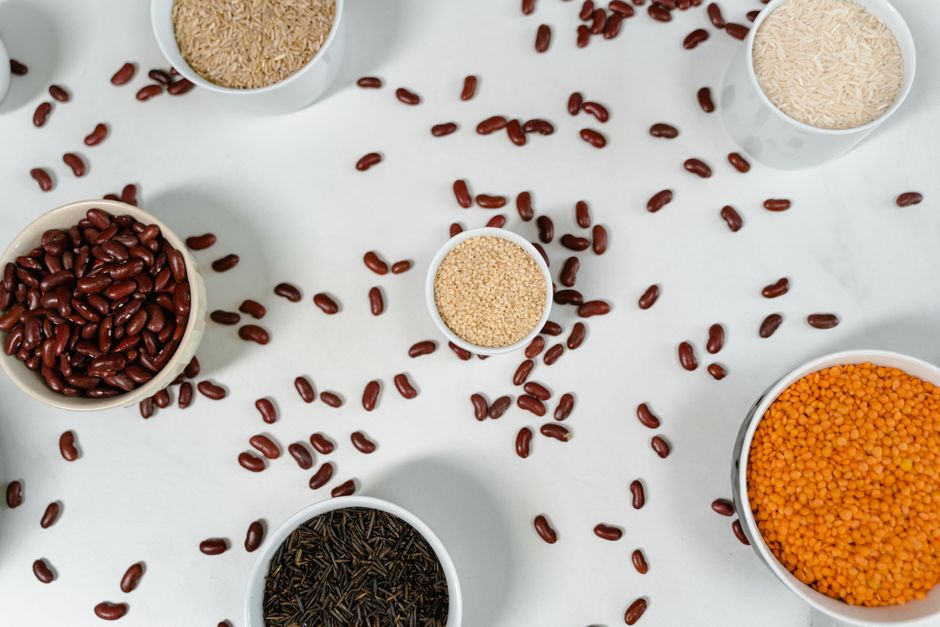
  • Blood Sugar Management: Diet, Exercise, and Supplement Support

    Blood Sugar Management: Diet, Exercise, and Supplement Support

    👉 At a glance: Managing blood sugar relies on balanced meals, fiber, regular exercise, and steady habits, with certain supplements offering supportive benefits. The core strategy is controlling carbohydrate quality and portions while staying active—supplements are an add-on, not a substitute.

    Why Blood Sugar Balance Matters

    Blood sugar (glucose) is the body’s main energy source, but keeping it in a healthy range is essential. Frequent spikes and crashes leave you tired and hungry, and chronically high levels raise the risk of type 2 diabetes.

    After meals, glucose naturally rises; the goal is to keep those rises gradual and moderate rather than sharp. Steady blood sugar supports stable energy, better focus, and long-term metabolic health.

    For people with prediabetes or diabetes, blood sugar management is central to health, but the same principles help anyone seeking steadier energy and reduced cravings.

    Diet Strategies for Steady Blood Sugar

    Carbohydrate quality and quantity are the biggest levers. Choosing high-fiber, whole-food carbs—vegetables, legumes, and whole grains—over refined starches and sugary foods leads to gentler glucose rises.

    Pairing carbs with protein, healthy fat, and fiber slows digestion and blunts spikes. Watching portion sizes and limiting sugary drinks, which raise blood sugar rapidly, makes a large difference.

    The order you eat can help too: starting a meal with vegetables and protein before carbohydrates tends to reduce the post-meal glucose surge.

    Hydration and meal timing help as well. Drinking water rather than sweetened beverages avoids sugar, and eating at regular times prevents extreme hunger that leads to overeating high-carb foods later.

    Exercise and Daily Habits

    Physical activity helps muscles use glucose and improves insulin sensitivity, one of the most effective tools for control. A short walk after meals is especially useful for lowering post-meal spikes.

    Consistent movement—aerobic activity plus some resistance training—supports metabolic health. Adequate sleep and stress management also matter, since both poor sleep and chronic stress can raise blood sugar.

    Where Supplements Fit In

    Some supplements are studied for blood sugar, including fiber (psyllium), berberine, cinnamon, magnesium, and chromium. Products often combine several of these.

    The evidence varies by ingredient, and supplements should be a modest complement to diet and exercise, not a replacement. If you have diabetes or take glucose-lowering medication, some supplements can interact, so professional guidance is essential.

    If you monitor glucose, keeping a simple log of readings alongside meals and activity reveals what affects you personally—far more useful than generic advice for fine-tuning your approach.

    Possible Side Effects and Precautions

    Blood-sugar supplements can cause digestive upset and, with diabetes medications, may lower glucose too far, risking hypoglycemia. Symptoms like shakiness, sweating, and confusion need prompt attention.

    Never stop or adjust prescribed diabetes medication in favor of supplements. If pregnant, on medication, or managing a condition, consult a provider first. Regular monitoring and medical guidance are the safest foundation.

    ⚠️ Caution: Blood-sugar supplements can interact with diabetes medication and cause dangerously low glucose—never replace prescribed treatment, and consult your doctor before adding any supplement.

    Key Takeaways

    • Steady blood sugar supports energy and long-term metabolic health.
    • Favor high-fiber whole-food carbs and balanced, portion-controlled meals.
    • Walk after meals and stay consistently active to improve control.
    • Supplements may support glucose but cannot replace diet, exercise, or medication.
    • Consult a doctor before combining supplements with diabetes medication.

    This article is general information and does not replace professional diagnosis or treatment. Consult a qualified provider if symptoms persist.

  • 5 Essential Habits for Healthy Kidneys

    5 Essential Habits for Healthy Kidneys

    👉 At a glance: Five habits protect your kidneys: staying hydrated, controlling blood pressure and blood sugar, eating a lower-sodium diet, exercising regularly, and avoiding painkiller overuse. Small consistent choices help keep these vital filters working well for life.

    How Your Kidneys Work

    Your kidneys are remarkable filters, cleaning waste and excess fluid from about 180 liters of blood each day. They also balance minerals, regulate blood pressure, and support red blood cell production.

    When kidney function declines, waste and fluid accumulate, affecting the whole body. Because early kidney disease is usually silent, protecting these organs through daily habits is far easier than reversing damage.

    The five habits below form a practical, evidence-based foundation for lifelong kidney health, especially valuable for anyone with risk factors.

    Habit 1 and 2: Hydration and Blood Pressure

    Staying well hydrated helps the kidneys flush waste efficiently. Water is best, and needs increase with heat and exercise; aiming for pale-yellow urine is a simple guide.

    Controlling blood pressure is critical, because high pressure damages the delicate blood vessels in the kidneys. Reducing sodium, staying active, and following medical advice keep it in a healthy range.

    Reading nutrition labels is a practical skill: sodium hides in many packaged and restaurant foods, so checking labels and cooking more meals yourself gives you real control.

    Habit 3 and 4: Blood Sugar and Diet

    Keeping blood sugar in a healthy range protects the kidneys, since diabetes is one of the most common causes of kidney disease. Balanced meals, fiber, and limiting sugary foods help maintain steady glucose.

    A kidney-friendly diet is lower in sodium and rich in vegetables, fruit, and whole grains. Those with existing issues may need to watch protein, potassium, and phosphorus under professional guidance.

    Certain herbal supplements and high-dose vitamins can also affect the kidneys, so review anything you take with a provider. What is marketed as natural is not automatically safe for kidney function.

    Habit 5: Exercise and Avoiding Kidney Strain

    Regular physical activity supports healthy weight, blood pressure, and blood sugar—all of which benefit the kidneys. Even moderate exercise like brisk walking most days makes a difference.

    Equally important is avoiding frequent, unsupervised use of NSAID painkillers, which strain the kidneys over time. Not smoking and moderating alcohol further reduce the burden.

    Keeping vaccinations current and managing infections promptly also protects the kidneys, since severe infections can affect them. Good health habits and kidney health go hand in hand.

    Family history deserves attention, since some kidney conditions are inherited. If close relatives have had kidney disease, mention it to your doctor so screening can begin earlier.

    When to See a Doctor

    Because kidney disease often has no early symptoms, regular checkups with blood and urine tests are the best way to catch problems early—especially with diabetes, high blood pressure, or family history.

    Warning signs like swelling in the legs, changes in urination, foamy urine, or persistent fatigue warrant evaluation. Do not ignore these or self-diagnose; early detection greatly improves outcomes.

    ⚠️ Caution: Kidney disease is often silent—get regular kidney function tests if you have diabetes, high blood pressure, or a family history, and avoid routinely overusing NSAID painkillers.

    Key Takeaways

    • Kidneys filter waste and regulate fluid, minerals, and blood pressure.
    • Stay hydrated and keep blood pressure in a healthy range.
    • Control blood sugar and eat a lower-sodium, plant-rich diet.
    • Exercise regularly and avoid overusing painkillers and smoking.
    • Get routine checkups if you have kidney disease risk factors.

    This article is general information and does not replace professional diagnosis or treatment. Consult a qualified provider if symptoms persist.