
Author: KC

  • Cabbage Juice Diet: Benefits, How to Drink It, and Side Effects

    Cabbage Juice Diet: Benefits, How to Drink It, and Side Effects

    👉 At a glance: The cabbage juice diet is a low-calorie, high-fiber approach that may support weight management, digestion, and stomach health. It works best in moderation, on an empty stomach, and is not suitable for everyone—especially people with thyroid conditions or on blood-thinning medication.

    What Is the Cabbage Juice Diet?

    The cabbage juice diet centers on drinking fresh cabbage juice as part of a calorie-controlled plan. Cabbage is low in calories yet high in fiber, water, and micronutrients. Rather than a strict “detox,” it is best understood as a simple habit added to a balanced diet.

    Nutritionally, cabbage delivers vitamin C, vitamin K, folate, and antioxidants such as sulforaphane. Juicing concentrates water-soluble nutrients but removes much of the insoluble fiber, so cabbage juice is best viewed as a complement to whole foods, not a replacement.

    The diet appeals to people wanting an inexpensive, natural addition to their routine. A single head yields several servings, making it one of the more budget-friendly “functional” drinks compared with commercial green juices.

    Key Benefits of Cabbage Juice

    The most cited benefit is appetite control. Because it is filling yet low in calories, it can promote fullness and reduce food intake, supporting gradual weight loss when combined with a sensible diet and activity.

    Cabbage juice is also a traditional remedy for digestive comfort. It contains a substance historically called vitamin U, which some early studies associated with a healthier stomach lining. The research is limited, but many drink it to ease occasional indigestion.

    Beyond digestion, its vitamin C and antioxidants support immune function, while vitamin K contributes to blood clotting and bone health. Red cabbage is rich in anthocyanins linked to anti-inflammatory activity, so alternating green and red broadens your nutrients.

    How to Drink Cabbage Juice

    For optimal benefits, many drink cabbage juice on an empty stomach in the morning. A typical serving is around one small glass (150–200 ml), once daily.

    Start with a small amount to see how your body responds, then build up gradually. If the flavor is strong, dilute with water or blend with cucumber, apple, or celery. A squeeze of lemon adds palatability and extra vitamin C.

    Use fresh, well-washed cabbage and drink it soon after preparing, since nutrients degrade with air exposure. Store any batch refrigerated and consume within 24 hours. Above all, cabbage juice should support—not replace—regular balanced meals.

    Possible Side Effects and Precautions

    Cabbage juice is generally safe in moderation, but overconsumption can cause gas, bloating, or upset stomach from its high fiber and sulfur content. Introducing it slowly helps the gut adjust.

    People with thyroid conditions should be cautious: cabbage contains goitrogens that can interfere with thyroid function in large raw quantities. Cooking reduces them, but that is not an option with fresh juice, so moderation matters even more.

    Those on blood thinners such as warfarin should note cabbage’s high vitamin K, which affects the medication and should be kept consistent. If pregnant, breastfeeding, managing a condition, or medicated, consult a healthcare provider first.

    ⚠️ Caution: Stop drinking cabbage juice and speak with a professional if you notice persistent digestive discomfort, or if you have a thyroid disorder or take blood-thinning medication.

    Key Takeaways

    • Cabbage juice is low in calories, high in fiber, and rich in vitamins C and K.
    • It may support appetite control, weight management, and digestive comfort.
    • Drink it in moderation, ideally on an empty stomach in the morning.
    • Avoid overconsumption; use caution with thyroid conditions or blood thinners.
    • Treat it as a complement to balanced meals, not a meal replacement.

    This article is general information and does not replace professional diagnosis or treatment. Consult a qualified provider if symptoms persist.
  • Vitamin D Benefits: Deficiency Signs and How to Boost Your Levels

    Vitamin D Benefits: Deficiency Signs and How to Boost Your Levels

    👉 At a glance: Vitamin D—the “sunshine vitamin”—supports bone strength, immune function, and mood. Deficiency is common due to indoor lifestyles, and it can be corrected through sunlight, diet, and supplements when needed.

    What Is Vitamin D?

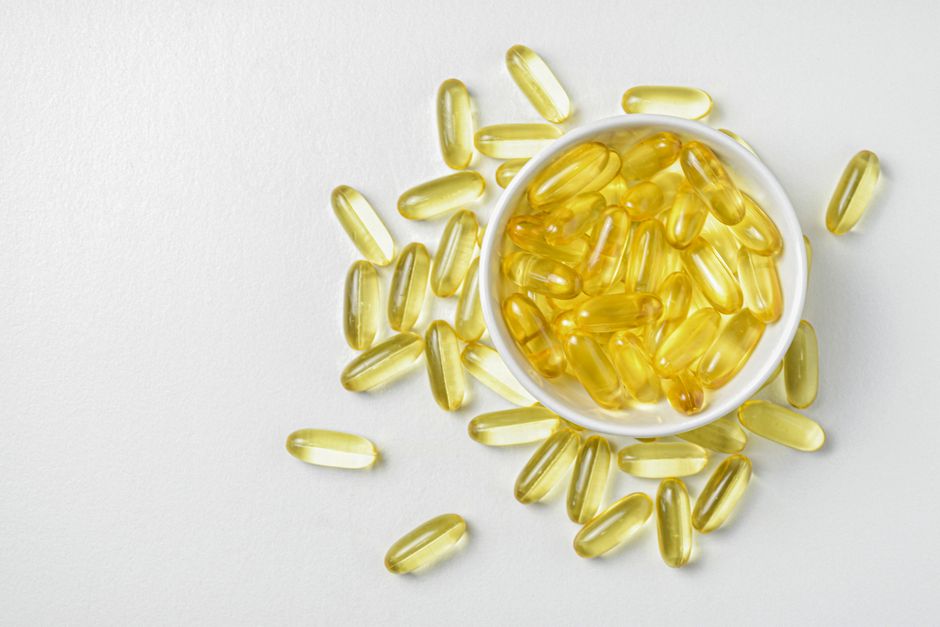
    Vitamin D is a fat-soluble nutrient that behaves more like a hormone than a vitamin. Your skin produces it from sunlight, and it also comes from food and supplements. Once activated by the liver and kidneys, it regulates a wide range of body processes.

    It exists in two forms: vitamin D2 from plants and fortified foods, and vitamin D3, produced in skin and considered more effective for raising blood levels. Being fat-soluble, it is stored in tissue and absorbed best with dietary fat.

    Key Benefits of Vitamin D

    Vitamin D is best known for bone health. It helps the body absorb calcium and phosphorus, keeping bones and teeth strong. Without enough, bones can become thin, brittle, or misshapen, contributing to osteoporosis and rickets.

    Beyond the skeleton, it supports immune function and is linked to better muscle strength, cardiovascular health, and mood regulation. Many people notice low mood in darker winter months, partly connected to reduced sunlight.

    Signs of Vitamin D Deficiency

    Deficiency has become widespread as indoor lifestyles, limited sun, and sunscreen use reduce natural production. The symptoms are often subtle, which is why deficiency frequently goes unnoticed.

    Common warning signs include persistent fatigue, bone pain, and muscle weakness. Mood changes, especially in winter, can also be linked. Frequent illness, slow wound healing, and hair thinning are additional clues—a simple blood test is the only reliable way to confirm status.

    How to Maintain Healthy Levels

    The most natural source is sunlight: around 10 to 30 minutes of midday sun several times a week helps many people, though it varies with skin tone and season. Dietary sources include fatty fish, egg yolks, and fortified foods.

    When sunlight and diet fall short, supplements help close the gap. D3 is generally preferred, with typical maintenance doses of 600 to 2,000 IU per day for adults. Take it with a fat-containing meal, and always confirm dosage with a professional.

    Possible Side Effects and Precautions

    Vitamin D is safe at recommended amounts, but because it is stored in the body, excessive supplementation can lead to toxicity. This usually comes from very high doses over long periods—not from sunlight or food.

    Symptoms of too much include nausea, vomiting, weakness, and a dangerous buildup of calcium that can affect kidneys and heart. People with kidney disease or on certain medications should be careful. Never start a high-dose regimen without medical guidance.

    ⚠️ Caution: Do not take high-dose vitamin D supplements without confirming your blood levels and dosage with a healthcare professional, as excess can accumulate and cause harm.

    Key Takeaways

    • Vitamin D supports bone strength, immune function, muscle health, and mood.
    • Deficiency is common and often shows as fatigue, bone pain, or low mood.
    • Get it from sunlight, fatty fish, egg yolks, and fortified foods.
    • Use D3 supplements when needed, ideally with a fat-containing meal.
    • Avoid excessive doses; confirm the right amount with a professional.

    This article is general information and does not replace professional diagnosis or treatment. Consult a qualified provider if symptoms persist.

  • Niacinamide Benefits: How It Improves Skin Tone and How to Use It

    Niacinamide Benefits: How It Improves Skin Tone and How to Use It

    👉 At a glance: Niacinamide (vitamin B3) is a versatile skincare ingredient that brightens uneven tone, fades dark spots, controls oil, and strengthens the skin barrier. It is gentle and well-tolerated, and works well at 2–5% concentrations for most skin types.

    What Is Niacinamide?

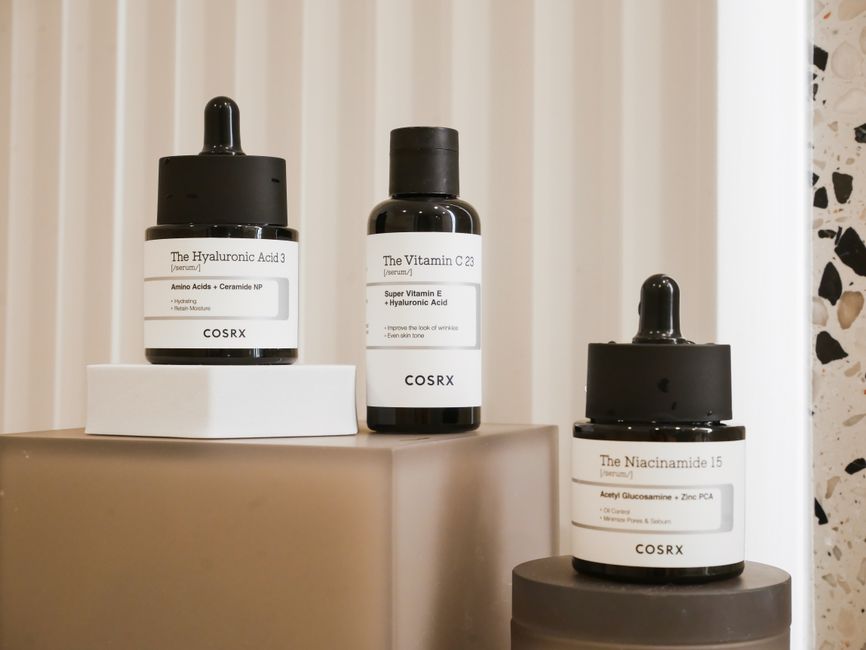
    Niacinamide is a water-soluble form of vitamin B3 used in serums, moisturizers, and toners. Unlike some potent actives, it is stable, gentle, and compatible with most ingredients, making it one of the easiest additions to a routine.

    In the skin, it supports ceramide production, helping skin hold moisture and defend against irritation. It also plays a role in cellular energy and antioxidant defense, giving it broad benefits.

    Because it is so well tolerated, niacinamide suits sensitive, oily, dry, and combination skin alike. This versatility is a big part of why it has become a skincare staple.

    How Niacinamide Improves Skin Tone

    One of its most valued benefits is evening out skin tone. It works by interrupting the transfer of pigment (melanin) to the surface, which helps fade dark spots, post-acne marks, and discoloration over time.

    By reducing redness and blotchiness, niacinamide gives skin a more uniform, luminous look. Regular use over several weeks produces a brighter complexion, though results are gradual rather than instant.

    It pairs well with other brighteners and, unlike some, does not increase sun sensitivity—making it a low-risk way to work toward an even tone.

    Niacinamide also plays well with vitamin C. While older advice warned against combining them, modern stable formulas use both together without issue, letting you stack brightening benefits.

    Other Benefits of Niacinamide

    Niacinamide helps regulate oil (sebum) production, reducing shine and minimizing the look of enlarged pores. This makes it especially popular with oily and acne-prone skin.

    It also strengthens the skin barrier by boosting ceramides, improving hydration and resilience. Research suggests it can soften fine lines and support irritation-prone skin, making it a genuine multitasker.

    How to Use Niacinamide

    Most effective products use niacinamide at 2% to 5%. Higher percentages are not necessarily better and can cause irritation, so there is no need to chase the highest number.

    Apply after cleansing and toning, before heavier creams; a morning serum pairs nicely with sunscreen. It can be used once or twice daily. Introduce it gradually if reactive, and give it four to eight weeks to improve tone.

    Consistency matters more than concentration. A moderate-strength product used every day will almost always outperform occasional use of a stronger one, since skin responds to steady, repeated exposure.

    Possible Side Effects and Precautions

    Niacinamide is one of the best-tolerated actives, but a few people experience mild flushing, tingling, or irritation, usually at higher concentrations. Starting with a lower percentage and building up helps avoid this.

    As with any new product, patch-test first, especially with sensitive skin. If you notice persistent redness or discomfort, reduce frequency or concentration, and consult a dermatologist for personalized guidance.

    ⚠️ Caution: Although niacinamide is gentle, patch-test new products and reduce concentration or frequency if you notice flushing or irritation, especially with higher-strength formulas.

    Key Takeaways

    • Niacinamide is vitamin B3, a gentle and versatile skincare active.
    • It evens skin tone by reducing pigment transfer and fading dark spots.
    • It also controls oil, minimizes pores, and strengthens the barrier.
    • Use 2–5% concentrations once or twice daily; results take weeks.
    • Patch-test and scale back if you notice flushing or irritation.

    This article is general information and does not replace professional diagnosis or treatment. Consult a qualified provider if symptoms persist.
  • Skincare for Women in Their 40s: Essential Products and Anti-Aging Tips

    Skincare for Women in Their 40s: Essential Products and Anti-Aging Tips

    👉 At a glance: Skincare in your 40s should focus on hydration, firmness, and gentle renewal. Key products include a hydrating serum, retinol, vitamin C, a rich moisturizer, and daily sunscreen to address fine lines, dryness, and loss of elasticity.

    How Skin Changes in Your 40s

    In your 40s, collagen and elastin production slows, oil glands become less active, and cell turnover decreases. The result is skin that is drier, less firm, and more prone to fine lines than a decade earlier.

    Hormonal shifts, especially as menopause approaches, can accelerate these changes, leading to more dryness and loss of plumpness. Accumulated sun damage also becomes more visible as dark spots and texture changes.

    The good news: a focused, consistent routine can meaningfully improve how skin looks. The goal shifts from simply cleansing to actively supporting hydration, firmness, and renewal.

    Essential Products for Firm, Hydrated Skin

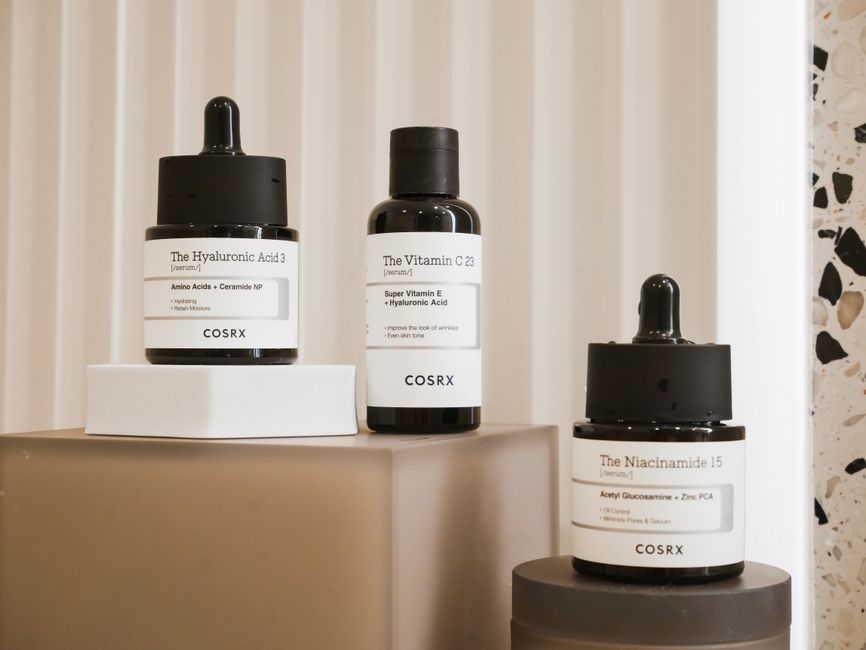
    A hydrating serum with hyaluronic acid draws water into the skin and counters dryness. Layered under a moisturizer, it plumps the skin and softens fine lines.

    A vitamin C serum provides antioxidant protection and supports brightness and collagen, fading dark spots. A richer moisturizer with ceramides, peptides, or niacinamide reinforces the barrier and locks in hydration.

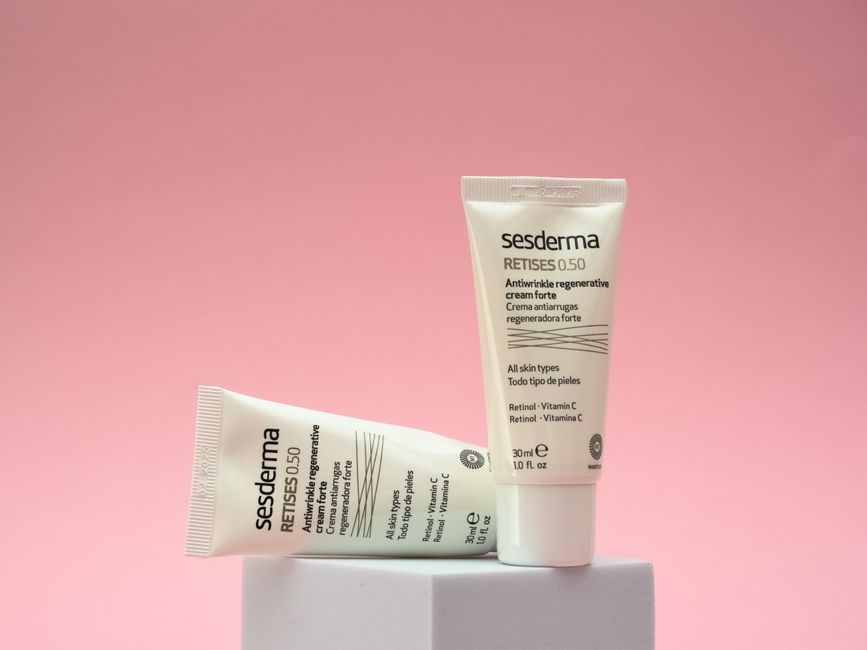
    Retinol is the standout anti-aging active, encouraging cell turnover and collagen to smooth texture and soften wrinkles over time. Introduced carefully, it is one of the most evidence-backed choices.

    Eye care deserves attention too, since skin around the eyes often shows aging first. A dedicated eye cream with peptides or caffeine can address puffiness and fine lines.

    Building an Age-Appropriate Routine

    A simple routine: cleanser, vitamin C, and moisturizer with sunscreen in the morning; cleanser, hydrating serum, retinol, and a nourishing moisturizer at night. Simplicity you can maintain beats an elaborate routine you abandon.

    Sunscreen is non-negotiable—the single most powerful anti-aging step, preventing collagen breakdown and dark spots. Apply broad-spectrum SPF 30 or higher every morning, even indoors near windows.

    How to Introduce Anti-Aging Actives

    Start retinol slowly—once or twice a week—and increase as skin adjusts, always pairing it with moisturizer to limit dryness. Use it at night, since it can increase sun sensitivity.

    Avoid piling on many strong actives at once, which can overwhelm mature skin and damage the barrier. Give each product several weeks to work, and remember hydration and sun protection are the foundation.

    Lifestyle supports skincare from the inside out: adequate sleep, hydration, antioxidant-rich diet, and stress management all influence how skin ages. No cream fully compensates for chronic poor sleep or heavy sun exposure.

    Possible Side Effects and Precautions

    Actives like retinol and acids can cause dryness, redness, or peeling, especially at first. Easing in gradually and moisturizing well usually resolves this. Mature, drier skin may be more sensitive, so gentler formulations often fit better.

    If pregnant or breastfeeding, avoid retinoids and confirm safe alternatives with a professional. Persistent irritation, new or changing moles, or concerns that do not improve deserve a dermatologist’s input.

    ⚠️ Caution: Introduce retinol and acids gradually to avoid irritating drier, more sensitive mature skin, and consult a professional before using retinoids if pregnant or breastfeeding.

    Key Takeaways

    • Skin in your 40s becomes drier and less firm as collagen declines.
    • Prioritize hydration, antioxidants, retinol, and rich moisturizers.
    • Daily broad-spectrum sunscreen is the top anti-aging step.
    • Introduce retinol slowly and keep the routine simple and consistent.
    • Ease in actives gently and see a dermatologist for persistent concerns.

    This article is general information and does not replace professional diagnosis or treatment. Consult a qualified provider if symptoms persist.
  • The Truth About Niacinamide: How It Boosts Skin Tone Effectively

    The Truth About Niacinamide: How It Boosts Skin Tone Effectively

    👉 At a glance: Niacinamide is often hyped, but the evidence genuinely supports it for brightening, oil control, and barrier repair. Understanding how it works, realistic timelines, and the right concentration helps you use it effectively and avoid common myths.

    What Is Niacinamide and What Does the Science Say?

    Niacinamide, a form of vitamin B3, is one of the few skincare ingredients backed by a solid body of research. Studies support its ability to improve uneven tone, reduce pores, and strengthen the moisture barrier.

    Its popularity is not just marketing. Because it is water-soluble, stable, and gentle, it delivers reliable results across many skin types without the irritation that limits stronger actives.

    Separating fact from hype matters: niacinamide is effective, but it is not a miracle worker. Setting realistic expectations helps you appreciate its steady, cumulative benefits rather than expecting overnight change.

    How It Boosts Skin Tone Effectively

    Niacinamide brightens by limiting the transfer of melanin to surface cells, gradually fading dark spots, post-inflammatory marks, and dullness. Over weeks of use, skin looks clearer and more even.

    It also calms redness and supports a healthier barrier. Unlike some brighteners, it does not thin the skin or increase sun sensitivity, making it a safe long-term choice.

    For best tone results, pair niacinamide with daily sunscreen—sun exposure is the main driver of new pigmentation, so protection prevents you from undoing progress.

    It helps to look at where niacinamide sits in a product. In a lightweight serum it can be the star active; in a moisturizer it plays a supporting role. A dedicated serum gives more control over concentration and timing.

    Choosing the Right Concentration

    Research suggests 2% to 5% is effective for most people. Some products advertise 10% or more, but higher percentages offer diminishing returns and greater irritation risk, so they are not automatically better.

    If you are new to niacinamide or have sensitive skin, start at the lower end. A well-formulated 5% serum is a sensible sweet spot for visible brightening without flushing or discomfort.

    How to Fit It Into Your Routine

    Apply niacinamide after cleansing and toning, before richer creams. It layers well with hyaluronic acid, retinol, and modern vitamin C, so it slots easily into an existing routine.

    Use it once or twice daily and be patient—visible tone improvements usually take four to eight weeks. Consistency is the real secret; it works through steady, repeated use.

    A common myth is that niacinamide cannot be combined with vitamin C. This came from older, unstable formulations; today’s stabilized products let you use both for complementary brightening.

    Possible Side Effects and Precautions

    Niacinamide is well tolerated, but higher concentrations can cause temporary flushing, tingling, or mild irritation in sensitive individuals. Dropping to a lower percentage usually resolves this quickly.

    Patch-test new products, especially if your skin reacts easily, and introduce niacinamide gradually. If irritation persists or you have a specific condition, consult a dermatologist for tailored advice.

    ⚠️ Caution: Higher niacinamide concentrations are not necessarily better and can trigger flushing—start low, patch-test, and scale back if your skin becomes irritated.

    Key Takeaways

    • Niacinamide is a well-researched, reliable brightening ingredient.
    • It fades dark spots and evens tone without increasing sun sensitivity.
    • Concentrations of 2–5% are effective for most people.
    • Pair it with sunscreen and use consistently for four to eight weeks.
    • Start low, patch-test, and see a dermatologist for persistent irritation.

    This article is general information and does not replace professional diagnosis or treatment. Consult a qualified provider if symptoms persist.

  • Retinol Cream: Effects, Usage, and a One-Month Review

    Retinol Cream: Effects, Usage, and a One-Month Review

    👉 At a glance: Retinol cream is a vitamin A derivative that smooths texture, softens fine lines, and evens tone by boosting cell turnover. Over one month of gradual use, most people see early improvements—alongside a possible adjustment period of dryness or peeling.

    What Is Retinol Cream?

    Retinol is a form of vitamin A and one of the most researched anti-aging ingredients. In cream form, the skin converts it into retinoic acid, which speeds up cell turnover and boosts collagen.

    This makes retinol effective for smoothing texture, softening fine lines, fading dark spots, and refining pores. Its benefits are well documented, which is why dermatologists frequently recommend it.

    Retinol comes in various strengths, from gentle 0.2% formulas for beginners to stronger 1% products. Choosing the right strength for your experience level is key to results without excessive irritation.

    What to Expect in the First Month

    The first few weeks are an adjustment period. As skin adapts to faster turnover, it is common to experience mild dryness, flaking, or slight redness—the retinol “purge.” This usually settles as skin acclimates.

    By the end of a month, many notice smoother texture, a subtle glow, and softer fine lines. Deeper changes in wrinkles and pigmentation take three to six months, so patience is essential.

    Keeping a simple before-and-after photo helps track gradual progress that is easy to miss day to day.

    Storage matters: retinol is sensitive to light and air, so keep the cream in a cool, dark place with the lid tight. Opaque, air-tight packaging stays effective longer than clear jars.

    How to Use Retinol Cream Correctly

    Start slowly: apply a pea-sized amount to dry skin at night, just two or three times a week, then gradually increase. Use it at night because retinol degrades in sunlight and increases sun sensitivity.

    Always follow with a moisturizer to buffer dryness—or use the “sandwich” method if sensitive. Daily sunscreen is essential while using retinol, to protect results and prevent pigmentation.

    Tips to Minimize Irritation

    Ease in gradually rather than nightly from the start—the single best way to avoid a harsh adjustment. Pair it with gentle, hydrating products and skip other strong actives like acids while adapting.

    If irritation flares, take a few days off and resume at a lower frequency. Avoid retinol on broken or sunburned skin, and be cautious around the eyes. Slow and steady outperforms an aggressive start.

    Set realistic goals: retinol refines skin gradually but will not erase deep wrinkles or replace professional treatments. Viewing it as a long-term investment leads to more satisfaction.

    Possible Side Effects and Precautions

    Common side effects include dryness, peeling, redness, and temporary sensitivity, especially early on. These improve with time, moisturizer, and reduced frequency. Severe or persistent irritation is a sign to scale back.

    Pregnant or breastfeeding individuals should avoid retinol and use pregnancy-safe alternatives. For very sensitive skin or a condition, consult a dermatologist for the right strength or a gentler retinoid.

    ⚠️ Caution: Retinol increases sun sensitivity and is not recommended during pregnancy or breastfeeding—use it at night with daily sunscreen and choose safe alternatives if pregnant.

    Key Takeaways

    • Retinol is a vitamin A derivative that boosts cell turnover and collagen.
    • Expect an adjustment period of dryness or peeling in the first weeks.
    • Early smoothing appears within a month; deeper changes take months.
    • Start 2–3 nights weekly, moisturize, and always use sunscreen.
    • Avoid during pregnancy and see a dermatologist for sensitive skin.

    This article is general information and does not replace professional diagnosis or treatment. Consult a qualified provider if symptoms persist.

  • Immune-Boosting Supplements: Key Nutrients and Smart Tips

    Immune-Boosting Supplements: Key Nutrients and Smart Tips

    👉 At a glance: Supporting immunity involves key nutrients like vitamin C, vitamin D, zinc, and probiotics, combined with good sleep, nutrition, and exercise. Supplements help fill gaps but work best as part of a healthy lifestyle, not a replacement for one.

    How Immunity Works and What Supports It

    The immune system is a complex network that defends the body against viruses and bacteria. It relies on a steady supply of nutrients, which is why diet and lifestyle strongly influence immune resilience.

    No single supplement “boosts” immunity on its own; correcting nutrient shortfalls and supporting overall health lets the immune system perform best—especially during seasonal changes and colder months.

    The foundation is always lifestyle—sleep, nutrition, movement, and stress management—with supplements filling specific gaps where diet falls short.

    Key Nutrients for Immune Support

    Vitamin C is an antioxidant supporting immune cells, found in citrus, peppers, and berries. Vitamin D plays a crucial regulatory role, and because deficiency is common, it is one of the most worthwhile supplements, especially in winter.

    Zinc supports immune cell development and can shorten the duration of colds when taken early. Probiotics support gut health, where much immune activity takes place. Other helpers include vitamin A, selenium, and B6.

    Rather than taking everything at once, target the nutrients you are most likely to be low in—often vitamin D—and get the rest from a varied diet.

    Sleep deserves special mention because it is where much immune repair happens. Consistently getting seven to nine hours does more for your defenses than most supplements, and skimping undermines even a perfect diet.

    Food-First Strategies

    Whole foods deliver immune-supporting nutrients alongside fiber. A colorful plate of vegetables and fruit provides vitamins C and A and antioxidants, while lean protein supplies building blocks for immune cells.

    Fermented foods like yogurt, kefir, and kimchi support gut health, and nuts, seeds, and grains add zinc and selenium. Staying hydrated and limiting excess sugar and alcohol also helps.

    How to Use Supplements Wisely

    Follow label dosages and avoid megadoses, which can be counterproductive or harmful. Take fat-soluble vitamins like D with a fatty meal, and consider testing your vitamin D level to guide dosing.

    Consistency matters more than intensity—steady daily support beats occasional high doses at the first sniffle. Think of supplements as insurance for dietary gaps, not a shortcut around healthy habits.

    Quality varies widely between brands. Choosing supplements with third-party testing or reputable certifications helps ensure you get the labeled dose without contaminants or fillers.

    Possible Side Effects and Precautions

    Excess intake causes problems: too much vitamin C upsets the stomach, high-dose zinc interferes with copper, and fat-soluble vitamins A and D can accumulate to harmful levels. More is not better.

    Supplements can interact with medications. If pregnant, taking prescription drugs, or managing a condition, consult a healthcare provider first. Persistent illness or fatigue should be evaluated by a doctor.

    ⚠️ Caution: Avoid megadoses—excess zinc, vitamin C, or fat-soluble vitamins can cause harm—and consult a provider before supplementing if pregnant, medicated, or managing a condition.

    Key Takeaways

    • Immunity depends on overall health, not any single supplement.
    • Vitamin C, vitamin D, zinc, and probiotics are key supportive nutrients.
    • Prioritize whole foods, sleep, exercise, and stress management first.
    • Target likely deficiencies (often vitamin D) and use steady doses.
    • Avoid megadoses and check with a provider about interactions.

    This article is general information and does not replace professional diagnosis or treatment. Consult a qualified provider if symptoms persist.
  • Collagen for Skin Elasticity: Benefits, Dosage, and How It Works

    Collagen for Skin Elasticity: Benefits, Dosage, and How It Works

    👉 At a glance: Collagen supplements aim to support skin elasticity, hydration, and firmness as natural collagen declines with age. Hydrolyzed collagen peptides are the most absorbable form, and results typically appear after two to three months of consistent daily use.

    What Is Collagen and Why It Matters for Skin

    Collagen is the most abundant protein in the body and the main structural component of skin, giving it strength, firmness, and elasticity. It forms a supportive scaffold that keeps skin plump and resilient.

    From around our mid-20s, natural collagen production gradually declines, and the loss accelerates with age and sun exposure. This contributes to fine lines, sagging, and reduced skin bounce.

    Because of this, collagen supplements have become popular for supporting skin elasticity from the inside, complementing topical skincare that mainly works on the surface.

    How Collagen Supplements Support Elasticity

    Most supplements use hydrolyzed collagen (collagen peptides)—collagen broken into small fragments the body absorbs more easily. Once absorbed, these amino acids provide raw material and may signal the skin to support its own collagen.

    Research on collagen peptides suggests benefits for skin hydration and elasticity with consistent use. While not a miracle cure, the evidence for improved moisture and suppleness is more promising than for many supplements.

    Products often add vitamin C, essential for the body’s own collagen synthesis, along with hyaluronic acid or biotin to support skin and hair.

    How to Take Collagen Effectively

    Typical doses range from about 2.5 to 10 grams of collagen peptides per day. Powders mix into water, coffee, or smoothies, while capsules offer convenience. Consistency is more important than the exact time of day.

    Give it time: most studies show visible improvements after 8 to 12 weeks of daily use. Pairing collagen with a vitamin C source and protein-adequate diet supports your body’s own production.

    Know about collagen “types”: Type I and III are most associated with skin, while type II relates to joints. Skin-focused supplements emphasize types I and III, so checking the label helps you match the product to your goal.

    Supporting Collagen Naturally

    Supplements work best alongside habits that protect existing collagen. Daily sunscreen is essential, since UV is a leading cause of collagen breakdown. A diet rich in protein, vitamin C, and antioxidants gives the body what it needs.

    Avoiding smoking and excess sugar also helps, as both damage collagen over time. Adequate sleep and hydration round out a lifestyle that keeps skin firm from within.

    Marine collagen is marketed for smaller, well-absorbed peptides, while bovine collagen is common and cost-effective. Neither is dramatically superior—choose based on dietary preferences, allergies, and product quality.

    Possible Side Effects and Precautions

    Collagen supplements are generally safe and well tolerated. Some experience mild fullness or bloating, and those with allergies should check the source, as collagen often comes from fish, bovine, or porcine sources.

    Quality varies, so choose reputable brands with clear sourcing and testing. If pregnant, breastfeeding, or managing a condition, consult a healthcare provider first. Supplements complement—not replace—a balanced diet and sun protection.

    ⚠️ Caution: Check the collagen source if you have fish or animal-product allergies, and consult a provider before use if pregnant, breastfeeding, or managing a health condition.

    Key Takeaways

    • Collagen gives skin its firmness and elasticity, and declines with age.
    • Hydrolyzed collagen peptides are the most absorbable form.
    • Evidence supports improved skin hydration and elasticity with daily use.
    • Take 2.5–10 g daily and allow 8–12 weeks for visible results.
    • Protect collagen with sunscreen, vitamin C, and a protein-rich diet.

    This article is general information and does not replace professional diagnosis or treatment. Consult a qualified provider if symptoms persist.

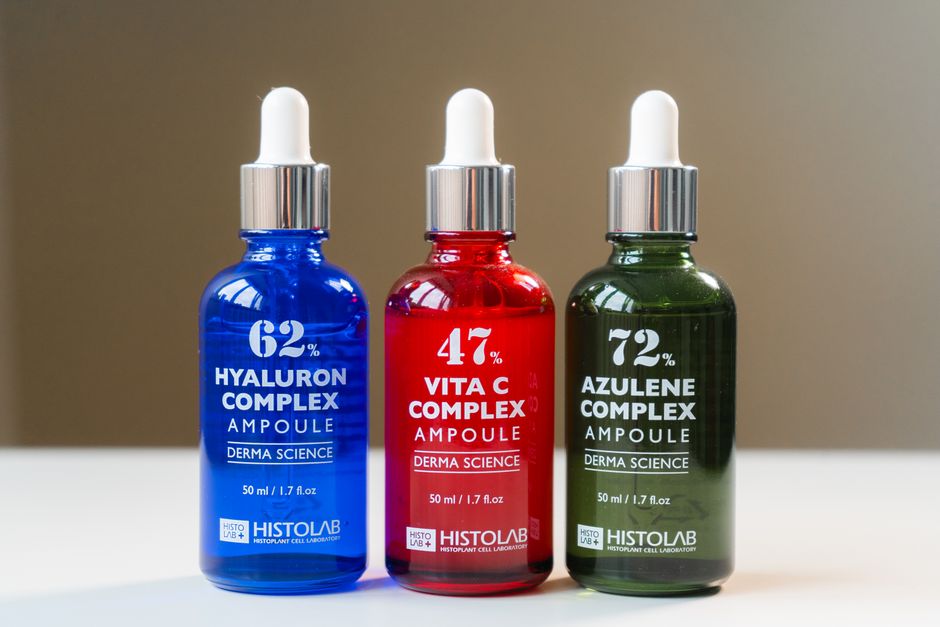
  • Serum vs Ampoule: Key Differences and How to Use Them

    Serum vs Ampoule: Key Differences and How to Use Them

    👉 At a glance: Serums and ampoules are both concentrated skincare treatments, but ampoules are typically stronger, short-term boosters while serums suit daily use. Knowing the difference—and where each fits—helps you target concerns effectively.

    What Are Serums and Ampoules?

    Serums are lightweight, concentrated products designed to deliver active ingredients deep into the skin. They sit between toner and moisturizer and target concerns like dryness, dullness, or fine lines.

    Ampoules are similar but usually more concentrated, often positioned as intensive boosters for short-term use—a stronger dose for when skin needs extra help. Ampoules generally pack a higher concentration of actives.

    Both are more potent than moisturizers and meant to treat rather than simply hydrate the surface, which is why they are central to modern, results-focused skincare.

    Key Differences Between Serum and Ampoule

    The main difference is concentration and intended use. Serums are for regular everyday application and target nearly every concern. Ampoules tend to be more concentrated and used as a temporary boost during stressed or dull periods.

    In texture, serums are light and fluid for daily layering, while ampoules can be richer or come in single-use vials. Ampoules are often used as a short intensive course—over a week or two—then paused.

    Neither is universally “better.” The right choice depends on your skin’s needs and how intensive a treatment you want.

    Budget plays a role too: serums offer better value for everyday use, while single-use ampoule vials can be pricier per application. Matching format to how often you will use it prevents waste.

    Which One Should You Choose?

    For consistent, long-term care—daily hydration, brightening, or antioxidant protection—a serum is usually the practical choice. It fits seamlessly into morning and evening routines.

    For a targeted boost—before an event, during seasonal dryness, or when skin looks tired—an ampoule provides a stronger push. Many use serums daily and reach for an ampoule when they want extra intensity.

    How to Use Them in Your Routine

    Apply after cleansing and toning, onto slightly damp skin, before moisturizer. Use a few drops, press gently rather than rubbing, and let it absorb. In the morning, always finish with sunscreen.

    Layer thinnest to thickest, and introduce only one new active at a time so you can tell what works. If using an ampoule as a course, follow the product’s guidance on duration, then return to your regular serum.

    Storage affects potency. Actives like vitamin C degrade with light and air, so dark or airless packaging lasts longer. Single-use ampoules seal a fresh dose each time, part of their appeal.

    Possible Side Effects and Precautions

    Because they are concentrated, they can occasionally cause irritation, especially formulas with acids, retinol, or high-percentage vitamin C. Patch-test new products and start slowly if sensitive.

    Avoid layering too many potent actives, which can overwhelm the barrier and cause redness or breakouts. If irritation persists, simplify your routine, and consult a dermatologist for ongoing concerns.

    ⚠️ Caution: Concentrated serums and ampoules can irritate sensitive skin—patch-test, introduce one active at a time, and avoid layering too many strong ingredients at once.

    Key Takeaways

    • Both are concentrated treatments applied after toner, before moisturizer.
    • Ampoules are stronger, short-term boosters; serums suit daily use.
    • Choose serums for ongoing care and ampoules for targeted boosts.
    • Apply to damp skin, layer thin to thick, and finish with sunscreen.
    • Patch-test and avoid overloading skin with multiple strong actives.

    This article is general information and does not replace professional diagnosis or treatment. Consult a qualified provider if symptoms persist.

  • How to Relieve Abdominal Gas and Bloating for a Healthy Gut

    How to Relieve Abdominal Gas and Bloating for a Healthy Gut

    👉 At a glance: Excess abdominal gas and bloating usually come from diet, swallowed air, or gut imbalance. You can reduce it by eating slowly, identifying trigger foods, supporting gut bacteria, and staying active—while watching for signs that warrant a doctor’s visit.

    What Causes Abdominal Gas and Bloating?

    Some gas is completely normal, produced as gut bacteria ferment food. Problems arise when gas builds up faster than it can be released, causing bloating, pressure, and discomfort.

    Common causes include swallowing air, carbonated drinks, and heavily fermenting foods—beans, cruciferous vegetables, onions, and dairy for the lactose intolerant. An imbalance in gut bacteria can also increase gas.

    Identifying your personal triggers is the first step, since culprits vary widely. A food and symptom diary can reveal patterns that are otherwise hard to spot.

    Dietary Changes That Reduce Gas

    Eating slowly and chewing thoroughly reduces swallowed air and eases digestion. Cutting back on carbonated drinks and chewing gum also limits swallowed air.

    If foods trigger you, reduce and reintroduce gradually rather than eliminating whole groups. A temporary low-FODMAP approach can identify triggers, ideally with a dietitian’s guidance.

    Increase fiber gradually rather than suddenly, since a rapid jump can worsen gas while your gut adjusts. Staying well hydrated helps fiber do its job smoothly.

    Lactose and certain sweeteners are frequent hidden triggers. Sugar alcohols like sorbitol and xylitol in sugar-free gum and candy are notorious for causing gas—checking labels spares discomfort.

    Supporting a Healthy Gut

    A balanced gut microbiome produces less excess gas. Fermented foods like yogurt, kefir, and kimchi introduce beneficial bacteria, while a variety of plant foods feeds them and supports diversity.

    Probiotic supplements help some people with bloating, though effects are strain-specific. Regular meals, hydration, and limiting excess sugar and ultra-processed foods contribute to a calmer digestive system.

    Some find relief from peppermint or ginger teas after meals. While not a cure, these gentle options can complement dietary changes and are easy to try at home.

    Lifestyle Habits for Comfort

    Physical activity encourages gas to move through the tract, so a short walk after meals can ease bloating. Gentle movement and certain stretches help release trapped gas.

    Managing stress matters too, since the gut and brain are closely linked. Eating in a relaxed setting, on a regular schedule, and avoiding large late-night meals all support smoother digestion.

    Keeping a symptom diary is genuinely useful: recording what you eat and when symptoms appear helps you and a doctor pinpoint patterns and rule out intolerances faster.

    When to See a Doctor

    Occasional gas is normal, but persistent or severe symptoms deserve attention. See a doctor if bloating is constant, worsening, or accompanied by weight loss, blood in the stool, severe pain, or vomiting.

    These could signal IBS, food intolerances, or other digestive disorders that benefit from proper diagnosis. Self-managing mild gas is reasonable, but do not ignore red-flag symptoms.

    ⚠️ Caution: Persistent or severe bloating with weight loss, blood in the stool, severe pain, or vomiting needs medical evaluation—do not dismiss these as ordinary gas.

    Key Takeaways

    • Gas and bloating stem from diet, swallowed air, and gut imbalance.
    • Eat slowly, limit carbonated drinks, and identify trigger foods.
    • Support gut bacteria with fermented foods and varied plant foods.
    • Stay active and manage stress to ease digestive discomfort.
    • See a doctor for persistent, severe, or red-flag symptoms.

    This article is general information and does not replace professional diagnosis or treatment. Consult a qualified provider if symptoms persist.