Author: KC

  • Custom Care Techniques for Papular Acne: An In-Depth Exploration

    Custom Care Techniques for Papular Acne: An In-Depth Exploration

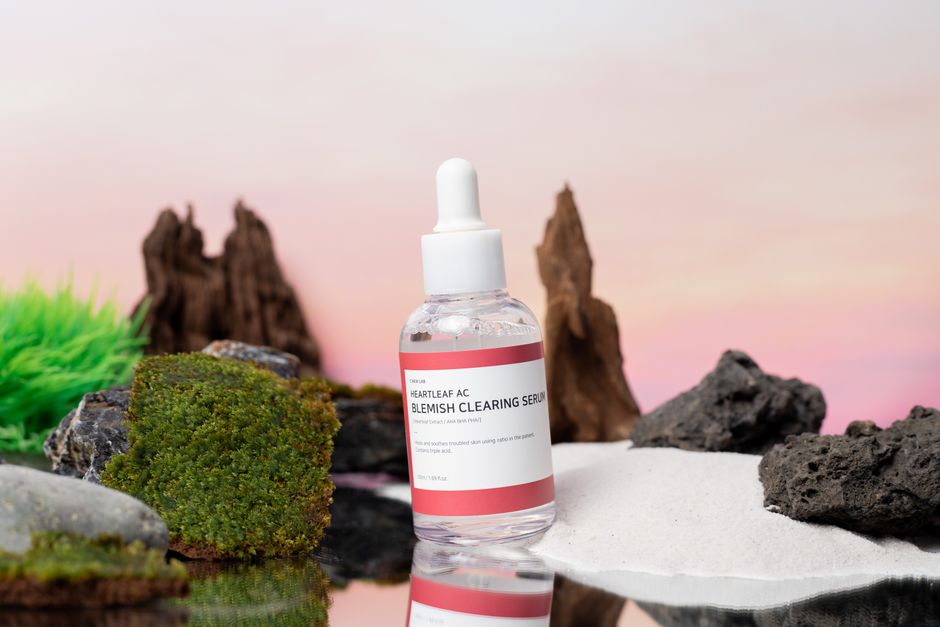
    제품 이미지

    👉 At a glance: This article provides an in-depth look at managing papular acne, explores its causes, and offers home care tips for clear skin.

    Understanding Papular Acne

    Papular acne is characterized by red, firm bumps on the skin, often caused by clogged pores and inflammation. Unlike pustular acne, these do not contain pus, making them harder to treat but equally important in a skincare routine.

    Effective Management Strategies

    Managing papular acne involves reducing inflammation and using non-comedogenic skincare products. Look for ingredients like salicylic acid and niacinamide, which help unclog pores and soothe irritation.

    Root Causes of Papular Acne

    The main causes of papular acne include hormonal changes, stress, and certain skincare products that clog pores. Identifying and minimizing these triggers can significantly improve skin condition.

    Home Remedies and Skincare Tips

    In addition to professional treatments, home remedies can be effective. Use gentle cleansers twice daily and incorporate products with tea tree oil for its natural antibacterial properties. Avoid scrubbing too harshly to prevent further irritation.

    The Role of Diet in Acne Management

    Diet can play a role in acne flare-ups. Reducing dairy and high-glycemic foods may help manage acne more effectively. Include more fruits and vegetables in your diet to support overall skin health.

    When to Consult a Dermatologist

    If home treatments do not lead to improvement, consult a dermatologist for personalized care. They can offer prescriptions that target papular acne more aggressively, ensuring more effective results.

    ⚠️ Caution: Overuse of acne treatments can lead to irritation and worsen conditions. Monitor skin reactions closely.

    Key Takeaways

    • Identify and minimize triggers such as hormonal changes and stress.
    • Use non-comedogenic products with ingredients like niacinamide.
    • Incorporate gentle home remedies like tea tree oil.
    • Consult a dermatologist for persistent acne issues.

    This article is general information. Patch-test new skincare and consult a dermatologist for persistent skin concerns.

  • Cat Health Tips for New Owners: Nutrition, Vet Care, and Warning Signs

    Cat Health Tips for New Owners: Nutrition, Vet Care, and Warning Signs

    👉 At a glance: New cat owners can keep their pet healthy by focusing on good nutrition, regular vet care, hydration, litter box hygiene, and mental stimulation. Watching for early warning signs helps you catch problems before they become serious.

    Essential Nutrition for a Healthy Cat

    Cats are obligate carnivores, meaning they need a diet built around animal protein. Choose a high-quality food suited to your cat’s life stage—kitten, adult, or senior—and follow portion guidance to prevent obesity, one of the most common feline health problems.

    Wet food helps with hydration, while dry food is convenient and can support dental health. Avoid toxic human foods such as onions, garlic, chocolate, grapes, and anything with xylitol, and provide fresh water at all times.

    Sudden diet changes can upset a cat’s stomach, so transition gradually over about a week. If your cat has specific needs, such as urinary or weight issues, your vet can recommend a therapeutic diet.

    Regular Veterinary Care and Vaccinations

    Routine vet visits are the foundation of preventive care. Kittens need core vaccinations and deworming, while adult cats benefit from at least an annual checkup to catch problems early. Spaying or neutering has important health and behavioral benefits.

    Keep up with parasite prevention for fleas, ticks, and worms, and consider microchipping. Because cats instinctively hide illness, regular exams often reveal issues—like dental disease or kidney changes—long before obvious symptoms appear.

    Hydration, Grooming, and Litter Box Care

    Many cats do not drink enough water, which can contribute to urinary and kidney issues. Encourage hydration with multiple water bowls, a pet fountain, and wet food. Fresh, clean water should always be available.

    Grooming supports skin and coat health; brushing reduces hairballs and lets you spot lumps or parasites. Keep the litter box clean—scoop daily and provide one box per cat plus one extra—since changes in litter habits are often the first sign of illness.

    Mental Stimulation and a Safe Home

    A bored cat can become stressed or destructive, so provide scratching posts, toys, climbing spaces, and daily play. Interactive play mimics hunting and keeps cats fit—especially important for indoor cats.

    Make your home cat-safe by securing toxic plants, medications, and cleaning products. A calm, enriched environment with hiding spots and vertical space helps cats feel secure and reduces stress-related health problems.

    Building a bond of trust also pays off medically. A cat used to gentle handling and carriers will be far less stressed during vet visits. Start these habits early, especially with kittens, and reward calm behavior with treats and praise.

    Keeping a simple record of your cat’s weight, appetite, and behavior makes it easier to notice trends. Even a monthly note helps you and your vet spot gradual changes that are hard to see day to day.

    Warning Signs to Watch For

    Because cats hide discomfort, subtle changes matter. Watch for reduced appetite, weight loss, increased thirst, vomiting, diarrhea, lethargy, or hiding. Any of these lasting more than a day or two warrants attention.

    Difficulty urinating—especially in male cats—is a medical emergency and needs immediate veterinary care. When in doubt, contact your vet; catching problems early leads to better outcomes and lower costs than waiting.

    ⚠️ Caution: Straining to urinate, sudden lethargy, repeated vomiting, or refusal to eat can signal serious illness—contact your veterinarian promptly, as some feline emergencies escalate quickly.

    Key Takeaways

    • Feed a high-quality, protein-rich diet suited to your cat’s life stage.
    • Schedule regular vet checkups, vaccinations, and parasite prevention.
    • Encourage hydration and keep the litter box clean.
    • Provide play, scratching, and a safe, enriched environment.
    • Watch for subtle changes and seek vet care for urinary problems fast.

    This article is general information and does not replace professional diagnosis or treatment. Consult a qualified provider if symptoms persist.

  • Liver Health Supplements for Fatigue: Best Ingredients and How They Work

    Liver Health Supplements for Fatigue: Best Ingredients and How They Work

    👉 At a glance: Liver health supplements like milk thistle, artichoke, and B vitamins are used to support liver function and ease fatigue tied to sluggish detoxification. They work best alongside good sleep, hydration, and a liver-friendly diet—not as a substitute for them.

    How the Liver Affects Your Energy

    The liver is a metabolic powerhouse: it processes nutrients, stores energy as glycogen, and filters toxins from the blood. When it is overworked, many people report persistent tiredness and low energy.

    Fatigue linked to liver strain often comes from the organ’s heavy workload in detoxification and metabolism. Supporting the liver can be one piece of the puzzle for unexplained daily tiredness, alongside addressing sleep and stress.

    Note that fatigue has many causes—from anemia and thyroid issues to poor sleep—so liver support is not a universal fix. If tiredness is severe or ongoing, medical evaluation should come first.

    Key Liver-Support Ingredients

    Milk thistle (silymarin) is the best-known liver supplement, valued for antioxidant properties that may help protect liver cells. It is the ingredient most people reach for when supporting liver health.

    Other popular options include artichoke extract for bile flow, dandelion root as a gentle tonic, and turmeric (curcumin) for anti-inflammatory effects. NAC supports glutathione, a key antioxidant the liver relies on.

    B vitamins, especially B12 and folate, play a direct role in energy metabolism, which is why they appear in fatigue-focused formulas. Match ingredients to your goals rather than assuming more is always better.

    How to Take Liver Supplements

    Follow the dosage on the label, as concentrations of active compounds like silymarin vary between brands. Many liver supplements are taken with meals to aid absorption and reduce stomach upset.

    Consistency over several weeks is usually needed before any benefit shows. Combine supplements with habits that genuinely help: limiting alcohol, staying hydrated, eating vegetables and protein, and getting regular sleep and exercise.

    Lifestyle Habits That Support Liver Health

    No supplement outperforms basic liver-friendly living. Reducing alcohol and processed foods, maintaining a healthy weight, and eating vegetables, fiber, and quality protein give the liver the best environment to function well.

    Staying hydrated supports natural filtering, and regular movement helps prevent fat buildup in the liver. Managing stress and prioritizing sleep also matter—often more than any capsule.

    Possible Side Effects and Precautions

    Liver supplements are generally well tolerated, but some people experience mild digestive upset, bloating, or allergic reactions—milk thistle is related to ragweed, so allergy sufferers should be cautious.

    Crucially, some supplements interact with medications because the liver metabolizes many drugs. If you take prescription medication, have a liver condition, or are pregnant or breastfeeding, consult a healthcare provider first. Yellowing skin or abdominal pain should be evaluated by a doctor.

    ⚠️ Caution: Persistent fatigue, yellowing of the skin or eyes, or abdominal pain needs medical evaluation, not self-treatment; check with a provider before combining liver supplements with medications.

    Keeping a simple note of your energy and any changes after starting a supplement helps you and your doctor judge whether it is genuinely making a difference over time.

    Key Takeaways

    • Liver strain can contribute to ongoing fatigue and low energy.
    • Milk thistle, artichoke, turmeric, NAC, and B vitamins are common supports.
    • Take supplements consistently and with meals per the label.
    • Diet, hydration, sleep, and limiting alcohol matter more than any pill.
    • Consult a provider if on medication or if fatigue is severe.

    This article is general information and does not replace professional diagnosis or treatment. Consult a qualified provider if symptoms persist.

  • How to Choose Liver Health Supplements for Fatigue Relief

    How to Choose Liver Health Supplements for Fatigue Relief

    👉 At a glance: Choosing a liver supplement for fatigue means matching ingredients to your needs, checking quality and dosage, and setting realistic expectations. The best results come when supplements support—rather than replace—sleep, diet, and reduced alcohol.

    What Are Liver Health Supplements?

    Liver health supplements are formulas designed to support the organ that filters toxins, metabolizes nutrients, and regulates energy. Because a sluggish liver is often linked to tiredness, these products are frequently marketed for fatigue relief.

    They typically combine herbal extracts, antioxidants, and vitamins believed to protect liver cells and support detoxification. Rather than a single “cure,” they aim to give the liver the raw materials and antioxidant support it uses every day.

    Understanding what each ingredient does helps you avoid overpaying for crowded formulas and focus on what matches your goals—general support, antioxidant protection, or an energy boost from B vitamins.

    Comparing Common Ingredients

    Milk thistle (silymarin) is the cornerstone ingredient, prized for antioxidant support of liver cells. If you want one well-studied option, this is usually the starting point.

    Artichoke and dandelion support bile flow; turmeric offers anti-inflammatory benefits; and NAC replenishes glutathione. For fatigue specifically, B-complex vitamins—which fuel energy metabolism—can be a meaningful addition.

    When comparing products, look at the actual amount of active compound (for example, standardized silymarin), not just the ingredient list. A short formula with proven, well-dosed ingredients often beats a long list of trace amounts.

    How to Choose a Quality Supplement

    Favor brands that use standardized extracts, disclose dosages clearly, and provide third-party testing. Avoid products making dramatic “detox” or “cleanse” claims, which are usually marketing rather than science.

    Match the format to your routine—capsules, softgels, or powders—and check for allergens or fillers. If your main issue is fatigue, a formula pairing liver-support herbs with B vitamins may suit you better than herbs alone.

    Be wary of proprietary blends that hide individual amounts behind one total. Without knowing how much of each active you get, you cannot judge effectiveness. Transparent labeling is a good sign of a trustworthy brand.

    Getting the Most From Your Supplement

    Take the supplement consistently and with food, following label instructions, and give it several weeks before judging results. Track how you feel so you can tell whether it is genuinely helping.

    Most importantly, pair it with liver-friendly habits: limit alcohol, stay hydrated, eat vegetables and protein, move regularly, and prioritize sleep. Supplements amplify a healthy lifestyle—they cannot compensate for the lack of one.

    Possible Side Effects and Precautions

    Side effects are usually mild—occasional digestive upset or bloating—but allergic reactions are possible, particularly to milk thistle for those sensitive to ragweed-family plants. Start with the recommended dose and watch how your body responds.

    Because the liver processes many medications, supplements can interact with prescription drugs. Anyone with liver disease, on medication, or pregnant or breastfeeding should consult a healthcare provider first. Yellowing skin, dark urine, or persistent fatigue means see a doctor.

    ⚠️ Caution: Do not use liver supplements to mask ongoing symptoms—yellowing skin, dark urine, or lasting fatigue need medical assessment, and check for drug interactions before starting.

    Key Takeaways

    • Match ingredients to your goal; milk thistle is the best-studied base.
    • Compare standardized active content, not just ingredient lists.
    • Choose transparent, third-party-tested brands over “detox” hype.
    • Take consistently with food and give it several weeks.
    • Consult a provider if medicated, pregnant, or symptoms persist.

    This article is general information and does not replace professional diagnosis or treatment. Consult a qualified provider if symptoms persist.

  • Acne Types Explained: Tailored Treatments for Clear Skin

    Acne Types Explained: Tailored Treatments for Clear Skin

    👉 At a glance: Acne comes in different types—whiteheads, blackheads, papules, pustules, nodules, and cysts—and each responds best to a tailored approach. Matching ingredients like salicylic acid, benzoyl peroxide, and retinoids to your acne type gives the best results.

    Understanding the Types of Acne

    Acne is not one condition but several. Non-inflammatory acne includes whiteheads (closed clogged pores) and blackheads (open pores that darken with oxidation). These are usually milder and respond well to consistent, gentle care.

    Inflammatory acne is redder and more tender: papules are small red bumps, pustules are pus-topped pimples, and nodules and cysts are deep and painful. The deeper and more inflamed the acne, the more likely it needs professional treatment to prevent scarring.

    Identifying your predominant type helps you choose the right products and set realistic expectations. Many people have a mix, so a routine addressing both clogged pores and inflammation is often most effective.

    Treating Whiteheads and Blackheads

    For clogged-pore acne, the goal is to keep pores clear and regulate oil. Salicylic acid, a beta hydroxy acid, penetrates oil and exfoliates inside the pore, making it a go-to for blackheads and whiteheads.

    Retinoids (such as adapalene) speed up cell turnover and prevent new clogs, addressing the root cause over time. Use gentle, non-comedogenic cleansers and avoid aggressive squeezing, which can push debris deeper and cause scarring.

    Treating Inflammatory Acne

    For papules and pustules, ingredients that reduce bacteria and inflammation work well. Benzoyl peroxide targets acne-causing bacteria, while niacinamide soothes redness and supports the barrier.

    Nodules and cysts sit deep in the skin and rarely respond fully to over-the-counter products. These often require a dermatologist, who may prescribe stronger topicals or oral medication. Treating deep acne early is the best way to limit long-term scarring.

    Building a Tailored Routine

    A balanced routine usually includes a gentle cleanser, one or two active ingredients, a lightweight moisturizer, and daily sunscreen. Introduce actives one at a time and start slowly—every other day—to avoid irritation.

    Consistency is essential: most acne treatments take six to eight weeks to show clear results. Resist layering many strong products at once, which often damages the barrier. Keep the routine simple and adjust as your skin changes.

    Lifestyle factors matter too: changing pillowcases, avoiding touching your face, managing stress, and not over-washing all support clearer skin. These habits will not replace treatment, but they remove common triggers.

    Possible Side Effects and Precautions

    Actives like retinoids, benzoyl peroxide, and acids can cause dryness, peeling, redness, or a temporary purge as skin adjusts. Using a moisturizer, easing in gradually, and not combining too many actives reduces these effects.

    Many acne treatments increase sun sensitivity, so daily sunscreen is essential. For severe, cystic, or scarring acne, see a dermatologist. Pregnant or breastfeeding individuals should avoid many retinoids and confirm safe options with a professional.

    ⚠️ Caution: Introduce active ingredients slowly and wear daily sunscreen, since acne treatments increase sun sensitivity; see a dermatologist for cystic, scarring, or severe acne.

    Key Takeaways

    • Acne types range from whiteheads and blackheads to nodules and cysts.
    • Salicylic acid and retinoids clear clogged-pore acne.
    • Benzoyl peroxide and niacinamide calm inflammatory breakouts.
    • Deep nodular or cystic acne usually needs a dermatologist.
    • Introduce actives slowly, moisturize, and use sunscreen daily.

    This article is general information and does not replace professional diagnosis or treatment. Consult a qualified provider if symptoms persist.

  • Skin Hydration Guide: Soothing Gels vs Creams and Key Ingredients

    Skin Hydration Guide: Soothing Gels vs Creams and Key Ingredients

    👉 At a glance: Soothing gels and creams keep skin hydrated by delivering water and locking it in. Gels suit oily skin, creams suit dry skin, and the right ingredients—hyaluronic acid, glycerin, ceramides—help restore a healthy, calm complexion.

    Why Skin Hydration Matters

    Well-hydrated skin looks plumper, feels softer, and functions better as a protective barrier. When skin loses water, it can become tight, flaky, dull, and more prone to irritation and fine lines.

    Hydration and moisturization are related but different: hydration is the water content within the skin, while moisturization seals that water in. A good routine addresses both—drawing water into the skin, then preventing it from escaping.

    Environmental factors—heat, air conditioning, wind, sun, and low humidity—constantly pull moisture from skin. That is why consistent hydration, rather than occasional intensive care, keeps skin looking its best.

    Soothing Gels vs Creams: Which to Choose

    Gels are lightweight, water-based, and absorb quickly with a cooling finish. They are ideal for oily or combination skin, hot weather, and post-sun care because they hydrate without feeling heavy.

    Creams are richer and oil-based, forming an occlusive layer that locks in moisture. They suit dry, mature, or sensitive skin and colder, drier conditions where the barrier needs reinforcement.

    Many people benefit from using both: a hydrating gel or serum first to deliver water, followed by a cream to seal it in. Match texture to your skin type and the season.

    Key Hydrating Ingredients to Look For

    Humectants draw water into the skin. The most effective include hyaluronic acid, glycerin, and panthenol, which bind moisture and give skin a plump, dewy feel—the workhorses of most soothing gels.

    Emollients and occlusives keep that water in: ceramides, squalane, shea butter, and dimethicone strengthen the barrier. Soothing extracts like aloe vera, centella (cica), and allantoin calm redness, ideal for sensitive or sun-exposed skin.

    How to Use Them in Your Routine

    Apply hydrating products to slightly damp skin right after cleansing, when humectants grab the most water. Layer thinnest to thickest: essence or serum, then gel, then cream, sealing with sunscreen in the morning.

    Use gels for daytime or oily areas and richer creams at night. Consistency matters more than any luxury product—hydrating morning and evening, plus drinking enough water and using a humidifier, produces the most lasting improvement.

    Seasonal switching also helps: a light gel routine in humid summer and a richer cream one in dry winter. Listen to your skin—tightness signals you need more moisture, while congestion suggests you should lighten up.

    Possible Side Effects and Precautions

    Even soothing products can cause reactions in sensitive skin, particularly those with added fragrance, essential oils, or high concentrations of actives. Patch-test new products on your inner forearm before applying to your face.

    Overloading skin with too many layers or heavy creams can clog pores or trigger breakouts, so adjust richness to your skin type. If a product causes stinging, redness, or persistent irritation, stop using it, and see a dermatologist for a compromised barrier.

    ⚠️ Caution: Patch-test new hydrating products and discontinue any that cause stinging, redness, or breakouts; see a dermatologist for persistent dryness or a damaged skin barrier.

    Key Takeaways

    • Hydration adds water to skin; moisturizing seals it in—you need both.
    • Gels suit oily skin; creams suit dry, sensitive skin.
    • Look for hyaluronic acid, glycerin, ceramides, and soothing cica or aloe.
    • Apply to damp skin and layer thin to thick, finishing with sunscreen.
    • Patch-test products and adjust richness to your skin type.

    This article is general information and does not replace professional diagnosis or treatment. Consult a qualified provider if symptoms persist.

  • Butyrate Bacteria vs Probiotics: Differences and How to Support Gut Health

    Butyrate Bacteria vs Probiotics: Differences and How to Support Gut Health

    👉 At a glance: Butyrate-producing bacteria and probiotics both support gut health differently: probiotics add beneficial microbes, while butyrate producers feed your gut lining with a key short-chain fatty acid. Together, with enough fiber, they help maintain a healthy digestive system.

    What Are Butyrate-Producing Bacteria?

    Butyrate-producing bacteria are gut microbes that ferment dietary fiber into butyrate, a short-chain fatty acid. Butyrate is the primary fuel for the cells lining your colon, helping keep the gut barrier strong.

    Key producers include Faecalibacterium prausnitzii and Roseburia. Rather than taken as a supplement, they are usually nurtured by feeding them the right fibers, which is why diet plays such a central role.

    When these bacteria thrive, they support a calm, well-functioning gut lining. Low levels of butyrate producers have been associated with digestive and inflammatory issues.

    What Are Probiotics?

    Probiotics are live beneficial bacteria—commonly Lactobacillus and Bifidobacterium—consumed through fermented foods or supplements. They add helpful microbes, competing with less desirable bacteria and supporting digestion.

    People take probiotics for irregularity, bloating, or to rebuild balance after antibiotics. Their effects are often strain-specific, so matching the strain to your goal matters.

    Butyrate Bacteria vs Probiotics: Key Differences

    The core difference is what they provide: probiotics introduce living microbes, while butyrate-producing bacteria are cultivated to generate a beneficial compound that directly nourishes your gut lining.

    Probiotics are like adding good residents to the community, whereas supporting butyrate producers is like feeding the residents you already have. The two approaches are complementary, not competing.

    In practice, the most robust strategy combines both: probiotics and fermented foods to diversify microbes, plus plenty of fiber to fuel butyrate. Prebiotic fibers act as the food that lets butyrate producers flourish.

    How to Support Both for Gut Health

    To boost butyrate, eat fiber-rich foods: whole grains, legumes, onions, garlic, bananas, oats, and resistant starch from cooked-and-cooled potatoes or rice. These prebiotic fibers are the raw material for butyrate.

    For probiotics, include fermented foods like yogurt, kefir, kimchi, sauerkraut, and miso, or a quality supplement. Introduce fiber and ferments gradually, stay hydrated, and give your gut a few weeks to adjust.

    Variety is the key principle for both. A diverse range of plant foods encourages a diverse, resilient microbiome. Aiming for many different fruits, vegetables, legumes, and grains does more than any single “superfood.”

    Possible Side Effects and Precautions

    Both are generally safe for healthy people, but increasing fiber or fermented foods too quickly can cause gas, bloating, or cramping. Ramping up slowly and drinking enough water usually eases this transition.

    People who are immunocompromised, seriously ill, or have specific gut conditions should consult a healthcare provider before probiotic supplements, as live bacteria can occasionally pose risks. Severe or persistent symptoms need medical advice.

    ⚠️ Caution: Increase fiber and fermented foods gradually to avoid gas and bloating, and if you are immunocompromised or seriously ill, check with a healthcare provider before taking probiotic supplements.

    Key Takeaways

    • Butyrate bacteria feed the gut lining; probiotics add beneficial microbes.
    • They are complementary, not competing, strategies for gut health.
    • Fiber-rich prebiotic foods fuel butyrate production.
    • Fermented foods and supplements supply probiotics.
    • Increase both gradually and consult a provider if immunocompromised.

    This article is general information and does not replace professional diagnosis or treatment. Consult a qualified provider if symptoms persist.

  • Knee Hyperpigmentation: How to Lighten Dark Knees Safely

    Knee Hyperpigmentation: How to Lighten Dark Knees Safely

    👉 At a glance: Dark knees (knee hyperpigmentation) come from friction, dryness, sun exposure, and thick skin. You can lighten them with gentle exfoliation, moisturizing, brightening ingredients, and daily sunscreen—while treating skin kindly to avoid irritation.

    What Causes Knee Hyperpigmentation?

    Knee hyperpigmentation is the darkening of skin over the knees versus surrounding areas. Knees are naturally prone to it because they have thicker skin, frequent friction, and more folds where dead cells and pigment build up.

    Common triggers include repeated pressure from kneeling, dryness, sun exposure, and post-inflammatory pigmentation after scrapes. Tight clothing and harsh scrubbing can make it worse rather than better.

    Because several factors combine, improving dark knees works best as a consistent routine rather than a quick fix. Understanding your main trigger—friction, dryness, or sun—helps you target the right habits.

    Daily Habits to Prevent Dark Knees

    Reducing friction is one of the most effective steps. Avoid kneeling on hard surfaces, use a cushion, and choose softer fabrics. Keeping skin well hydrated makes it more resilient to friction damage.

    Sun protection matters more than most expect, since UV exposure deepens pigmentation. Apply sunscreen to your knees when exposed, especially in summer. Consistent moisturizer prevents the dry, rough texture that accentuates darkness.

    Brightening Ingredients That Help

    Gentle exfoliation removes dead-skin buildup that makes knees look dull. Chemical exfoliants like lactic or glycolic acid (AHAs) are often kinder than aggressive physical scrubs, which can irritate and worsen pigmentation.

    Brightening actives fade discoloration over time. Look for niacinamide, vitamin C, alpha arbutin, or licorice extract. Pair them with rich moisturizers containing shea butter, ceramides, or urea to soften thickened skin.

    Results are gradual, typically several weeks of consistent use. Introduce actives slowly, and avoid combining too many strong exfoliants at once, which can trigger irritation and rebound darkening.

    How to Build a Simple Routine

    A practical routine: exfoliate two to three times a week, moisturize daily on damp skin, apply a brightening product once daily, and use sunscreen whenever knees see sunlight. Consistency beats intensity.

    For stubborn or long-standing pigmentation, a dermatologist can offer stronger options like prescription creams or professional treatments. Home care is effective for mild cases but has limits—seek advice if you see no change after a couple of months.

    Track progress with a monthly photo in the same lighting, since day-to-day changes are hard to notice. If skin stays calm, maintain the schedule; if it looks irritated, scale back exfoliation until it settles.

    Possible Side Effects and Precautions

    Over-exfoliating is the most common mistake. Scrubbing hard or layering acids can inflame skin, and because inflammation itself causes pigmentation, this often makes knees darker. Gentle and steady is the rule.

    Some brighteners can cause redness, stinging, or increased sun sensitivity, so patch-test and always pair active use with sunscreen. For persistent irritation, a rash, or worsening discoloration, stop and consult a dermatologist.

    ⚠️ Caution: Avoid harsh scrubbing and over-exfoliation, which can inflame skin and deepen pigmentation; stop any product that causes lasting redness or irritation and see a dermatologist.

    Key Takeaways

    • Dark knees stem from friction, dryness, sun exposure, and thick skin.
    • Reduce friction, moisturize daily, and always protect knees with sunscreen.
    • Use gentle AHAs plus brighteners like niacinamide, vitamin C, or arbutin.
    • Expect gradual results over several weeks.
    • Avoid over-exfoliating; see a dermatologist for stubborn pigmentation.

    This article is general information and does not replace professional diagnosis or treatment. Consult a qualified provider if symptoms persist.

  • Silk Peptides Benefits: Immune Support, Skin Health, and How to Use

    Silk Peptides Benefits: Immune Support, Skin Health, and How to Use

    👉 At a glance: Silk peptides are small proteins derived from silk that supply amino acids some people use to support immune resilience and skin health, especially during seasonal changes. They are a supplement, not a cure, and work best alongside sleep, nutrition, and exercise.

    What Are Silk Peptides?

    Silk peptides are short chains of amino acids made by breaking down silk protein (fibroin and sericin) into smaller fragments. Because they are hydrolyzed, the body absorbs their amino acids more easily than from whole silk protein.

    Silk is naturally rich in amino acids like glycine, alanine, and serine, which play roles in protein synthesis, antioxidant defense, and skin structure. They are marketed for both internal wellness and topical skin benefits.

    You will find them as powders, capsules, drink mixes, and serums. As a food-derived protein fragment, they are generally gentle, though quality and concentration vary widely between products.

    How Silk Peptides May Support Immunity

    During seasonal transitions, the body works harder to adapt to shifts in temperature and daylight, which can tax the immune system. Adequate protein and amino acid intake is one foundation of a well-functioning immune response.

    Silk peptides provide readily absorbed amino acids the body uses to build proteins, enzymes, and antibodies. Some, particularly glycine, are also linked to antioxidant activity that helps manage everyday oxidative stress.

    Keep expectations realistic: silk peptides are a supportive nutrient source, not a proven treatment for infection. They may fill dietary gaps, but they complement—rather than replace—core immune habits like sleep and balanced meals.

    Other Benefits: Skin and Recovery

    Beyond immunity, silk peptides are popular for skin support. Their amino acids contribute to hydration and a smooth, supple feel. Topically, they can help skin retain water and feel softer.

    As a source of protein building blocks, some athletes use silk peptides to support muscle recovery alongside other proteins. The evidence is preliminary, but supplying quality amino acids is sound nutritional practice.

    How to Take Silk Peptides

    Follow the dosage on your product, as concentrations differ. Powders mix into water, smoothies, or tea, while capsules offer a fixed dose. Taking them consistently over several weeks is more meaningful than occasional use.

    For general wellness, pair silk peptides with a varied, protein-adequate diet rather than relying on them as your main protein source. For skin, layer topical products after cleansing and before heavier creams.

    Possible Side Effects and Precautions

    Silk peptides are generally well tolerated, but as an animal-derived protein they can trigger reactions in sensitive individuals. Anyone with a known silk or protein allergy should avoid them, and watch for digestive upset or skin irritation.

    Supplements are not tightly standardized, so choose reputable brands that disclose sourcing and testing. If pregnant, breastfeeding, medicated, or managing a condition, talk with a healthcare provider first. Stop use for itching, swelling, or difficulty breathing.

    ⚠️ Caution: Avoid silk peptides if you have a silk or protein allergy, and stop immediately if you notice itching, swelling, or breathing difficulty—these can signal an allergic reaction.

    Key Takeaways

    • Silk peptides are absorbable amino acids derived from silk protein.
    • They may support immunity by supplying protein building blocks.
    • They are also used for skin hydration and post-exercise recovery.
    • Take them consistently alongside a balanced, protein-adequate diet.
    • Avoid if allergic to silk, and consult a provider if pregnant or medicated.

    This article is general information and does not replace professional diagnosis or treatment. Consult a qualified provider if symptoms persist.

  • Baby Sunscreen Guide: Best Ingredients and When to Start

    Baby Sunscreen Guide: Best Ingredients and When to Start

    👉 At a glance: Infant skin is thin and easily irritated, so choose mineral (physical) sunscreens with zinc oxide or titanium dioxide, use them from around 6 months of age, and rely on shade and clothing for younger babies.

    Why Infant Skin Needs Special Sun Protection

    A baby’s skin is much thinner and more delicate than an adult’s, with a developing barrier that absorbs substances more readily and burns more easily. Protecting infants from UV is a genuine health priority, not just a comfort measure.

    Early-life sunburns are linked to higher lifetime skin-damage risk, so building good sun habits from the start matters. Because babies cannot tell you when uncomfortable, prevention through products, clothing, and timing is essential.

    Infants have a higher surface-area-to-body-weight ratio, meaning they absorb more of any product applied. That is one more reason to keep the ingredient list short, gentle, and age-appropriate.

    What to Look for in a Baby Sunscreen

    The safest choice is a mineral (physical) sunscreen with zinc oxide or titanium dioxide. These sit on the surface and reflect UV rays rather than being absorbed, which lowers the risk of irritation on sensitive skin.

    Best to avoid chemical filters like oxybenzone and octinoxate. Look for broad-spectrum protection, SPF 30 to 50, and fragrance-free, hypoallergenic formulas tested for sensitive skin. Water-resistant options help for beach or pool days.

    Shorter ingredient lists are generally better for babies. Formulas labeled “for sensitive skin” or “pediatrician-tested” that skip added fragrance, dyes, and alcohol are less likely to trigger a reaction.

    When Can Babies Start Wearing Sunscreen?

    Most experts recommend waiting until around 6 months of age before applying sunscreen regularly. Before that, a baby’s skin is too sensitive, and the priority is keeping infants out of direct sun.

    For babies under 6 months, use shade, wide-brimmed hats, lightweight long sleeves, and stroller canopies. Plan outings for early morning or late afternoon and avoid peak UV hours of roughly 10 a.m. to 4 p.m. If sunscreen is unavoidable, apply sparingly and watch for reactions.

    How to Apply Sunscreen Correctly

    Apply sunscreen about 15 minutes before going outside so it sets. Cover all exposed areas evenly—ears, back of the neck, tops of the feet, and hands—using more than you think you need.

    Reapply every two hours, and more often after sweating or swimming. Combine sunscreen with hats and clothing for the best protection—no sunscreen blocks 100% of UV rays on its own. Always patch-test a new product a day before full use.

    Possible Side Effects and Precautions

    Mineral sunscreens are generally well tolerated, but some babies may still develop redness, small bumps, or irritation, especially with eczema or reactive skin. A patch test helps you catch problems early.

    Keep sunscreen away from the eyes and mouth, and avoid spray formulas for infants due to inhalation risk. If skin becomes red, itchy, or develops a rash, stop the product and consult a pediatrician.

    ⚠️ Caution: Stop using a sunscreen and consult a pediatrician if your baby develops redness, a rash, or irritation, and keep infants under 6 months out of direct sunlight rather than relying on sunscreen.

    Key Takeaways

    • Choose mineral sunscreens with zinc oxide or titanium dioxide for infants.
    • Look for broad-spectrum, fragrance-free, SPF 30–50 formulas.
    • Start sunscreen around 6 months; use shade and clothing before that.
    • Apply 15 minutes before sun and reapply every two hours.
    • Patch-test new products and stop use if irritation appears.

    This article is general information and does not replace professional diagnosis or treatment. Consult a qualified provider if symptoms persist.