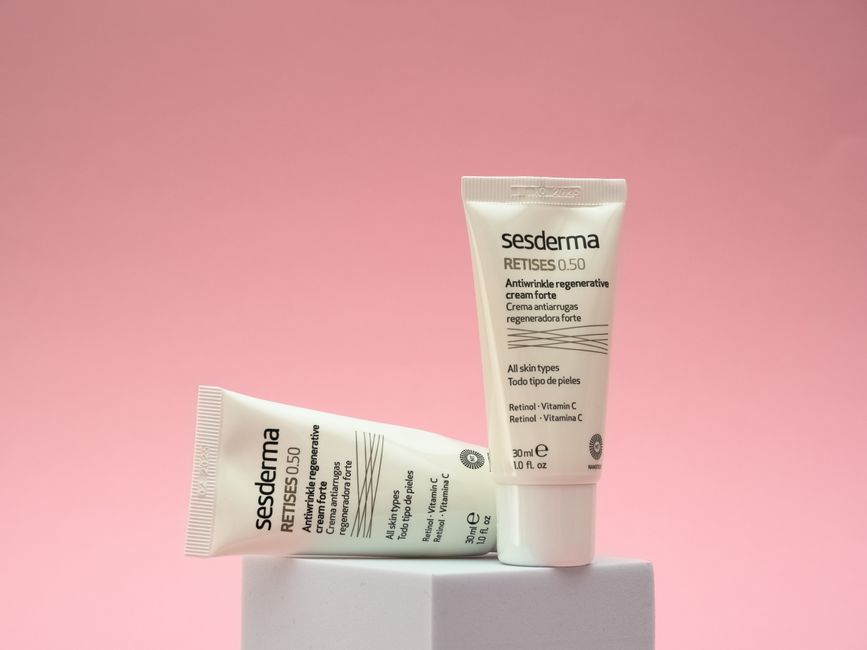
👉 At a glance: Retinol is renowned for its anti-aging benefits, specifically in reducing wrinkles and refining skin texture. However, it requires cautious use to avoid adverse effects like irritation, making it crucial to match the product with your skin type.
Understanding Retinol’s Wrinkle-Reducing Effects
Retinol, a derivative of Vitamin A, is a potent ingredient in the fight against aging. It works by boosting collagen production, which helps to smooth fine lines and improve skin elasticity. Consistent use can lead to a visible reduction in wrinkles and a more youthful appearance.
The effectiveness of retinol in managing wrinkles has been supported by various studies, which highlight its role in promoting faster skin cell turnover and collagen synthesis. This results in firmer, more resilient skin.
Potential Side Effects of Retinol
Despite its benefits, retinol can cause irritation when first introduced to the skin care regimen. Common side effects include redness, dryness, and peeling, particularly if used in high concentrations or applied too frequently.
To minimize these effects, it’s advisable to start with a low concentration and gradually increase usage as the skin builds tolerance. Avoid using retinol in combination with other potent exfoliants, like AHA or BHA, to prevent exacerbating skin sensitivity.
Is Retinol Suitable for Your Skin Type?
Retinol can be beneficial for most skin types, but it is particularly effective for mature or acne-prone skin. However, those with sensitive skin might experience increased irritation and should approach retinol with caution.
Before incorporating retinol into your routine, it’s wise to perform a patch test. For those with sensitive skin, using a lower concentration formula or applying a buffer, such as a moisturizer, before retinol can help mitigate potential irritation.
Safe Retinol Application
For optimal results, retinol should be applied in the evening after cleansing. It is sensitive to sunlight, which can reduce its efficacy and increase the risk of sun sensitivity. Ensure your skin is dry before application to prevent irritation.
Begin with a pea-sized amount for the entire face, avoiding the sensitive eye area. Gradually increase usage from once or twice a week to every other night, as tolerated.
Combining Retinol with Other Products
When using retinol, it’s crucial to coordinate with other skincare products to avoid over-exfoliation. Avoid using retinol on the same day as other active ingredients like AHA or BHA.
Instead, alternate these powerful ingredients on different days or integrate them into your morning routine, ensuring to apply a broad-spectrum sunscreen daily.
⚠️ Caution: Retinol is not recommended for those who are pregnant or breastfeeding. Consult a healthcare provider before use.
Key Takeaways
- Retinol enhances skin texture and reduces wrinkles by promoting collagen production.
- Start with a low concentration to minimize initial skin irritation.
- Retinol is suitable for most skin types, but sensitivity testing is advised for sensitive skin.
- Apply retinol in the evening and always use sunscreen during the day.
- Avoid using retinol with other strong exfoliants on the same day.
This article is general information. Patch-test new skincare and consult a dermatologist for persistent skin concerns.
Leave a Reply