👉 At a glance: Sodium percarbonate is a natural cleaning agent known for its ability to tackle tough stains and odors in toilets, thanks to its strong alkaline properties. Learn the science behind its effectiveness and how to use it safely.
Why Sodium Percarbonate is Effective for Toilet Cleaning
The power of sodium percarbonate lies in its alkaline properties. As it dissolves in water, it releases hydrogen peroxide and soda ash, creating a bubbling action that helps break down stains and odors. This chemical reaction effectively tackles mineral deposits and organic build-up, making it a popular choice for eco-friendly toilet cleaning.
How to Use Sodium Percarbonate Safely
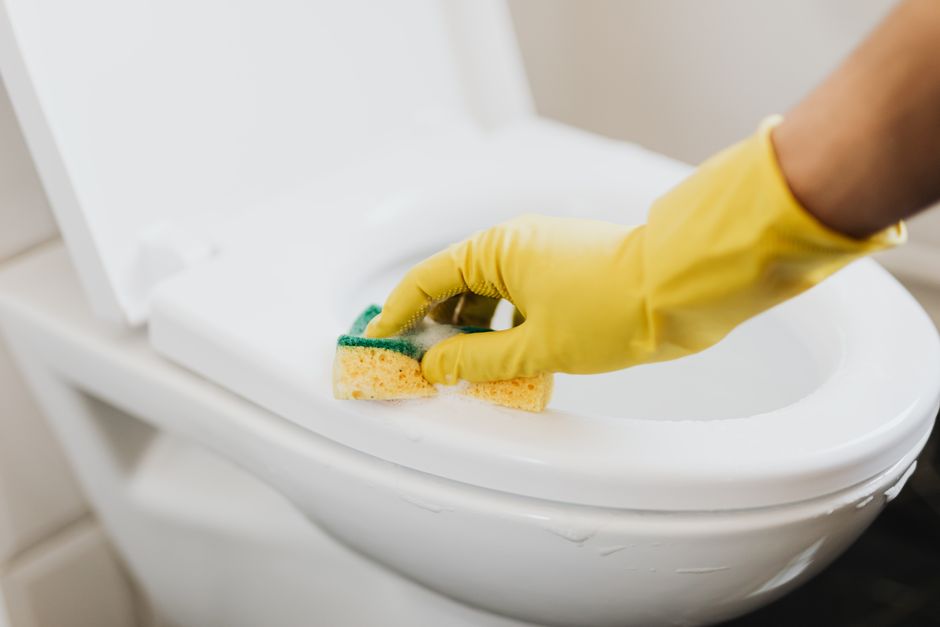
When using sodium percarbonate, it’s important to follow safety guidelines. Always wear gloves to protect your skin from irritation, and ensure the area is well-ventilated to avoid inhaling any fumes. Avoid mixing it with chlorine-based cleaners to prevent the release of hazardous gases.
Step-by-Step Guide to Cleaning Your Toilet
Begin by removing excess water from the toilet bowl. Sprinkle about 2/3 cup of sodium percarbonate into the bowl, followed by a few drops of dish soap. Pour in hot water to activate the cleaning reaction. Allow it to sit for 10 minutes, then scrub with a toilet brush and flush.
Using Sodium Percarbonate for Other Surfaces
Besides toilets, sodium percarbonate can also be used on various household surfaces such as tiles, grout, and laundry. Its ability to naturally lift and remove stains makes it versatile for cleaning. However, always conduct a patch test on delicate surfaces to ensure compatibility.
⚠️ Caution: Do not mix sodium percarbonate with chlorine-based cleaners to avoid the release of harmful gases.
Key Takeaways
- Sodium percarbonate effectively cleans toilets by breaking down stains and odors.
- Always use it in a well-ventilated area and avoid mixing with chlorine cleaners.
- It can also be used on tiles, grout, and laundry.
- Wear gloves to protect your skin and follow safety precautions.
This article is general information and does not replace professional diagnosis or treatment. Consult a qualified provider if symptoms persist.
Leave a Reply