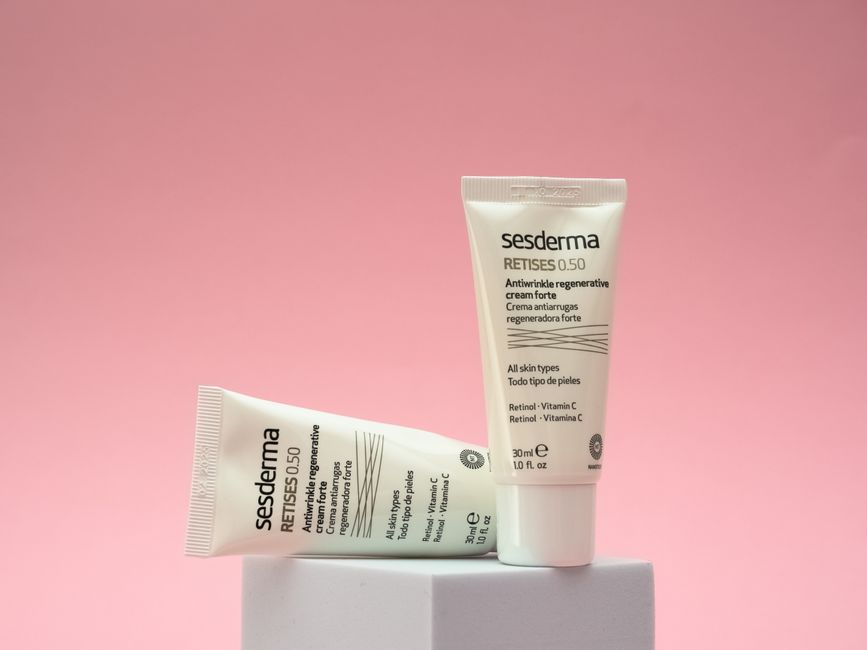
👉 At a glance: Retinol is a powerful skincare ingredient known for its anti-aging benefits, helping to improve skin texture and reduce wrinkles. But it’s crucial to understand its concentration, usage precautions, and application methods for different skin types to maximize benefits and minimize side effects.
Understanding Retinol Concentrations
Retinol concentrations vary from 0.01% to 1.0%. Beginners often start with concentrations like 0.01% to 0.03%, which are less likely to cause irritation. Higher concentrations, such as 0.5% or 1.0%, are suitable for those with more experience and tolerance to retinol.
Precautions When Using Retinol
Using retinol requires careful consideration to avoid irritation. It’s advised to start with a small amount and gradually increase usage. Always apply sunscreen during the day as retinol can increase skin’s sensitivity to sun.
How to Use Retinol Based on Skin Type
For sensitive skin, start with lower concentrations and apply every three nights. Normal skin types can start using retinol twice a week, gradually increasing frequency. Improved texture and tone are often seen within a few weeks.
Combining Retinol with Other Ingredients
Combining retinol with ingredients like hyaluronic acid can help maintain hydration and reduce dryness. Using ceramides can also support the skin barrier, minimizing potential irritation.
Signs It May Be Time to Adjust Your Retinol Routine
If you experience redness or excessive peeling, it might indicate that you need to reduce frequency or opt for a lower concentration. Pay attention to how your skin responds and make adjustments accordingly.
⚠️ Caution: Always patch-test new retinol products to avoid adverse reactions. Consult a dermatologist if you experience persistent irritation.
Key Takeaways
- Start with low concentrations of retinol, particularly if you’re new to the ingredient.
- Use sunscreen during the day to protect sensitive skin from UV damage.
- Adjust frequency based on your skin’s tolerance to avoid irritation.
- Pair retinol with hydrating ingredients like hyaluronic acid to maintain moisture levels.
- Consult a dermatologist if you’re unsure about which retinol concentration suits your skin type.
This article is general information. Patch-test new skincare and consult a dermatologist for persistent skin concerns.
Leave a Reply