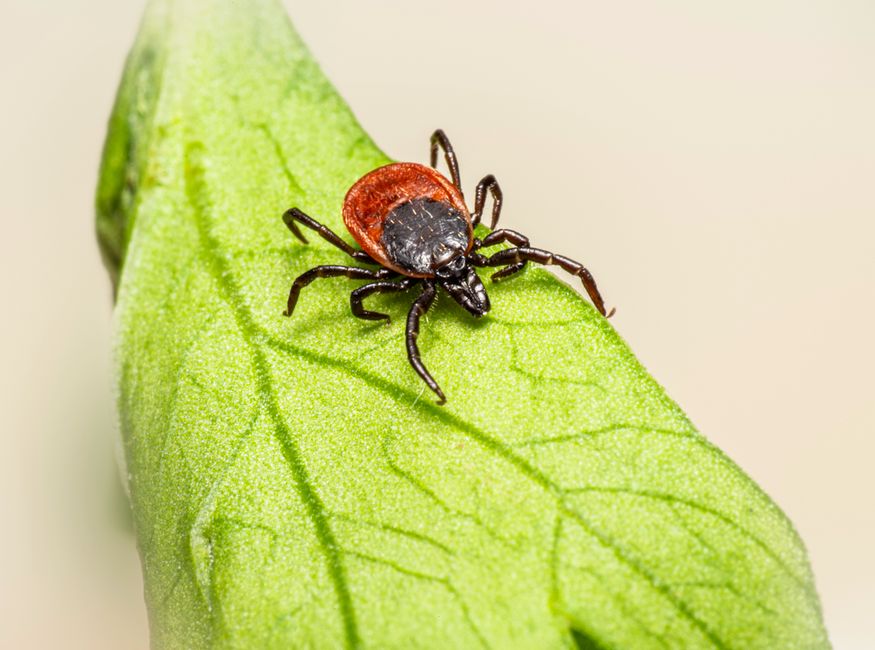
👉 At a glance: Ticks on dogs can be a concern for both pets and humans. Learn essential prevention methods and how to handle ticks if found.
Can Ticks Transfer from Dogs to Humans?
Yes, ticks can transfer from dogs to humans. If a dog brings ticks into a home, there is a risk of them attaching to humans as well. Ensuring that your pet is tick-free decreases this risk significantly.
Effective Tick Prevention Methods for Dogs
To prevent ticks, regularly check your dog after walks, especially during tick season. Use veterinarian-recommended tick prevention products and maintain a clean yard to minimize tick habitats.
Regular grooming and bathing can also help in identifying and preventing tick infestations.
Steps to Take When You Find a Tick on Your Dog
If you discover a tick, use tweezers to grasp it close to the skin and pull it out slowly. After removal, clean the area with antiseptic. Avoid crushing the tick as it can release harmful bacteria.
Consult a vet if you’re unsure about removing ticks or if your dog shows signs of illness following a tick bite.
Quick Checklist After Dog Walks
After each walk, check your dog for ticks in these areas: between toes, inside ears, under the collar, and around the tail. This quick routine can help in early detection and removal.
Protecting Your Family from Tick Exposure
Ensure that family members also inspect themselves and their clothing after spending time outdoors. Keeping a clean home and garden reduces the risk of ticks entering indoor spaces.
The Importance of Veterinary Advice
Always consult a veterinarian for the best tick prevention products for your dog. Different breeds and sizes may require specific treatments.
⚠️ Caution: Never use tick products intended for humans on your pets without veterinary guidance.
Key Takeaways
- Regularly check dogs for ticks after walks.
- Use vet-recommended tick prevention methods.
- Quickly and carefully remove ticks if found.
- Inspect yourself and your family for ticks after outdoor activities.
- Consult a vet for tailored tick prevention advice.
This article is general information and does not replace professional diagnosis or treatment. Consult a qualified provider if symptoms persist.
Leave a Reply