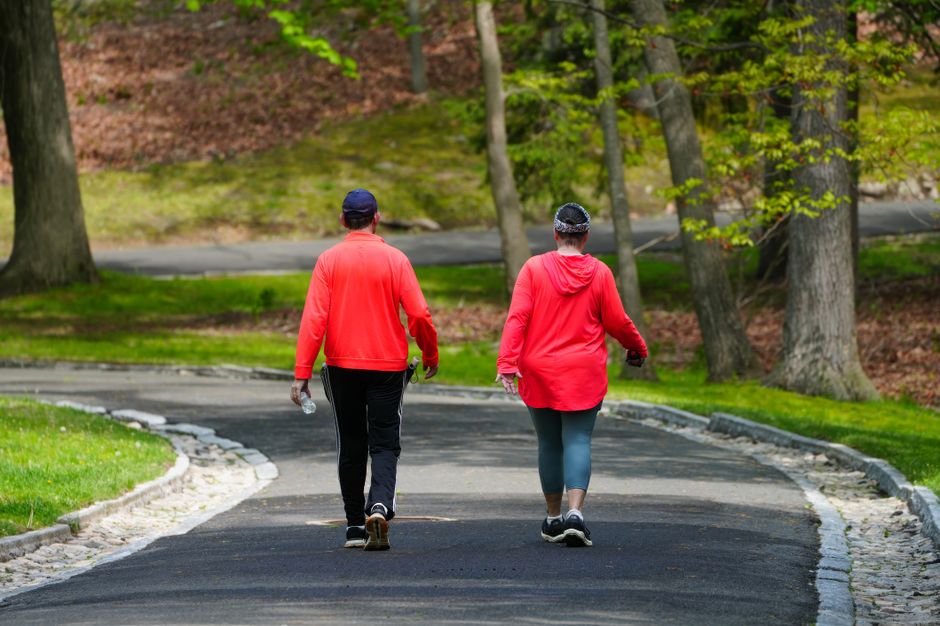
👉 At a glance: Discover how post-meal walking can help manage blood sugar spikes and learn the best practices to maximize its benefits.
The Impact of Post-Meal Walking on Blood Sugar
Walking after meals can significantly influence your blood sugar levels. After eating, the body breaks down food into glucose, leading to a natural rise in blood sugar. By engaging in light physical activity such as walking, you can reduce the spike that typically occurs post-meal.
This activity helps your muscles use the glucose more effectively, which in turn aids in maintaining stable blood sugar levels and alleviating the stress on your pancreas.
Finding the Optimal Walking Time
To achieve the best results, it is recommended to start your walk 15 to 30 minutes after eating. This timing aligns with the initial phase of blood sugar increase, allowing you to mitigate a sharp rise more efficiently.
By incorporating this practice into your routine, you can optimize your body’s natural insulin response, contributing to better long-term blood sugar management.
Effective Walking Techniques
Engaging in a walk that is brisk yet comfortable can maximize benefits. Aim for a pace where conversation is possible but slightly breathless. This ensures a better glucose utilization by your muscle groups.
Focus on maintaining good posture, and if possible, try to increase your stride length slightly to enhance the engagement of your lower body muscles.
Alternative Habits for Blood Sugar Control
Besides walking, integrating other healthy habits can further support blood sugar management. Consuming a balanced diet rich in fiber and low in processed sugars helps stabilize your levels. Regular physical activities, staying hydrated, and maintaining a consistent sleep schedule also play crucial roles.
By combining these habits with post-meal walking, you can enhance your overall metabolic health.
Precautions for Safe Walking
While walking is generally safe, those on certain medications should be mindful of timing to prevent hypoglycemia. It is advisable for individuals with foot issues to wear appropriate footwear to avoid injury.
Adapting to indoor alternatives during adverse weather can ensure consistency in your routine.
⚠️ Caution: Always consult with healthcare providers before making significant changes to your physical activity routine, especially if you have pre-existing health conditions.
Key Takeaways
- Post-meal walking can help manage blood sugar spikes effectively.
- Start walking 15 to 30 minutes after eating for optimal results.
- Maintain a brisk pace to enhance glucose utilization.
- Incorporate other healthy habits such as a balanced diet and regular exercises for better blood sugar control.
- Take necessary precautions based on individual health conditions.
This article is general information and does not replace professional diagnosis or treatment. Consult a qualified provider if symptoms persist.
Leave a Reply