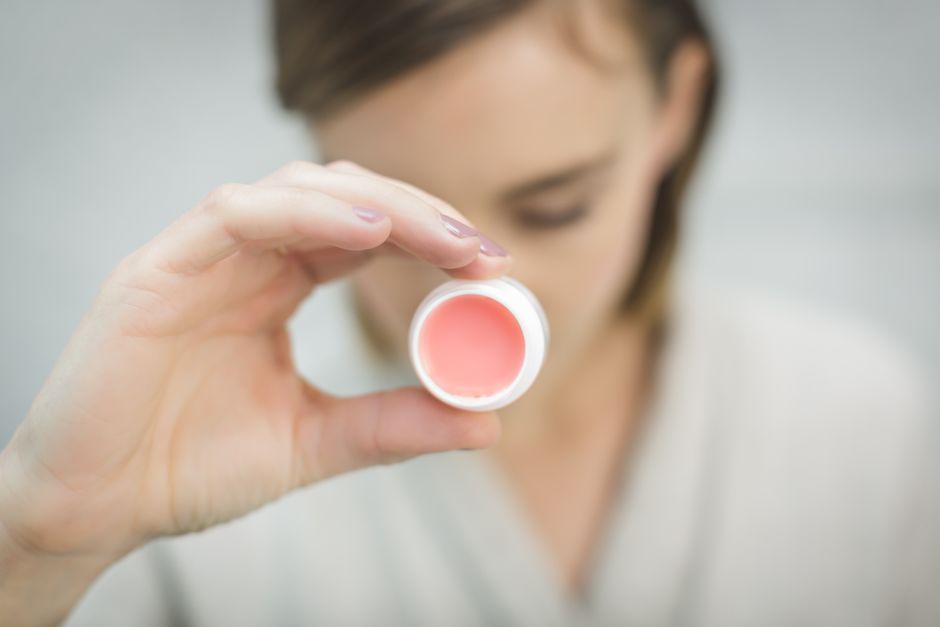
👉 At a glance: Discover how this high-moisture balm can be the perfect solution for soothing and nurturing atopic skin. Learn about its key ingredients, benefits, and safety for long-term use.
Is the Balm Suitable for Atopic Skin?
When dealing with atopic skin, it’s crucial to find a moisturizing product that offers intense hydration without causing irritation. This high-moisture balm is specifically formulated to cater to sensitive skin needs, making it an excellent choice for individuals with atopic dermatitis.
What Are the Key Ingredients and Their Benefits?
The balm boasts a blend of squalane, glycerin, shea butter, and niacinamide. These ingredients work in harmony to strengthen the skin barrier, soothe itchiness, and provide calming relief to irritated skin.
Any Side Effects with Long-Term Use?
While the balm is formulated to be gentle on sensitive skin, it’s essential to monitor for any adverse reactions. Generally, it is free from harsh chemicals that might trigger allergies, but always perform a patch test before consistent use.
How to Integrate the Balm into Your Skincare Routine?
For optimal results, apply the balm to damp skin after a shower to lock in moisture. This method ensures prolonged hydration and helps prevent irritation from external factors.
What to Expect from Ongoing Use?
With consistent use, you may notice a remarkable reduction in dryness and irritation. The balm’s nourishing properties can lead to softer, more resilient skin.
⚠️ Caution: Always conduct a patch test before full application to ensure compatibility with your skin type.
Key Takeaways
- This balm is specially designed for atopic and sensitive skin.
- Key ingredients include squalane, glycerin, shea butter, and niacinamide.
- Always patch-test new products to prevent adverse effects.
- Apply on damp skin for maximum hydration retention.
- Consistent use can improve skin texture and resilience.
This article is general information. Patch-test new skincare and consult a dermatologist for persistent skin concerns.
Leave a Reply