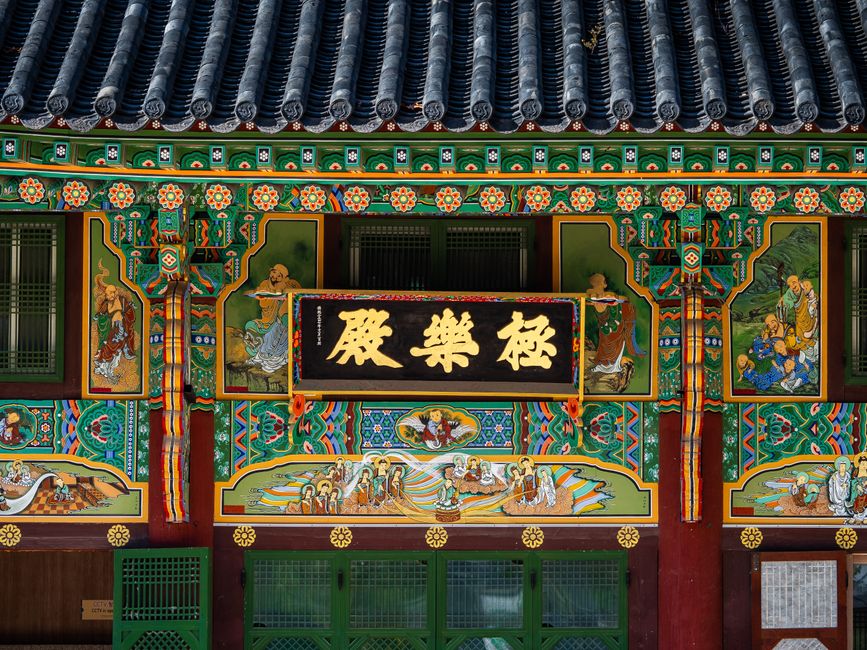
👉 At a glance: Beopjusa Temple, nestled in the mountains of Songnisan National Park, offers a unique blend of natural beauty and historical significance. This article explores its architecture, surroundings, and cultural value.
The Historical Significance of Beopjusa
Founded in the year 553 during the Silla Dynasty, Beopjusa Temple has been a significant spiritual center in Korea. It holds a wealth of art and architecture that reflects the rich history of Korean Buddhism.
The temple’s most notable feature is the massive bronze statue of Maitreya Buddha, which attracts visitors seeking peace and spirituality.
Architecture of Beopjusa Temple
The architecture of Beopjusa is a testament to the skill and artistry of ancient Korean craftsmen. The temple is home to several national treasures, including the Palsangjeon, a wooden pagoda that stands five stories tall and is the only remaining pagoda of its kind in Korea.
Each structure within the temple complex blends harmoniously with the natural landscape, offering visitors a unique sense of tranquility.
The Natural Beauty of Songnisan
Songnisan National Park is renowned for its scenic landscapes and biodiversity. The park’s trails offer hiking enthusiasts a chance to explore lush forests, pristine streams, and awe-inspiring vistas.
In autumn, the park is particularly stunning as the leaves transform into a vibrant tapestry of colors, enhancing the serene atmosphere of the temple grounds.
Cultural Events at Beopjusa
Throughout the year, Beopjusa hosts various cultural events and festivals that celebrate Korean Buddhist traditions. These events offer insight into the temple’s spiritual practices and provide visitors an opportunity to participate in meditation sessions, tea ceremonies, and traditional lantern festivals.
Such activities allow individuals to immerse themselves in the rich cultural heritage that Beopjusa preserves.
Conservation Efforts
Conservation efforts at Beopjusa are crucial in maintaining its historical structures and natural environment. The temple is part of the Songnisan National Park’s initiative to preserve the biodiversity and cultural assets of the area.
Visitors are encouraged to respect the sanctity of the temple and its surroundings, ensuring that future generations can also enjoy its beauty and tranquility.
⚠️ Caution: Visitors should be mindful of the temple’s rules and preserve the natural environment during their visit.
Key Takeaways
- Beopjusa Temple is a significant historical site with rich Buddhist heritage.
- The temple’s architecture harmonizes with the natural beauty of Songnisan.
- Visitors can enjoy hiking and seasonal colors in Songnisan National Park.
- Cultural events offer insight into traditional Korean Buddhist practices.
- Conservation efforts are vital for preserving the temple’s integrity.
This article is general information about a traditional site and is not medical advice.
Leave a Reply