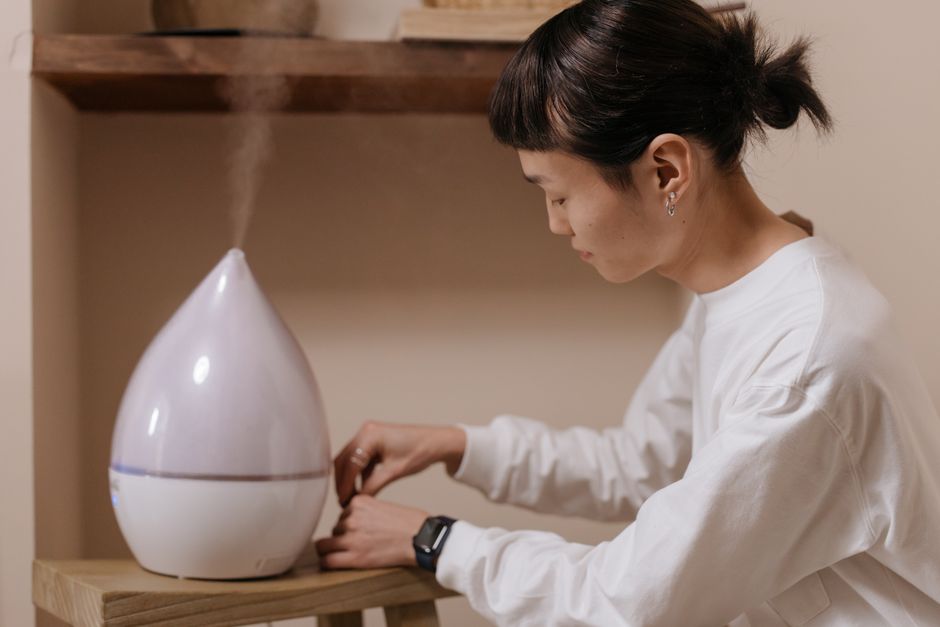
👉 At a glance: Evaporative humidifiers offer a natural and efficient way to manage indoor humidity levels. They are ideal for creating a comfortable living environment, especially in dry seasons.
What is an Evaporative Humidifier?
An evaporative humidifier is a device that uses a fan to blow air through a wet wick or filter. As the air passes through, moisture is added, and the air is humidified. This process is natural and relies on the evaporation of water, making it an energy-efficient choice for maintaining comfortable humidity levels indoors.
Benefits of Using Evaporative Humidifiers
One of the primary benefits of evaporative humidifiers is their ability to naturally adjust humidity levels without over-humidifying the air. This prevents excess moisture-related issues like mold growth. Additionally, they can help alleviate symptoms of dry skin, sinus irritation, and respiratory discomfort by maintaining optimal humidity.
How to Use an Evaporative Humidifier Effectively
To maximize the efficiency of your evaporative humidifier, regularly clean and replace the wick or filter. Place the humidifier in a central location within the room for even distribution of moisture. Ensure that the water tank is filled with clean, distilled water to avoid mineral buildup and maintain the unit’s longevity.
Choosing the Right Size Humidifier
Selecting the appropriate size for your humidifier is crucial for effective humidity control. Consider the room size and the humidifier’s capacity, typically measured in square feet or cubic feet. For larger areas, opt for a model that can handle the volume to ensure consistent performance.
Maintenance Tips for Longevity
Routine maintenance is vital for keeping your humidifier running smoothly. Clean the water tank weekly and replace the wick every 1-3 months depending on usage. Regular cleaning prevents the growth of bacteria and ensures optimal air quality.
⚠️ Caution: Always ensure the humidifier is on a stable surface to prevent spills. Avoid using tap water to minimize mineral buildup.
Key Takeaways
- Evaporative humidifiers use natural evaporation for energy-efficient humidity control.
- Regular maintenance is essential for preventing bacteria growth and ensuring performance.
- Choose a humidifier size based on room dimensions for effective operation.
- Use distilled water to minimize mineral deposits and maintain air quality.
This article is general information and does not replace professional diagnosis or treatment. Consult a qualified provider if symptoms persist.
Leave a Reply