
Author: kc

  • Menopausal Symptom Relief: Supplements, Value, and Lifestyle Tips

    Menopausal Symptom Relief: Supplements, Value, and Lifestyle Tips

    👉 At a glance: Managing menopausal symptoms often combines lifestyle changes, diet, and supplements. Products marketed for menopause, such as phytoestrogen-based formulas, may offer mild relief, but understanding value and safety—and consulting a doctor—matters most.

    Menopause and Symptom Relief

    Menopause is a natural transition marked by declining estrogen, bringing hot flashes, night sweats, mood changes, and sleep disruption. The experience varies widely, and relief usually requires a combination of approaches.

    Many people explore supplements alongside lifestyle changes to ease symptoms without or before medical treatment. These products typically aim to support the body through the hormonal shift rather than cure symptoms outright.

    It is important to weigh both effectiveness and safety, and to see supplements as one part of a broader plan.

    How Menopause Supplements Work

    Many menopause supplements contain phytoestrogens—plant compounds such as soy isoflavones or red clover—that weakly mimic estrogen and may modestly ease hot flashes for some. Others include black cohosh, long used for menopausal symptoms.

    Supportive nutrients like calcium and vitamin D protect bone health, which becomes more vulnerable after menopause, while magnesium may aid sleep and mood. The aim is to address both symptoms and the broader health changes of this stage.

    Evidence is mixed and individual, so these products may help mild symptoms but are not guaranteed to work for everyone.

    Considering Value and Cost

    Menopause supplements vary widely in price and quality. Rather than choosing by cost alone, look at the specific ingredients, their doses, and whether the product is third-party tested for quality and purity.

    A reasonably priced supplement with well-studied, adequately dosed ingredients often represents better value than an expensive product with a long list of trace ingredients. Give any product a fair trial of several weeks before judging it.

    Bone and heart health deserve extra attention, since falling estrogen raises the risk of osteoporosis and affects cardiovascular health. Weight-bearing exercise, adequate calcium and vitamin D, and regular checkups help protect long-term wellbeing.

    Lifestyle Support That Helps

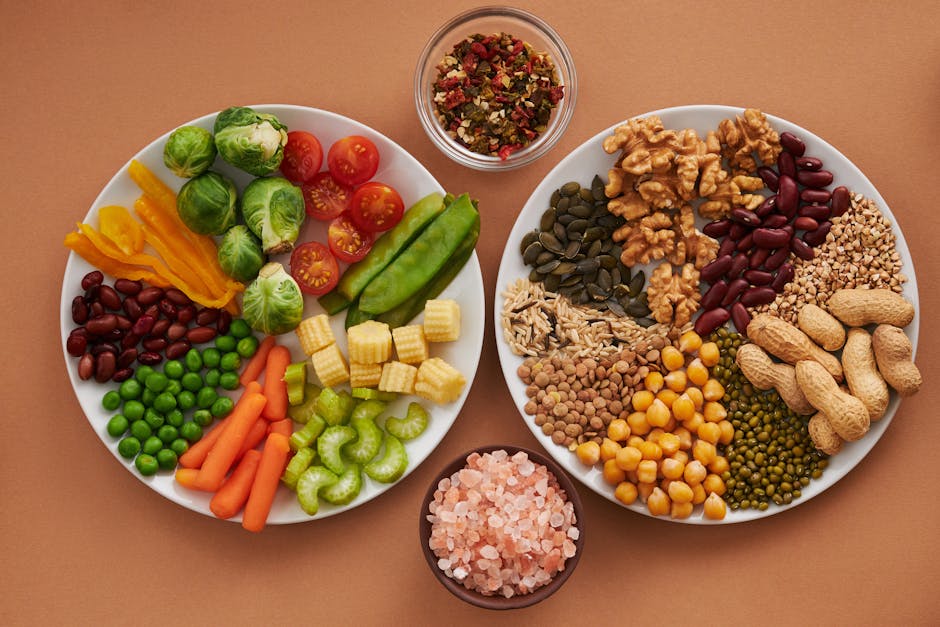
    Lifestyle changes are effective and low-risk. Regular exercise supports mood, sleep, weight, and bone strength, while a balanced diet rich in vegetables, whole grains, and calcium supports overall health.

    Reducing hot-flash triggers like caffeine, alcohol, and spicy foods, dressing in layers, and keeping the bedroom cool all improve comfort. Stress-reduction practices and consistent sleep habits help with mood and rest.

    Keeping a symptom diary can help you and your doctor judge whether a supplement or lifestyle change is genuinely helping. Tracking hot flashes, sleep, and mood over a few weeks turns a vague impression into useful information.

    Possible Side Effects and Precautions

    Menopause supplements are not risk-free. Phytoestrogens and herbs like black cohosh can interact with medications or be unsuitable for people with certain conditions, including a history of hormone-sensitive cancers.

    Because of these considerations, consult a healthcare provider before starting any supplement, especially if you take medication or have significant symptoms. A doctor can discuss options including hormone therapy and rule out other causes.

    ⚠️ Caution: Caution: Phytoestrogen and herbal menopause supplements can interact with medications and may be unsafe with hormone-sensitive conditions—consult a healthcare provider before use.

    Keeping a symptom diary over a few weeks turns a vague impression into useful information for tailoring your approach with your doctor.

    Key Takeaways

    • Menopause relief combines lifestyle, diet, and sometimes supplements.
    • Phytoestrogen products may offer mild relief for some people.
    • Judge supplements by ingredients and quality, not price alone.
    • Exercise, a balanced diet, and trigger management help significantly.
    • Consult a provider before supplements or for significant symptoms.

    This article is general information and does not replace professional diagnosis or treatment. Consult a qualified provider if symptoms persist.

  • Rhodiola for Stress Relief: Benefits, Dosage, and How to Take It

    Rhodiola for Stress Relief: Benefits, Dosage, and How to Take It

    👉 At a glance: Rhodiola rosea is an adaptogenic herb used to help the body cope with stress, fatigue, and mental fog. Taken in standardized doses in the morning, it may support energy and resilience—though it works best alongside healthy stress-management habits.

    What Is Rhodiola?

    Rhodiola rosea is a flowering herb traditionally used in cold, mountainous regions and classified as an adaptogen—a substance thought to help the body adapt to physical and mental stress. It has a long history in traditional medicine.

    Its active compounds, including rosavins and salidroside, are believed to influence the body’s stress-response systems. Modern interest focuses on its potential to reduce stress-related fatigue and support mental clarity.

    Rhodiola is available as capsules, tablets, and extracts, typically standardized to a set percentage of active compounds.

    How Rhodiola May Help with Stress

    As an adaptogen, rhodiola is used to help the body maintain balance under stress rather than acting as a sedative or stimulant. Some studies suggest it may reduce stress-related fatigue and improve resilience during demanding periods.

    People often take it for mental and physical fatigue, difficulty concentrating, or burnout-like symptoms. Research also points to possible benefits for mood and endurance, though findings vary and more study is needed.

    It is best viewed as a supportive tool for stress and energy, not a cure for anxiety or a replacement for addressing the sources of stress.

    Consistency and quality both matter. Because adaptogens work gradually, giving rhodiola a few weeks is more informative than judging it after a single dose. Choosing a standardized, third-party-tested extract ensures you actually get the active compounds on the label.

    How to Take Rhodiola

    Common doses range from around 200 to 400 mg per day of a standardized extract, often standardized to about 3% rosavins and 1% salidroside. Because it can be mildly energizing, it is usually taken in the morning or early afternoon rather than at night.

    Some people use it in short cycles—several weeks on, then a break—rather than continuously. Start with a lower dose to see how you respond, and take it on an empty stomach or before meals as directed.

    Combining Rhodiola with Healthy Habits

    Rhodiola works best as part of a broader stress-management approach. Regular exercise, quality sleep, and relaxation practices like deep breathing or mindfulness address stress more fundamentally than any supplement.

    A balanced diet, limiting excess caffeine and alcohol, and setting boundaries all support the herb’s potential benefits. Think of rhodiola as a possible aid layered on top of these foundations.

    Rhodiola is sometimes combined with other adaptogens like ashwagandha in stress formulas. If you try such blends, introduce them one at a time so you can identify what helps or causes side effects, rather than starting several at once.

    Possible Side Effects and Precautions

    Rhodiola is generally well tolerated, but some people experience jitteriness, irritability, dizziness, or trouble sleeping—especially at higher doses or when taken late. Lowering the dose or adjusting timing usually helps.

    It may interact with medications, including antidepressants, stimulants, and drugs affecting blood pressure or blood sugar. Those who are pregnant, breastfeeding, have a condition, or take medication should consult a provider, and persistent stress or low mood deserves professional support.

    ⚠️ Caution: Caution: Rhodiola can interact with antidepressants and other medications and may cause jitteriness—consult a healthcare provider before use, and seek support for persistent stress or low mood.

    Choosing a standardized, third-party-tested extract ensures you actually receive the active compounds listed on the label.

    Key Takeaways

    • Rhodiola is an adaptogenic herb used for stress and fatigue.
    • It may support energy, focus, and resilience under stress.
    • Take 200–400 mg of standardized extract in the morning.
    • Pair it with sleep, exercise, and stress-management habits.
    • Check for drug interactions and consult a provider before use.

    This article is general information and does not replace professional diagnosis or treatment. Consult a provider before starting supplements.

  • 5 Essential Habits and Foods for Kidney Health

    5 Essential Habits and Foods for Kidney Health

    👉 At a glance: Protecting your kidneys comes down to simple, often-overlooked habits and foods: hydrate wisely, cut excess salt and sugar, control blood pressure and blood sugar, eat kidney-friendly produce, and avoid painkiller overuse. Do you know them all?

    How Well Do You Know Your Kidneys?

    Many people underestimate how much daily choices affect kidney health. The kidneys quietly filter waste, balance fluids and minerals, and help regulate blood pressure—yet kidney disease often develops with no early symptoms.

    Because damage can be silent and hard to reverse, prevention through everyday habits is far more effective than waiting for warning signs. The good news is that the key habits are simple and accessible to almost everyone.

    Here are five essential habits and foods that protect your kidneys—see how many you already practice.

    Habit 1 and 2: Hydrate and Cut Salt

    Staying adequately hydrated helps the kidneys flush waste. Water is best, and aiming for pale-yellow urine is a simple guide—though those with advanced kidney disease may have specific fluid limits set by a doctor.

    Reducing sodium is one of the most impactful changes. Excess salt raises blood pressure and strains the kidneys, and most of it hides in processed and restaurant foods, so cooking at home and reading labels makes a real difference.

    Even modest improvements matter. Losing a small amount of excess weight, walking most days, and trimming salty snacks can meaningfully lower blood pressure and blood sugar, easing kidney strain without dramatic overhauls.

    Habit 3 and 4: Control Blood Pressure and Blood Sugar

    High blood pressure and diabetes are the two leading causes of kidney disease. Keeping blood pressure in a healthy range through diet, exercise, and any prescribed medication protects the kidneys’ delicate filtering vessels.

    Managing blood sugar with balanced meals, fiber, and reduced added sugar prevents diabetes-related kidney damage. Regular monitoring, especially with risk factors, helps catch problems while they are still manageable.

    A common surprise is that even some healthy foods, like bananas and potatoes, are high in potassium and may need moderating for people with reduced kidney function. For healthy kidneys these foods are fine, which is why individualized advice matters.

    Habit 5 and Kidney-Friendly Foods

    The fifth habit is avoiding the frequent, unsupervised use of NSAID painkillers, which can strain the kidneys over time—along with not smoking and moderating alcohol.

    For food, emphasize fresh vegetables and fruit, whole grains, and healthy fats while limiting processed items. Berries, apples, and fish are good choices, and people with existing kidney issues may need to watch potassium and phosphorus under medical guidance.

    Reviewing your supplements and over-the-counter medications with a doctor is another overlooked habit. Some products marketed as natural can still affect the kidneys, so a quick professional check helps you avoid hidden risks.

    Maintaining a healthy weight and staying physically active tie all of this together, since they support blood pressure, blood sugar, and overall metabolic health—all of which lighten the load on your kidneys long term.

    When to See a Doctor

    Because kidney disease is often silent, regular checkups with blood and urine tests are the best way to catch it early—especially if you have diabetes, high blood pressure, or a family history.

    Warning signs such as swelling in the legs, changes in urination, foamy urine, or persistent fatigue warrant evaluation. Do not ignore these or self-diagnose; early detection greatly improves outcomes and treatment options.

    ⚠️ Caution: Caution: Kidney disease is often silent—get regular kidney function tests if you have diabetes, high blood pressure, or a family history, and avoid routinely overusing NSAID painkillers.

    Key Takeaways

    • Daily habits strongly influence kidney health, which often declines silently.
    • Hydrate wisely and cut excess sodium from processed foods.
    • Control blood pressure and blood sugar to protect the kidneys.
    • Eat kidney-friendly produce and avoid painkiller overuse.
    • Get regular checkups if you have kidney disease risk factors.

    This article is general information and does not replace professional diagnosis or treatment. Consult a qualified provider if symptoms persist.

  • How to Choose Probiotics for Baby Gut Health

    How to Choose Probiotics for Baby Gut Health

    👉 At a glance: Selecting a probiotic for a baby’s gut health involves choosing infant-tested strains, the right format, and a trustworthy brand—always under a pediatrician’s guidance. This guide walks through what to look for and how to use them safely.

    Baby Gut Health Basics

    In the first months of life, a baby’s gut microbiome develops quickly and influences digestion, immune development, and overall health. Supporting a balanced gut may promote comfortable digestion and fewer tummy troubles.

    Feeding method, birth type, and antibiotic exposure all shape this developing ecosystem. In certain situations, probiotics are considered to help support gut balance, but they are not necessary for every infant.

    Because babies are so delicate, any decision about probiotics should be made together with a pediatrician.

    Choosing the Right Strains

    Not all probiotics suit infants. Look for strains specifically studied in babies, typically certain Lactobacillus and Bifidobacterium species. The strain, not just the genus, determines the effect, so specific labeling matters.

    For example, particular strains have been studied for easing colic or supporting digestion after antibiotics. Matching the strain to your baby’s specific need—guided by your doctor—is more effective than picking a generic product.

    Packaging and expiration also affect potency. Live cultures decline over time and with heat, so check the expiration date, store the product as directed, and use it within the recommended window to ensure your baby receives active probiotics.

    Format, Dose, and Quality

    Infant probiotics commonly come as drops, which are convenient to give, or powders that mix into milk. Choose a format that fits your feeding routine and check whether the product needs refrigeration to keep the cultures alive.

    Look for clear labeling of the strain and the number of live cultures (CFUs), a reputable manufacturer, and third-party testing where available. Avoid products with added sugars, artificial colors, or ingredients not intended for infants.

    Remember that breastfeeding naturally supports a healthy infant microbiome by supplying beneficial bacteria and prebiotics. For many babies, supporting feeding and general health does more than any supplement, so probiotics are a targeted aid rather than a routine essential.

    Using Probiotics Safely

    Follow the product instructions and your pediatrician’s advice on dosage and timing. Introduce a probiotic gradually, give it at a consistent time each day, and watch how your baby responds over the first days and weeks.

    If you are using it for a specific concern such as colic, keep your pediatrician informed of any changes. Give it adequate time to work, and do not combine multiple new products at once so you can tell what is helping.

    It also helps to track your baby’s response in a simple log—noting feeding, stools, and mood—so you and your pediatrician can objectively judge whether the probiotic is making a difference rather than relying on impressions.

    Possible Side Effects and Precautions

    Probiotics are generally considered safe for healthy babies, though some may have temporary gas, fussiness, or changes in stool while adjusting. Any strong or persistent reaction means you should stop and consult the doctor.

    Premature infants or those with serious medical conditions or weakened immunity should only use probiotics under close medical supervision, as risks are higher. Never give a baby adult probiotics, and always let your pediatrician’s guidance lead the decision.

    ⚠️ Caution: Caution: Always consult your pediatrician before giving a baby probiotics—never use adult products, and premature or medically fragile infants need close medical supervision.

    Tracking your baby’s response in a simple log lets you and your pediatrician judge objectively whether the probiotic is helping.

    Key Takeaways

    • A baby’s early gut microbiome supports digestion and immunity.
    • Choose infant-tested strains matched to a specific need.
    • Check format, CFU count, storage, and third-party testing.
    • Introduce gradually at a consistent time and monitor your baby.
    • Consult your pediatrician first and never use adult probiotics.

    This article is general information and does not replace professional diagnosis or treatment. Consult a qualified provider if symptoms persist.
  • Retinol Cream for Skin Elasticity: Benefits and Usage Tips

    Retinol Cream for Skin Elasticity: Benefits and Usage Tips

    👉 At a glance: Retinol cream restores skin elasticity by boosting collagen and speeding cell turnover, smoothing fine lines and firming skin over time. Used gradually at night with sunscreen, it is one of the most effective anti-aging ingredients available.

    How Retinol Restores Elasticity

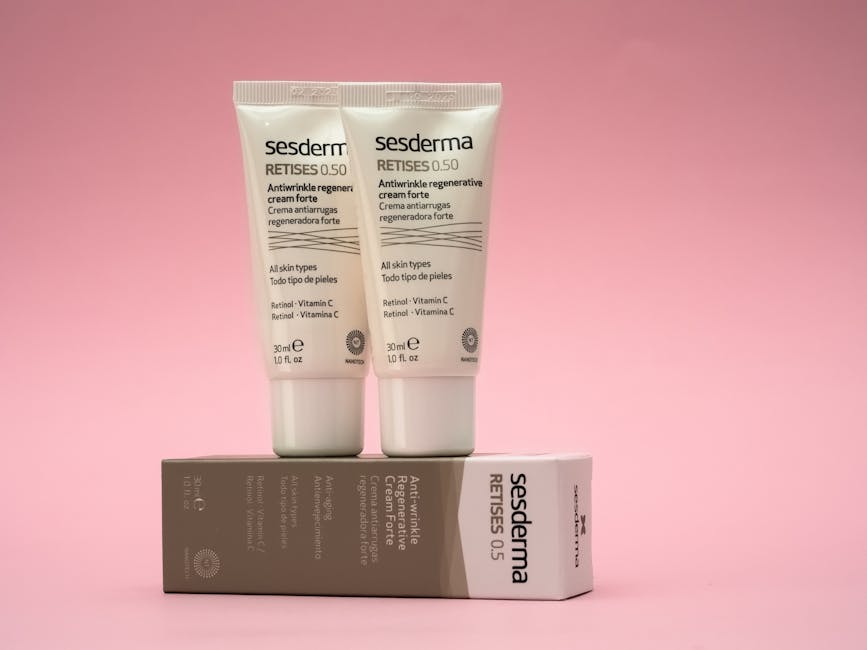
    Retinol, a vitamin A derivative, is converted by the skin into retinoic acid, which stimulates collagen production and accelerates cell turnover. Since collagen and elastin give skin its firmness, supporting them helps restore elasticity.

    As we age, collagen declines and skin becomes looser and more lined. By encouraging the skin to rebuild its support structure, retinol gradually improves firmness, smooths texture, and softens wrinkles.

    It is one of the most evidence-backed anti-aging ingredients, which is why dermatologists recommend it so widely for aging, less elastic skin.

    What Results to Expect

    Retinol works gradually, not overnight. Early benefits—smoother texture and a subtle glow—often appear within about a month, while firmer, more elastic skin and softened lines typically take three to six months of consistent use.

    The first weeks may bring an adjustment period of dryness or mild flaking as skin adapts to faster turnover. This usually settles with time and proper moisturizing, so patience is essential to seeing the elasticity benefits.

    Choosing the right strength helps beginners succeed. Starting with a lower concentration, around 0.2% to 0.3%, lets skin build tolerance before stronger formulas, reducing the irritation that leads many people to give up too soon.

    How to Use Retinol for Firmer Skin

    Start slowly: apply a pea-sized amount to dry skin at night, two or three times a week, and increase frequency as tolerated. Use it at night because retinol degrades in sunlight and raises sun sensitivity.

    Always follow with a moisturizer to buffer dryness, and consider the sandwich method (moisturizer, retinol, moisturizer) if you are sensitive. Daily sunscreen is essential—it protects your results and prevents further collagen breakdown.

    Consistency over months is what delivers firmer skin, so building retinol into a sustainable nightly routine matters more than using the strongest product. Occasional photos help you appreciate the gradual gains in elasticity.

    Supporting Skin Elasticity Overall

    Retinol works best alongside habits that protect and build collagen. Daily sunscreen is the most important, since UV exposure is a leading cause of collagen loss and sagging.

    A diet rich in protein, vitamin C, and antioxidants gives the body materials to build collagen, while hydration, adequate sleep, and not smoking help preserve firmness. Some people pair retinol with vitamin C or peptides for added support.

    Storing retinol properly preserves its effectiveness. Because it degrades with light and air, keep the cream in opaque, airtight packaging in a cool place, and close the lid tightly after each use to protect its potency.

    Tracking your progress with occasional photos in consistent lighting helps you appreciate the gradual gains in firmness and texture that are easy to overlook, which makes it easier to stay motivated and consistent.

    Possible Side Effects and Precautions

    Common side effects include dryness, peeling, redness, and temporary sensitivity, especially early on. Easing in gradually, moisturizing, and reducing frequency when needed keeps these manageable.

    Pregnant or breastfeeding individuals should avoid retinol and other retinoids and use safe alternatives instead. If you have very sensitive skin or a skin condition, consult a dermatologist, who can recommend the right strength or a gentler retinoid.

    ⚠️ Caution: Caution: Retinol increases sun sensitivity and is not recommended during pregnancy or breastfeeding—use it at night with daily sunscreen and ease in slowly to avoid irritation.

    Key Takeaways

    • Retinol boosts collagen and cell turnover to restore elasticity.
    • Firming results take three to six months of consistent use.
    • Start 2–3 nights weekly, moisturize, and use daily sunscreen.
    • Support collagen with vitamin C, protein, and sun protection.
    • Avoid during pregnancy and see a dermatologist for sensitive skin.

    This article is general information and does not replace professional diagnosis or treatment. Consult a qualified provider if symptoms persist.
  • Two-Month Blood Sugar Management Plan: A Step-by-Step Guide

    Two-Month Blood Sugar Management Plan: A Step-by-Step Guide

    👉 At a glance: A realistic two-month blood sugar plan builds steady habits: balanced meals, post-meal walks, better sleep, and consistent monitoring. Gradual changes over eight weeks can meaningfully improve blood sugar control—always coordinated with your doctor.

    Why a Two-Month Plan Works

    Lasting blood sugar control comes from sustainable habits, not crash efforts. A two-month window is long enough to build routines and see real change, yet short enough to stay motivated and track progress.

    Blood sugar responds to what and how you eat, your activity, sleep, and stress. Tackling these gradually over eight weeks lets each habit become second nature rather than overwhelming you all at once.

    This plan is general guidance; anyone with diabetes or on medication should coordinate changes with their healthcare provider.

    Reading food labels for added sugars and refined carbohydrates is a valuable early skill. Many products that seem healthy contain hidden sugars, so learning to spot them helps you make gentler choices from day one.

    Weeks 1–2: Adjust Your Plate

    Begin with meal composition. Choose high-fiber, whole-food carbohydrates—vegetables, legumes, and whole grains—over refined starches and sugary foods, which cause sharper glucose spikes.

    Pair carbs with protein, healthy fat, and fiber to slow digestion and blunt spikes, and watch portion sizes. A simple trick is eating vegetables and protein before the carbohydrate portion of a meal, which can reduce the post-meal surge.

    Meal timing supports these changes too. Eating at fairly regular times and avoiding very late, heavy meals helps keep blood sugar steadier and prevents the extreme hunger that leads to overeating high-carb foods later.

    Weeks 3–5: Add Movement and Cut Liquid Sugar

    Introduce regular activity, especially a short walk after meals, which helps muscles use glucose and lowers post-meal spikes. Aim for consistent movement most days, mixing aerobic activity with some resistance training.

    Cut back on sugary drinks, which raise blood sugar rapidly and add little nutrition. Swapping them for water, unsweetened tea, or sparkling water is one of the highest-impact changes you can make in this phase.

    Hydration deserves a place too. Drinking enough water supports metabolic function and helps you distinguish true hunger from thirst, reducing unnecessary snacking that can spike glucose.

    Weeks 6–8: Sleep, Stress, and Consistency

    Turn attention to sleep and stress, both of which affect blood sugar. Aim for consistent, quality sleep and use stress-management techniques like breathing or light exercise, since poor sleep and chronic stress raise glucose.

    By now, your earlier habits should feel routine. Focus on consistency, monitor your levels if you test, and note which meals and activities affect your readings so you can fine-tune your approach.

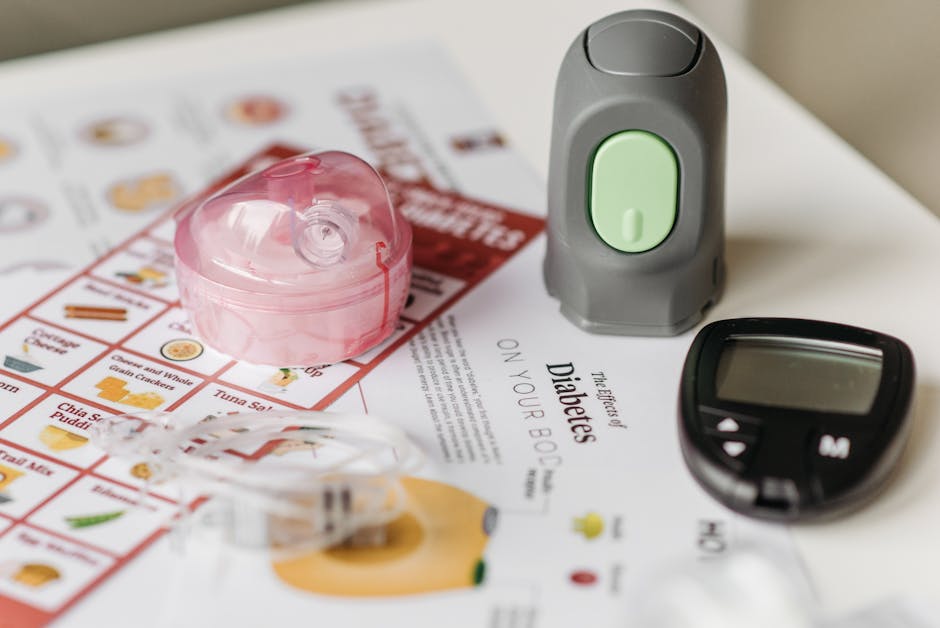
    Keeping a simple log of meals, activity, and any glucose readings turns this plan into personalized data. Over eight weeks, patterns emerge that reveal exactly which foods and habits affect you most—far more useful than generic advice.

    Possible Risks and Precautions

    If you take glucose-lowering medication, increasing exercise or changing your diet can lower blood sugar too much, risking hypoglycemia. Learn the warning signs—shakiness, sweating, confusion—and coordinate changes with your doctor.

    Never stop or adjust prescribed diabetes medication on your own in favor of lifestyle changes. If you are pregnant, managing a condition, or on medication, consult a provider before starting, and use regular monitoring to guide progress safely.

    ⚠️ Caution: Caution: Diet and exercise changes can cause dangerously low blood sugar if you take diabetes medication—never adjust prescriptions yourself, and coordinate your plan with your doctor.

    Key Takeaways

    • Sustainable two-month habits improve blood sugar control.
    • Start with balanced, fiber-rich meals and portion control.
    • Add post-meal walks and cut sugary drinks.
    • Prioritize sleep, stress management, and consistency.
    • Coordinate changes with your doctor if you take medication.

    This article is general information and does not replace professional diagnosis or treatment. Consult a qualified provider if symptoms persist.

  • Dexpanthenol Ampoules for Dry Skin: Benefits and How to Use

    Dexpanthenol Ampoules for Dry Skin: Benefits and How to Use

    👉 At a glance: Dexpanthenol (provitamin B5) ampoules soothe and hydrate dry, irritated skin by supporting the barrier and locking in moisture. They suit sensitive and compromised skin and work well layered under a moisturizer for lasting relief.

    What Is Dexpanthenol?

    Dexpanthenol, also known as provitamin B5 or panthenol, is prized for its soothing and moisturizing properties. Once absorbed, it converts to pantothenic acid (vitamin B5), which the skin uses in barrier repair.

    It is a humectant, meaning it draws and holds water in the skin, and it also has calming, anti-inflammatory qualities. This combination makes it especially useful for dry, sensitive, or irritated skin.

    In ampoule form, dexpanthenol is delivered in a concentrated dose, making it an effective targeted treatment for dryness and discomfort.

    How It Helps Dry Skin

    Dry skin often reflects a weakened barrier that loses water too easily. Dexpanthenol supports barrier function and attracts moisture, helping skin retain hydration and feel softer and more comfortable.

    Its soothing properties calm the redness, tightness, and irritation that accompany dryness. This makes it good not only for everyday dryness but also for skin stressed by weather, over-exfoliation, or harsh products.

    Because it is gentle, it is well suited to sensitive and reactive skin that cannot tolerate stronger actives.

    Ampoules are often designed as concentrated boosters, so some people use them as an intensive course during especially dry periods—such as winter or after a flight—then return to lighter hydration. Following the product’s guidance helps you get the most benefit.

    How to Use Dexpanthenol Ampoules

    Apply the ampoule after cleansing and toning, onto slightly damp skin, before your moisturizer. Press a few drops gently into the skin rather than rubbing, and allow it to absorb before the next product.

    For best results, seal it in with a moisturizer to lock in the hydration. It can be used morning and night, and in the morning should be followed by sunscreen. Consistent use helps maintain a calmer, better-hydrated complexion.

    Because dexpanthenol is so calming, it is a useful recovery ingredient after treatments or sun exposure that leave skin tight and sensitive. Keeping an ampoule on hand for these moments can speed up comfort and support natural repair.

    Pairing with Other Ingredients

    Dexpanthenol layers well with other hydrating and soothing ingredients. Combining it with hyaluronic acid boosts water content, while ceramides help reinforce the barrier for longer-lasting moisture.

    It also pairs nicely with calming ingredients like centella asiatica (cica) and can help buffer the dryness caused by stronger actives such as retinol. Introducing one new product at a time helps you gauge how your skin responds.

    It also helps to address the causes of dryness alongside the ampoule. Avoiding hot water, harsh cleansers, and over-exfoliation, plus using a humidifier in dry indoor air, supports the barrier so the hydration you add actually stays in the skin.

    Possible Side Effects and Precautions

    Dexpanthenol is generally very well tolerated and considered gentle, but as with any product, some people may experience irritation or an allergic reaction, particularly if sensitive to specific formula ingredients.

    Patch-test a new ampoule before applying it to the whole face, especially with reactive skin. If irritation or a rash develops, stop use. For persistent dryness, eczema, or a damaged barrier that does not improve, consult a dermatologist.

    ⚠️ Caution: Caution: Dexpanthenol is gentle, but patch-test new ampoules and discontinue if irritation or a rash develops—see a dermatologist for persistent dryness or a compromised skin barrier.

    Key Takeaways

    • Dexpanthenol (provitamin B5) soothes and hydrates dry skin.
    • It supports the barrier and draws moisture into the skin.
    • Apply to damp skin before moisturizer, morning and night.
    • Pair it with hyaluronic acid, ceramides, or cica for extra benefit.
    • Patch-test and see a dermatologist for persistent dryness.

    This article is general information and does not replace professional diagnosis or treatment. Consult a qualified provider if symptoms persist.
  • Retinol Cream: What Changes to Expect After One Month

    Retinol Cream: What Changes to Expect After One Month

    👉 At a glance: After a month of retinol cream, expect early improvements like smoother texture and a subtle glow—alongside a possible adjustment period of dryness. Deeper changes in lines and tone build over three to six months of consistent use.

    What Retinol Does to the Skin

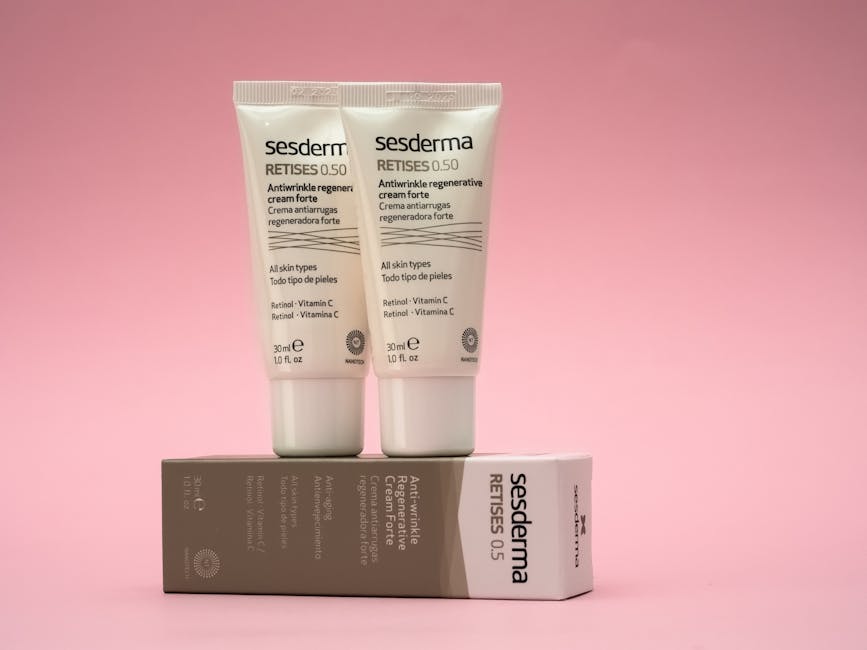
    Retinol is a vitamin A derivative that the skin converts into retinoic acid, which accelerates cell turnover and stimulates collagen. Over time this smooths texture, softens fine lines, fades dark spots, and refines pores.

    Because it works by renewing the skin from within, its effects unfold gradually. Understanding the typical timeline helps you set realistic expectations and stay consistent through the early adjustment phase.

    Retinol is one of the most studied anti-aging ingredients, which is why its month-by-month progression is fairly predictable.

    The First Weeks: Adjustment Period

    In the initial weeks, as skin adapts to faster turnover, it is common to experience dryness, flaking, or mild redness—sometimes called the retinol purge. Some people also notice temporary breakouts as clogged pores clear.

    This phase can be discouraging, but it usually settles with time, proper moisturizing, and a gradual approach. Reducing frequency if irritation flares, then building back up, helps your skin acclimate more comfortably.

    Taking a photo before you start and again at the one-month mark, in the same lighting, makes subtle progress much easier to see. Day-to-day changes are hard to notice, so this simple habit helps you recognize the improvements that motivate you.

    After One Month: Early Results

    By the end of a month, many people notice their skin looks smoother and slightly more radiant, with a refined texture. Some see early improvement in minor congestion and a more even surface.

    However, significant changes in wrinkles, firmness, and pigmentation take longer—typically three to six months. The one-month mark is best seen as a promising start rather than the full picture, so patience genuinely pays off.

    If your skin struggles during the first month, the fix is usually the routine rather than the ingredient. Lowering the concentration, using it less often, and buffering with moisturizer almost always make retinol tolerable while you build up.

    How to Use Retinol for Best Results

    Start slowly: apply a pea-sized amount to dry skin at night, two or three times a week, increasing as tolerated. Use it at night since retinol degrades in sunlight and raises sun sensitivity, and always follow with moisturizer.

    Daily sunscreen is essential while using retinol—it protects your progress and prevents irritation-related pigmentation. Avoid layering other strong actives like acids while your skin adjusts, and keep the routine simple.

    Consistency is what carries you from a promising first month to real long-term results. Building retinol into a sustainable nightly routine, rather than chasing the strongest formula, is what ultimately delivers smoother, firmer skin.

    Keeping the rest of your routine gentle while adjusting makes the transition smoother. Pausing other strong actives and focusing on hydration during the first weeks lets your skin adapt with far less dryness and irritation.

    Possible Side Effects and Precautions

    Common side effects include dryness, peeling, redness, and temporary sensitivity, especially early on. Easing in gradually, moisturizing, and reducing frequency when needed usually keeps these manageable.

    Pregnant or breastfeeding individuals should avoid retinol and other retinoids and use safe alternatives instead. If you have very sensitive skin or a skin condition, consult a dermatologist, who can recommend an appropriate strength or a gentler retinoid.

    ⚠️ Caution: Caution: Retinol increases sun sensitivity and is not recommended during pregnancy or breastfeeding—use it at night with daily sunscreen and ease in slowly to avoid irritation.

    Key Takeaways

    • Retinol renews skin gradually by boosting turnover and collagen.
    • Expect dryness or flaking in the first weeks of use.
    • After a month, look for smoother texture and a subtle glow.
    • Deeper changes in lines and tone take three to six months.
    • Use at night with sunscreen and avoid during pregnancy.

    This article is general information and does not replace professional diagnosis or treatment. Consult a qualified provider if symptoms persist.
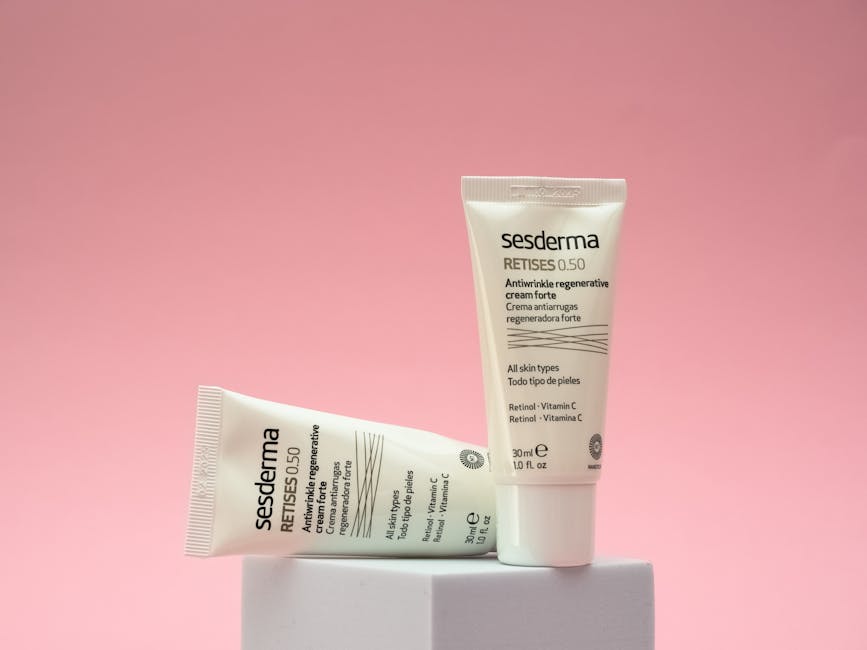
  • Retinol Skincare Tips: How to Use Retinol Products Effectively

    Retinol Skincare Tips: How to Use Retinol Products Effectively

    👉 At a glance: Retinol products combine vitamin A with soothing and hydrating ingredients to smooth texture and target aging while minimizing irritation. Using them correctly—low and slow, at night, with sunscreen—unlocks their skincare benefits.

    Understanding Retinol Products

    Retinol is a vitamin A derivative and one of the most effective anti-aging ingredients, working by boosting cell turnover and collagen to smooth texture, soften lines, and refine pores. Many modern products blend it with calming, hydrating ingredients to improve tolerability.

    Formulas that pair retinol with soothing extracts and moisturizing agents aim to deliver results with less of the dryness and irritation retinol can cause. This makes them more approachable for beginners and sensitive skin.

    Understanding how to use these products well is what determines whether you get benefits or just irritation.

    Benefits You Can Expect

    With consistent use, retinol products improve skin texture, soften fine lines, fade dark spots, and support firmness. Early benefits like a smoother, more radiant surface often appear within about a month.

    More significant anti-aging changes typically take three to six months. Formulas with added hydrating and soothing ingredients help keep skin comfortable, making it easier to stay consistent.

    Realistic expectations matter: retinol refines skin gradually rather than transforming it overnight.

    A little product goes a long way. A pea-sized amount is enough for the whole face, and using more does not improve results—it simply raises the risk of dryness and peeling. Applying it to slightly dry skin, rather than damp, also reduces irritation.

    How to Use It Effectively

    Apply a pea-sized amount to dry skin at night, starting just two or three times a week and increasing as your skin adapts. Nighttime use is important because retinol degrades in sunlight and raises sun sensitivity.

    Follow with a moisturizer to buffer dryness, and use the sandwich method (moisturizer, retinol, moisturizer) if you are sensitive. Daily sunscreen is essential to protect results and prevent irritation-related pigmentation.

    Checking the concentration helps you choose wisely. Beginners do best starting with a lower strength and working up, while those already used to retinol can tolerate higher percentages. Matching the strength to your experience prevents unnecessary irritation.

    Getting the Most from Your Product

    Introduce retinol on its own before adding other strong actives, so your skin can adjust and you can identify how it responds. Keep the rest of your routine gentle and hydrating during this period.

    Store the product in cool, dark, airtight conditions to preserve potency, since retinol degrades with light and air. Consistency over months—rather than the highest possible strength—is what delivers the best long-term results.

    Being cautious around the delicate eye area is wise, since that skin is thin and easily irritated. Keeping retinol slightly away from the immediate under-eye area at first, or using a formula made for the eyes, helps avoid stinging and excess dryness.

    Possible Side Effects and Precautions

    Common side effects include dryness, peeling, redness, and temporary sensitivity, especially early on. Easing in gradually, moisturizing, and reducing frequency when needed keeps these manageable.

    Pregnant or breastfeeding individuals should avoid retinol and other retinoids and choose safe alternatives. If you have very sensitive skin or a skin condition, consult a dermatologist for guidance on strength or a gentler retinoid.

    ⚠️ Caution: Caution: Retinol raises sun sensitivity and is not recommended during pregnancy or breastfeeding—use it at night with daily sunscreen and start slowly to prevent irritation.

    Key Takeaways

    • Retinol smooths texture and targets aging via turnover and collagen.
    • Modern formulas add soothing, hydrating ingredients for tolerability.
    • Early results appear in a month; deeper changes take three to six.
    • Use low and slow at night, moisturize, and apply daily sunscreen.
    • Avoid during pregnancy and see a dermatologist for sensitive skin.

    This article is general information and does not replace professional diagnosis or treatment. Consult a qualified provider if symptoms persist.

  • AI Automation in Everyday Life: Practical Uses and How to Start

    AI Automation in Everyday Life: Practical Uses and How to Start

    👉 At a glance: AI automation can simplify everyday life—from smart home routines and email sorting to scheduling, reminders, and personal finance. Starting small with a few practical tools saves time and reduces mental load, while staying mindful of privacy and limits.

    What Is AI Automation in Daily Life?

    AI automation uses artificial intelligence to handle repetitive or time-consuming tasks with minimal human effort. In everyday life, this ranges from smart assistants and home devices to apps that sort, schedule, and suggest on your behalf.

    Unlike simple automation that follows fixed rules, AI adapts and learns from patterns—prioritizing your email, recommending content, or adjusting your home environment. The goal is to free up time and reduce mental clutter.

    You do not need to be technical to benefit; many tools are built into devices and apps you already use.

    Practical Everyday Uses

    At home, smart assistants and devices can automate lighting, temperature, and routines—such as turning off lights at bedtime. Voice assistants handle reminders, timers, and quick questions hands-free.

    For productivity, AI can sort and summarize emails, draft messages, transcribe notes, and manage your calendar. Personal finance apps categorize spending and flag unusual charges, while AI helps plan tasks and set smart reminders.

    It helps to think in terms of time saved rather than novelty. The most valuable automations are the boring, repetitive ones you do daily—because small savings add up significantly over weeks and months.

    Getting Started with AI Tools

    Start small by identifying one or two tasks that drain your time, then find a tool designed for them. Trying a single automation before adding more prevents feeling overwhelmed.

    Many useful features are already available in smartphones, email services, and popular apps, so you can begin without buying anything new. Give each tool time to learn your patterns, and adjust settings until it genuinely fits your routine.

    Over-automating can backfire if you lose track of what is running. Keeping a simple note of your active automations makes it easier to troubleshoot when something behaves unexpectedly and to retire tools you no longer need.

    Balancing Convenience and Control

    AI automation works best as an assistant, not a replacement for your judgment. Reviewing what it does—before automatically sending, purchasing, or acting—keeps you in control and prevents mistakes.

    It also helps to periodically revisit your automations, turning off ones that no longer serve you. Keeping a human check on important decisions ensures the technology saves time without creating new problems.

    It is wise to keep a manual fallback for anything critical. If an automated reminder, backup, or payment fails silently, a simple backup habit ensures important tasks do not slip through the cracks.

    Privacy and Precautions

    AI tools often rely on your data to function, so it is worth understanding what information you share and reviewing privacy settings. Choose reputable services, limit unnecessary permissions, and be cautious with sensitive personal or financial data.

    Be aware that AI can make mistakes or reflect biases, so verify important outputs rather than trusting them blindly. Used thoughtfully—with attention to privacy and oversight—AI automation can be a genuinely helpful part of daily life.

    ⚠️ Caution: Caution: AI tools rely on your data and can make mistakes—review privacy settings, limit unnecessary permissions, and verify important outputs rather than trusting them blindly.

    Keeping a manual fallback for anything critical ensures important tasks do not slip through if an automation fails quietly.

    Key Takeaways

    • AI automation handles repetitive tasks to save time and mental load.
    • Everyday uses include smart homes, email, scheduling, and finance.
    • Start small with one or two tools before expanding.
    • Keep human oversight on important decisions and actions.
    • Mind your privacy, permissions, and the accuracy of AI outputs.

    This article is general information. Review the privacy terms of any AI tool before use.