Author: kc

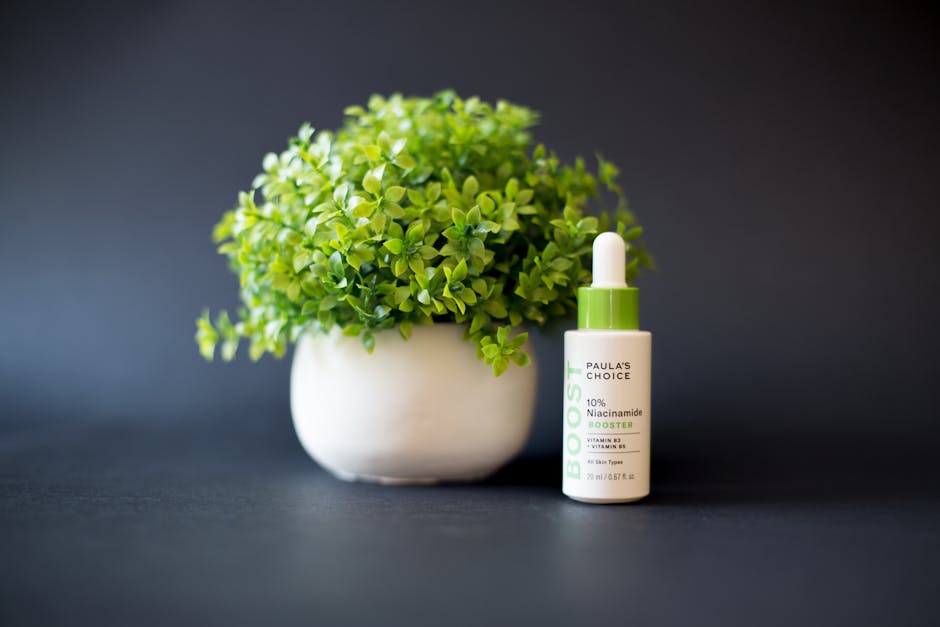
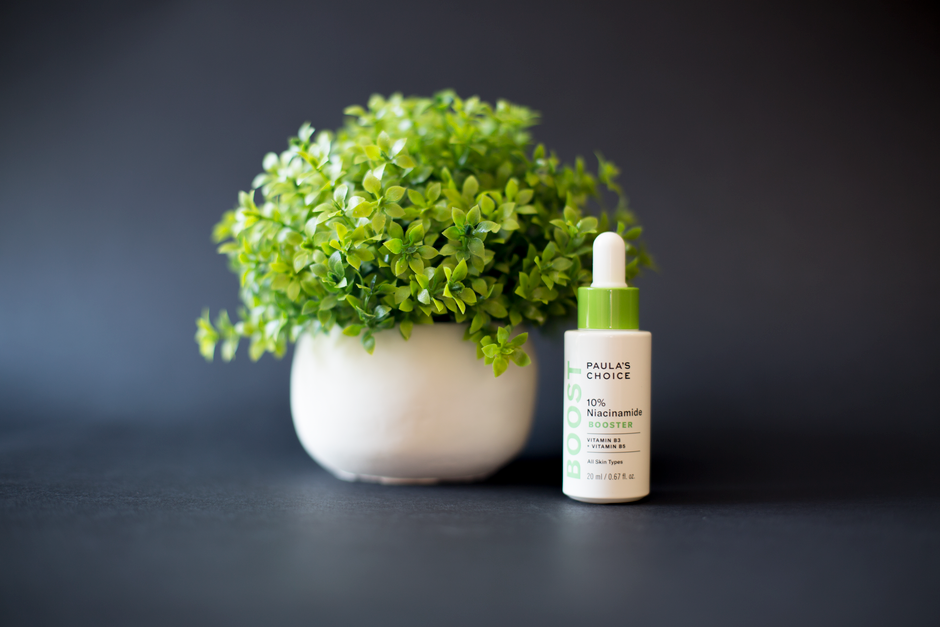
  • Niacinamide Serum: Brightening Benefits and How to Use It Properly

    Niacinamide Serum: Brightening Benefits and How to Use It Properly

    👉 At a glance: A niacinamide serum brightens skin, fades dark spots, controls oil, and strengthens the barrier. To use it properly, apply a 2–5% serum after cleansing, layer it correctly, and pair it with sunscreen for a clearer, more even complexion.

    What Is a Niacinamide Serum?

    A niacinamide serum is a lightweight, concentrated treatment featuring vitamin B3 as its star ingredient. Because serums deliver actives efficiently, they are an ideal format for getting the brightening and barrier benefits of niacinamide.

    Niacinamide is prized for being gentle yet effective, and stable enough to combine with most other ingredients. This makes a niacinamide serum one of the easiest and most versatile additions to a skincare routine.

    It suits nearly every skin type—oily, dry, combination, and sensitive—which is a big reason for its popularity.

    Brightening and Other Benefits

    The serum’s standout benefit is brightening. Niacinamide reduces the transfer of pigment to surface skin cells, gradually fading dark spots, post-acne marks, and dullness for a clearer, more even tone.

    It also calms redness, helps regulate oil, and minimizes the look of enlarged pores, while strengthening the skin barrier by boosting ceramide production. This improves overall skin quality, not just tone.

    Unlike some brighteners, niacinamide does not increase sun sensitivity, making it a low-risk, everyday choice.

    A little goes a long way. A few drops cover the whole face; using too much does not improve results and can leave a tacky residue that interferes with products layered on top.

    How to Use It Properly

    Choose a serum with 2% to 5% niacinamidehigher concentrations offer little extra benefit and can irritate. After cleansing and toning, apply a few drops to slightly damp skin, pressing it in gently, before heavier creams.

    Use it once or twice daily. In the morning, follow with moisturizer and sunscreen; at night, it layers well before your moisturizer. Consistency is essential, as visible brightening usually takes four to eight weeks of regular use.

    Storing your serum away from heat and direct light helps preserve its effectiveness. While niacinamide is relatively stable, keeping products in a cool, shaded spot protects the whole formula and extends its useful life.

    Layering with Other Ingredients

    Niacinamide is famously compatible. It pairs well with hyaluronic acid for hydration, with retinol to help buffer dryness, and—contrary to an outdated myth—with modern stabilized vitamin C for layered brightening.

    When combining actives, introduce one new product at a time so you can identify what works and avoid overwhelming your skin. Keeping the routine simple produces better results than piling on many strong products at once.

    Give any new serum a fair trial before judging it. Because skin renews over several weeks, meaningful changes take at least a month or two of consistent use—switching products too quickly makes it hard to know what works.

    A little product goes a long way, so a few drops are enough for the whole face. Using more will not speed up results and can leave a tacky finish that interferes with the moisturizer or sunscreen on top.

    Possible Side Effects and Precautions

    Niacinamide is very well tolerated, but higher concentrations can cause temporary flushing, tingling, or mild irritation in sensitive individuals. Dropping to a lower percentage usually resolves this quickly.

    Patch-test new products, especially if your skin reacts easily, and ease the serum in alongside other actives. If irritation persists or you have a specific concern, consult a dermatologist rather than continuing through discomfort.

    ⚠️ Caution: Caution: Niacinamide is gentle, but higher-strength serums can cause flushing—patch-test first and reduce concentration or frequency if your skin becomes irritated.

    Key Takeaways

    • A niacinamide serum brightens, controls oil, and repairs the barrier.
    • It fades dark spots without increasing sun sensitivity.
    • Use a 2–5% serum after cleansing, once or twice daily.
    • Layer well with hyaluronic acid, retinol, and modern vitamin C.
    • Patch-test and scale back if you notice flushing or irritation.

    This article is general information and does not replace professional diagnosis or treatment. Consult a qualified provider if symptoms persist.


  • How to Choose the Right Cosmetics: 5 Tips for Your Skin Concerns

    How to Choose the Right Cosmetics: 5 Tips for Your Skin Concerns

    👉 At a glance: Choosing the right cosmetics starts with knowing your skin type and concerns, reading ingredient labels, patch-testing, and introducing products slowly. Matching products to your needs—not marketing hype—solves skin concerns more effectively.

    Why Choosing the Right Products Matters

    The market is crowded with products promising dramatic results, but the right choice depends entirely on your individual skin. Using products mismatched to your skin type can waste money and even worsen problems.

    Effective skincare is less about buying more and more about buying wisely. A few well-matched products used consistently outperform a cabinet full of trendy items that fight each other or irritate your skin.

    These five practical tips help you cut through marketing and choose cosmetics that genuinely address your concerns.

    Tip 1: Know Your Skin Type and Concerns

    Start by identifying whether your skin is oily, dry, combination, or sensitive, and pinpoint your main concerns—acne, dryness, dark spots, aging, or redness. This foundation guides every other decision.

    For example, oily, acne-prone skin benefits from lightweight, non-comedogenic formulas, while dry skin needs richer, more hydrating products. Choosing based on your actual skin rather than a friend’s recommendation prevents most mismatches.

    Tip 2: Read Ingredient Labels

    Learning a few key ingredients pays off. Look for hydrators like hyaluronic acid and glycerin, brighteners like niacinamide and vitamin C, and barrier-supporting ceramides, matched to your goals.

    Be mindful of potential irritants such as high levels of fragrance, alcohol, or strong actives if your skin is sensitive. The ingredient list tells you far more than the claims on the front of the package.

    Tip 3 and 4: Patch-Test and Introduce Slowly

    Always patch-test a new product on a small area, like the inner forearm or behind the ear, for a day or two before applying it to your face. This catches reactions before they become a full-face problem.

    Introduce one new product at a time and give it several weeks. Adding multiple products at once makes it impossible to know what is helping or causing irritation, and overwhelming the skin can trigger breakouts.

    It also helps to check expiration dates and how long a product lasts once opened. Expired products can lose effectiveness or irritate the skin, so buying only what you will realistically use avoids waste.

    Tip 5: Do Not Fall for Hype

    Expensive or heavily marketed does not mean better. Many effective ingredients are found in affordable products, and celebrity endorsements or trendy packaging say nothing about how a product will work for your skin.

    Focus on proven ingredients and your own results rather than reviews from people with different skin. Building a simple, consistent routine around what genuinely works for you is the smartest long-term strategy.

    Your skin’s needs change with age, season, and hormones, so the right products today may not suit you next year. Reassessing your routine periodically—especially when your skin behaves differently—keeps it working for your current concerns.

    Possible Side Effects and Precautions

    Even well-chosen products can occasionally cause irritation, redness, or breakouts, particularly with active ingredients or sensitive skin. Patch-testing and slow introduction minimize these risks.

    If a product causes persistent irritation, stop using it. For ongoing or severe skin concerns—such as stubborn acne, rashes, or reactionsconsult a dermatologist, who can recommend products suited to your specific skin.

    ⚠️ Caution: Caution: Patch-test every new product and introduce one at a time; stop anything that causes persistent irritation and see a dermatologist for ongoing or severe skin concerns.

    Key Takeaways

    • Choose products based on your skin type and specific concerns.
    • Read ingredient labels rather than trusting front-of-package claims.
    • Patch-test new products and introduce them one at a time.
    • Don’t equate price or hype with effectiveness.
    • Stop irritating products and see a dermatologist when needed.

    This article is general information and does not replace professional diagnosis or treatment. Consult a qualified provider if symptoms persist.

  • Relieving Menopausal Symptoms: Supplements, Diet, and Lifestyle Tips

    Relieving Menopausal Symptoms: Supplements, Diet, and Lifestyle Tips

    👉 At a glance: Menopausal symptoms like hot flashes, mood changes, and sleep issues can be eased through lifestyle, diet, and supplements such as those containing phytoestrogens. Supplements may help mild symptoms, but persistent or severe issues deserve medical guidance.

    Understanding Menopausal Symptoms

    Menopause marks the natural end of menstrual cycles, driven by declining estrogen. This hormonal shift can bring hot flashes, night sweats, mood swings, sleep disturbances, fatigue, and changes in skin and bone health.

    Symptoms and their intensity vary widely from person to person and can last for years around the transition. Understanding that these changes are a normal phase of life helps in approaching them calmly and proactively.

    A combination of lifestyle adjustments, diet, and—where appropriate—supplements or medical treatment can make this transition more comfortable.

    How Supplements May Help

    Supplements marketed for menopause often contain phytoestrogens—plant compounds like isoflavones (from soy or red clover) that weakly mimic estrogen and may ease mild hot flashes for some. Others include black cohosh, traditionally used for menopausal symptoms.

    Additional supportive nutrients include calcium and vitamin D for bone health, magnesium for sleep and mood, and omega-3s for overall wellbeing. These address the broader health changes that accompany menopause, not just symptoms.

    It is important to note that supplement evidence is mixed and effects are individual—they may offer modest relief for mild symptoms but are not guaranteed solutions.

    Bone health deserves special attention, since falling estrogen accelerates bone loss. Weight-bearing exercise, adequate calcium and vitamin D, and—where advised—bone density screening help protect against osteoporosis.

    Lifestyle Strategies for Relief

    Lifestyle changes are a powerful, low-risk starting point. Regular exercise supports mood, sleep, weight, and bone strength, while a balanced diet rich in vegetables, whole grains, and calcium supports overall health during the transition.

    Managing triggers for hot flashes—such as caffeine, alcohol, spicy foods, and stress—can reduce their frequency. Dressing in layers, keeping the bedroom cool, and practicing relaxation all help with comfort and sleep.

    Supporting Sleep and Mood

    Sleep disturbances and mood changes are common and interconnected. Keeping a consistent sleep schedule, limiting screens before bed, and a cool, calming bedroom improve rest, which in turn supports mood.

    Stress-reduction practices like mindfulness, gentle yoga, and staying socially connected help with emotional ups and downs. If low mood becomes persistent or severe, it is important to seek support rather than dismissing it as just part of menopause.

    Because supplement quality and dosing vary, choosing reputable, third-party-tested products is wise if you and your provider decide to try one. Keeping a symptom diary can help you and your doctor judge whether an approach is genuinely helping.

    Possible Side Effects and Precautions

    Menopause supplements are not risk-free. Phytoestrogens and herbs like black cohosh can interact with medications or be unsuitable for those with certain conditions, including a history of hormone-sensitive cancers.

    Because of these risks, anyone considering supplements—or experiencing significant symptoms—should consult a healthcare provider, who can discuss options including hormone therapy and rule out other causes. Do not self-treat severe or persistent symptoms without professional input.

    ⚠️ Caution: Caution: Menopause supplements like phytoestrogens and black cohosh can interact with medications and may be unsafe with hormone-sensitive conditions—consult a healthcare provider before use.

    Key Takeaways

    • Menopause brings symptoms like hot flashes, mood, and sleep changes.
    • Phytoestrogen supplements may modestly ease mild symptoms for some.
    • Calcium, vitamin D, and magnesium support bone, sleep, and mood.
    • Exercise, a balanced diet, and trigger management help a lot.
    • Consult a provider for supplements or significant symptoms.

    This article is general information and does not replace professional diagnosis or treatment. Consult a qualified provider if symptoms persist.
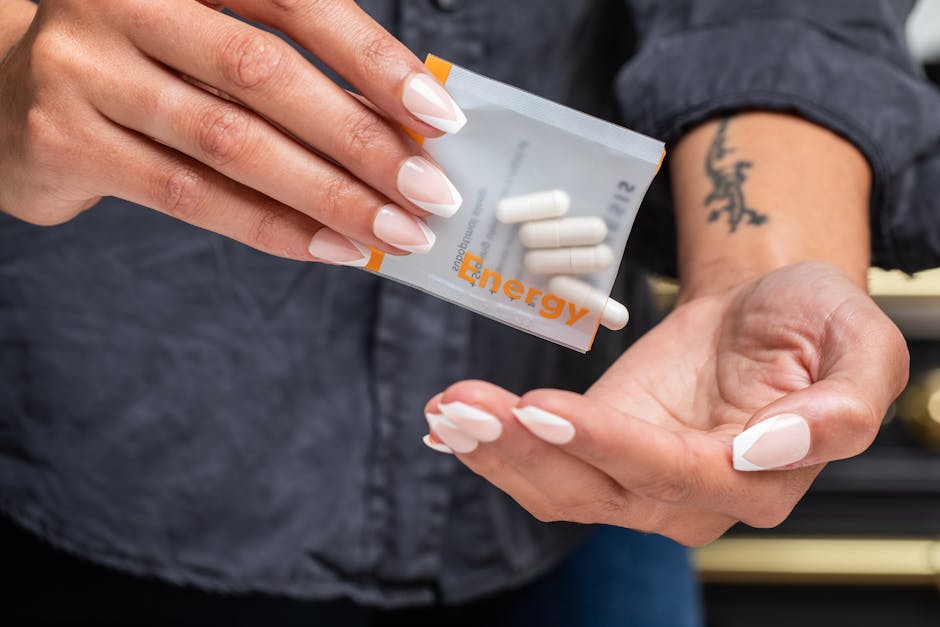
  • Choosing Probiotics for Baby Gut Health: A Parent’s Guide

    Choosing Probiotics for Baby Gut Health: A Parent’s Guide

    👉 At a glance: Choosing a probiotic for a baby’s gut health means picking infant-specific strains, appropriate formats, and quality products—always with a pediatrician’s guidance. The right probiotic may support digestion and comfort, but professional advice comes first.

    Why Gut Health Matters for Babies

    A baby’s gut microbiome develops rapidly in the early months and plays a role in digestion, immune development, and overall health. A balanced gut can support comfortable digestion and fewer tummy troubles.

    Factors like birth method, feeding, and antibiotic use influence this developing microbiome. For some infants, probiotics are considered to help support gut balance, particularly in specific situations discussed with a doctor.

    Because babies are so sensitive, decisions about probiotics should always involve a pediatrician rather than being made independently.

    When Probiotics May Be Considered

    Pediatricians sometimes suggest probiotics for issues like colic, digestive discomfort, or after a course of antibiotics. Certain strains have been studied for reducing crying time in colicky infants, for example.

    However, probiotics are not necessary for every baby, and healthy infants often develop a robust microbiome naturally through feeding, especially breastfeeding. The decision depends on the individual child’s needs.

    This is why the first step is always a conversation with your child’s doctor, who can advise whether a probiotic is appropriate.

    What to Look for in a Baby Probiotic

    Choose products formulated specifically for infants, with strains studied in babies—such as certain Lactobacillus and Bifidobacterium species. Infant formats include drops, which are easy to give, and powders that mix into milk.

    Look for clear labeling of the strain and the number of live cultures (CFUs), a reputable manufacturer, and appropriate storage requirements. Avoid products with unnecessary additives, sweeteners, or ingredients not meant for infants.

    Consistency helps if a probiotic is recommended—giving it at the same time each day, such as with a particular feeding, makes it easier to remember. Skipping days sporadically reduces any potential benefit.

    How to Give Probiotics Safely

    Follow the product instructions and your pediatrician’s guidance on dosage and timing. Drops can often be placed directly in the baby’s mouth or added to milk; check whether it needs refrigeration to stay effective.

    Introduce a probiotic gradually and watch how your baby responds. Give it time, and keep the pediatrician informed, especially if you are addressing a specific concern like colic or post-antibiotic recovery.

    It is worth remembering that breast milk itself supports a healthy infant microbiome, supplying beneficial bacteria and prebiotics. For many babies, supporting feeding and general health does more than any supplement, which is why probiotics are a targeted tool rather than a routine necessity.

    Possible Side Effects and Precautions

    Probiotics are generally considered safe for healthy babies, but some may experience temporary gas, fussiness, or changes in stool as their gut adjusts. These usually settle, but any strong reaction warrants stopping and consulting the doctor.

    Premature infants or babies with serious medical conditions or weakened immunity should only use probiotics under close medical supervision, as risks can be higher. Never use adult probiotics for a baby, and always prioritize your pediatrician’s advice.

    ⚠️ Caution: Caution: Always consult your pediatrician before giving a baby probiotics—never use adult products, and premature or medically fragile infants need close medical supervision.

    Keeping a simple log of feeding, stools, and mood helps you and your pediatrician objectively judge whether a probiotic is making a difference.

    Key Takeaways

    • A baby’s gut microbiome supports digestion and immune development.
    • Probiotics may help colic or post-antibiotic recovery in some infants.
    • Choose infant-specific strains and formats from reputable brands.
    • Follow pediatrician guidance on dosage, timing, and storage.
    • Consult your doctor first and never use adult probiotics for babies.

    This article is general information and does not replace professional diagnosis or treatment. Consult a qualified provider if symptoms persist.
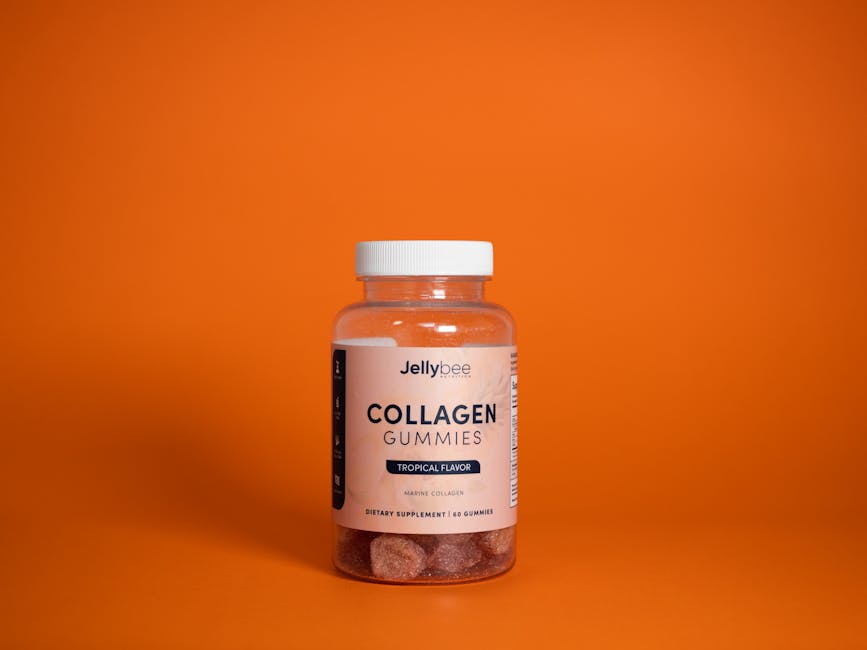
  • Boost Your Immunity: 5 Effective Supplements and Lifestyle Habits

    Boost Your Immunity: 5 Effective Supplements and Lifestyle Habits

    👉 At a glance: Boosting immunity combines five effective supplements—vitamin D, vitamin C, zinc, probiotics, and omega-3s—with lifestyle habits like sleep, exercise, and stress control. Together they help your body defend and recover more effectively.

    How to Support Your Immune System

    A strong immune system is the product of consistent healthy habits supported, where needed, by targeted supplements. Rather than seeking a single boost, the goal is to give the body the nutrients and conditions it needs to function well.

    Supplements are most useful for correcting deficiencies and offering support during high-risk seasons. They work best layered on top of good sleep, nutrition, and activity—never as a replacement for them.

    Below are five well-regarded supplements and the lifestyle habits that make the biggest difference.

    5 Effective Immune-Support Supplements

    Vitamin D tops the list because deficiency is common and it plays a key role in immune regulation; a daily supplement suits many people, especially in winter. Vitamin C supports immune cells and acts as an antioxidant.

    Zinc can shorten a cold’s duration when taken early, and probiotics support the gut, where much of the immune system resides. Omega-3 fatty acids offer anti-inflammatory benefits that support overall immune and general health.

    Target the ones you are most likely to need—often vitamin D—rather than taking high doses of everything at once.

    Hydration and sunlight deserve mention too. Drinking enough water keeps mucous membranes—an early barrier against infection—working well, while sensible sun exposure supports natural vitamin D production in warmer months.

    Lifestyle Habits That Strengthen Immunity

    Quality sleep of seven to nine hours is one of the most powerful immune supports, allowing the body to repair and regulate itself. Regular moderate exercise improves circulation and immune surveillance.

    Managing stress prevents the prolonged cortisol elevation that can suppress immunity, and not smoking plus limiting alcohol protects immune function. These habits form the foundation that supplements build upon.

    Consistency ties everything together. Immune support is not something to scramble for at the first sign of a cold; steady daily habits and ongoing supplementation build resilience that a last-minute effort simply cannot.

    A Nutrient-Rich Diet

    Food is the best source of immune-supporting nutrients. A colorful diet full of vegetables and fruit supplies vitamins C and A and antioxidants, while adequate protein provides building blocks for immune cells and antibodies.

    Fermented foods like yogurt and kimchi support gut health, and whole grains, nuts, and seeds add zinc and selenium. Staying hydrated keeps every system, including immunity, functioning smoothly.

    Choosing quality products matters. Look for third-party testing or recognized certifications so you know the supplement contains the stated dose without contaminants, which helps you avoid wasting money on ineffective formulas.

    Possible Side Effects and Precautions

    More is not better with supplements: excess vitamin C upsets the stomach, prolonged high-dose zinc depletes copper, and fat-soluble vitamins like D can accumulate to harmful levels. Stick to recommended amounts.

    Supplements can interact with medications and are not right for everyone. If you are pregnant, breastfeeding, taking prescriptions, or managing a condition, consult a healthcare provider before starting, and see a doctor for persistent illness.

    ⚠️ Caution: Caution: Avoid high-dose supplement stacking—excess zinc or fat-soluble vitamins can harm—and consult a provider before supplementing if pregnant, medicated, or managing a condition.

    Consistency ties everything together, since steady daily habits build far more resilience than a last-minute scramble at the first sign of a cold.

    Key Takeaways

    • Immunity depends on habits supported by targeted supplements.
    • Vitamin D, vitamin C, zinc, probiotics, and omega-3s are top picks.
    • Prioritize sleep, exercise, and stress management.
    • Eat a varied, nutrient-rich diet and stay hydrated.
    • Avoid megadoses and consult a provider about interactions.

    This article is general information and does not replace professional diagnosis or treatment. Consult a qualified provider if symptoms persist.

  • Edible Collagen Guide: Benefits, Types, and Ingredients

    Edible Collagen Guide: Benefits, Types, and Ingredients

    👉 At a glance: Edible collagen supplements supply amino acids that support skin, joints, hair, and nails. Hydrolyzed collagen peptides are the most absorbable form, and you can also support collagen naturally through protein, vitamin C, and a healthy diet.

    What Is Edible Collagen?

    Edible collagen refers to collagen taken as a supplement or through food to support the body from within. Collagen is the most abundant protein in the body, forming the structure of skin, joints, bones, hair, and nails.

    Because natural collagen production declines with age, many people turn to supplements to help maintain skin elasticity and joint comfort. Edible collagen typically comes as powders, capsules, or drinks derived from animal or marine sources.

    It complements topical skincare by supporting the body’s deeper structures rather than just the skin’s surface.

    Types and Ingredients

    Most supplements use hydrolyzed collagen, or collagen peptides—collagen broken into small fragments that dissolve easily and absorb well. This form is favored because the body can readily use its amino acids.

    Collagen is often classified by type: types I and III are associated with skin, hair, and nails, while type II relates more to joints and cartilage. Skin-focused products usually emphasize types I and III, so checking the label helps match the product to your goal.

    Many formulas add vitamin C, which is essential for the body’s own collagen synthesis, along with hyaluronic acid or biotin for extra skin and hair support.

    Benefits of Edible Collagen

    The best-supported benefits relate to skin: studies on collagen peptides show improvements in skin hydration and elasticity with consistent use. Many people also take collagen to support joint comfort and the health of hair and nails.

    Because collagen provides amino acids like glycine and proline, it contributes to the body’s protein needs and tissue maintenance. While not a miracle cure, the evidence for skin hydration and elasticity is among the more promising in the supplement world.

    Protecting the collagen you already have is just as important as supplementing. Daily sunscreen, not smoking, and limiting excess sugar all prevent collagen breakdown, so these habits amplify whatever benefit a supplement provides.

    How to Take It and Food Sources

    A common dose is about 2.5 to 10 grams of collagen peptides daily, mixed into water, coffee, or smoothies, or taken as capsules. Consistency matters—allow 8 to 12 weeks before assessing results, and pair it with a vitamin C source.

    You can also support collagen through food: bone broth, and protein-rich foods like fish, chicken, eggs, and dairy provide building blocks, while vitamin C–rich produce (citrus, peppers, berries) fuels your body’s own collagen production.

    Vegetarians and vegans should note that true collagen comes from animals, so plant-based collagen products instead provide nutrients that support the body’s own collagen synthesis rather than collagen itself. Reading labels carefully avoids confusion.

    Possible Side Effects and Precautions

    Collagen supplements are generally very well tolerated, with occasional mild digestive effects like fullness or bloating. Since collagen is often sourced from fish, bovine, or porcine sources, those with related allergies should check labels.

    Quality varies, so choose reputable brands with transparent sourcing and testing. If you are pregnant, breastfeeding, or have a medical condition, consult a provider before starting, and remember supplements complement a balanced diet rather than replacing it.

    ⚠️ Caution: Caution: Check the collagen source if you have fish or animal-product allergies, and consult a healthcare provider before use if pregnant, breastfeeding, or managing a condition.

    Protecting the collagen you already have—through sunscreen and not smoking—is just as important as any supplement you add.

    Key Takeaways

    • Edible collagen supports skin, joints, hair, and nails from within.
    • Hydrolyzed peptides (types I and III for skin) absorb best.
    • Evidence supports improved skin hydration and elasticity.
    • Take 2.5–10 g daily with vitamin C; allow 8–12 weeks.
    • Check sourcing for allergies and consult a provider if needed.

    This article is general information and does not replace professional diagnosis or treatment. Consult a provider before starting supplements.

  • Kidney Health Nutrients: Essential Diet and Management Tips

    Kidney Health Nutrients: Essential Diet and Management Tips

    👉 At a glance: Kidney health depends on the right balance of nutrients—controlled sodium, adequate hydration, and mindful protein, potassium, and phosphorus—plus management of blood pressure and blood sugar. A kidney-friendly diet, guided by your doctor, protects long-term function.

    The Kidneys and Nutrition

    The kidneys filter waste, balance minerals and fluid, and help regulate blood pressure. What you eat directly affects how hard they must work, which is why nutrition is central to protecting them.

    For healthy kidneys, a generally balanced, lower-sodium diet is protective. For those with existing kidney concerns, specific nutrients—protein, potassium, phosphorus—may need careful management under medical guidance.

    Understanding which nutrients matter most helps you make choices that ease the burden on these vital organs.

    Key Nutrients to Manage

    Sodium is the biggest lever: excess sodium raises blood pressure and makes the kidneys work harder, so limiting processed and packaged foods is one of the most effective steps. Cooking at home gives you control over salt.

    Protein is essential, but very high intake can strain compromised kidneys; moderate, quality protein is usually best. For people with kidney disease, potassium and phosphorus may also need limiting, as impaired kidneys struggle to clear them—this requires professional guidance.

    Portion awareness helps even with healthy foods. Some nutritious items, like bananas, potatoes, and dairy, are high in potassium or phosphorus, so people with reduced kidney function may need to moderate them—another reason individualized guidance matters.

    Kidney-Friendly Foods

    A kidney-supportive diet emphasizes fresh vegetables and fruit, whole grains, and healthy fats, with minimal processed food. Foods like berries, apples, and certain vegetables provide antioxidants without excessive minerals.

    Fish and other lean proteins in appropriate amounts supply nutrients while keeping the workload manageable. Staying hydrated with water helps the kidneys flush waste, though fluid needs can differ for those with advanced kidney disease.

    Reading nutrition labels becomes a valuable habit, since sodium and phosphorus additives hide in many processed foods under names that are easy to miss. Learning to spot them puts you in control of your intake.

    Daily Management Tips

    Beyond diet, controlling blood pressure and blood sugar is crucial, since hypertension and diabetes are the leading causes of kidney damage. Regular exercise, a healthy weight, and not smoking all support kidney function.

    Avoid the frequent, unsupervised use of NSAID painkillers, which can harm the kidneys over time, and review any supplements with your doctor. Consistent, moderate habits protect the kidneys far better than occasional intense efforts.

    If you have been diagnosed with kidney concerns, working with a registered dietitian who specializes in kidney health can make a real difference. They can build a personalized eating plan that balances nutrition with the specific limits your kidneys require.

    Possible Risks and When to See a Doctor

    Because kidney disease often develops silently, regular checkups with blood and urine tests are the best way to catch problems early—especially with risk factors like diabetes, high blood pressure, or family history.

    Warning signs such as swelling, changes in urination, foamy urine, or persistent fatigue warrant evaluation. Those with kidney disease should never adjust their diet dramatically or take new supplements without medical advice, as nutrient needs can be very specific.

    ⚠️ Caution: Caution: People with kidney disease have specific nutrient needs—never make major diet changes or take new supplements without medical guidance, and get regular checkups if you have risk factors.

    Key Takeaways

    • Nutrition directly affects how hard your kidneys must work.
    • Limit sodium and keep protein moderate and high-quality.
    • Emphasize fresh produce, whole grains, and adequate hydration.
    • Control blood pressure and blood sugar and avoid painkiller overuse.
    • Get regular checkups and follow medical guidance for kidney disease.

    This article is general information and does not replace professional diagnosis or treatment. Consult a qualified provider if symptoms persist.

  • Best Skincare Ingredients: A Complete Guide to Products and Benefits

    Best Skincare Ingredients: A Complete Guide to Products and Benefits

    👉 At a glance: The best skincare products are chosen by ingredient, not hype. Core ingredients—cleansers, hyaluronic acid, niacinamide, retinol, vitamin C, and sunscreen—address hydration, tone, aging, and protection for healthy skin at any age.

    Building Healthy Skin from Ingredients

    Great skincare is about matching proven ingredients to your skin’s needs, then using them consistently. Rather than chasing trends, focusing on a handful of well-studied ingredients gives reliable, lasting results.

    A complete routine addresses cleansing, hydration, targeted treatment, and sun protection. Understanding what each ingredient does helps you build a routine that works and avoid wasting money on products that overlap or conflict.

    The ingredients below form the foundation of most effective skincare routines.

    Hydration and Barrier Ingredients

    Hyaluronic acid is a powerful humectant that draws water into the skin, plumping it and softening fine lines. It suits all skin types and works best applied to slightly damp skin under a moisturizer.

    Ceramides and glycerin strengthen and support the skin barrier, locking in moisture and improving resilience. A good moisturizer containing these keeps skin comfortable, balanced, and better able to tolerate active ingredients.

    These ingredients work well together when introduced thoughtfully. A common approach is vitamin C in the morning and retinol at night, with niacinamide usable at either time—giving round-the-clock benefits without conflict.

    Brightening and Anti-Aging Ingredients

    Niacinamide (vitamin B3) is a gentle multitasker that brightens tone, controls oil, minimizes pores, and reinforces the barrier, making it a great everyday choice. Vitamin C adds antioxidant protection and supports collagen for a brighter complexion.

    Retinol is the gold-standard anti-aging ingredient, boosting cell turnover and collagen to smooth texture and soften lines. Introduce it slowly at night, and pair it with moisturizer and daytime sunscreen to manage its potential for dryness.

    Reapplication is the step most people skip. Sunscreen wears off through the day, so reapplying every couple of hours during sustained sun exposure—using a mist or stick over makeup—keeps protection effective rather than just morning-deep.

    Sun Protection Is Essential

    Sunscreen is the single most important skincare product. Daily broad-spectrum protection of SPF 30 or higher prevents UV damage, premature aging, dark spots, and skin cancer risk.

    Choose a formula you enjoy wearing—lightweight for oily skin, more hydrating for dry skin, mineral for sensitive skin—so you apply it every day. No anti-aging product delivers as much benefit as consistent sun protection.

    Keep your routine realistic. A simple lineup you use every day beats an elaborate ten-step routine you abandon after a week. Consistency with a few good products is what actually produces healthy skin over time.

    Possible Side Effects and Precautions

    Active ingredients like retinol, acids, and high-strength vitamin C can cause dryness, redness, or irritation, especially when introduced too quickly or layered together. Ease them in one at a time and moisturize well.

    Patch-test new products, particularly with sensitive skin, and simplify your routine if irritation occurs. Pregnant or breastfeeding individuals should avoid certain ingredients like retinoids, and anyone with persistent concerns should consult a dermatologist.

    ⚠️ Caution: Caution: Introduce active ingredients one at a time to avoid irritation, patch-test new products, and consult a dermatologist for persistent concerns or before using retinoids during pregnancy.

    A simple lineup you use every day will always outperform an elaborate routine you abandon, so keep it manageable and consistent.

    Key Takeaways

    • Choose skincare by proven ingredients, not marketing hype.
    • Use hyaluronic acid, ceramides, and glycerin for hydration and barrier.
    • Add niacinamide, vitamin C, and retinol for tone and aging.
    • Daily broad-spectrum sunscreen is the most important step.
    • Introduce actives slowly, patch-test, and see a dermatologist if needed.

    This article is general information and does not replace professional diagnosis or treatment. Consult a qualified provider if symptoms persist.

  • Collagen Supplements: Effects, Types, and Key Ingredients

    Collagen Supplements: Effects, Types, and Key Ingredients

    👉 At a glance: Collagen supplements provide amino acids that support skin elasticity, hydration, joints, and hair. Understanding the effects, collagen types, and added ingredients like vitamin C helps you choose a product that matches your goals.

    What Are Collagen Supplements?

    Collagen supplements deliver collagen protein—usually as hydrolyzed peptides—to support the body’s connective tissues. Collagen is the main structural protein in skin, joints, bones, and hair, and its production naturally declines with age.

    By supplying amino acids and peptides, these supplements aim to support skin firmness, joint comfort, and overall tissue health. They come as powders, capsules, and drinks derived from bovine, porcine, or marine sources.

    Hydrolyzed collagen is favored because breaking collagen into small fragments makes it far more absorbable than intact collagen.

    Effects and Benefits

    The most researched benefits relate to skin. Studies on collagen peptides show improvements in hydration and elasticity with consistent daily use, which can make skin look plumper and more supple.

    Many people also take collagen for joint comfort and to support hair and nail strength. Because it contributes amino acids like glycine and proline, collagen supports the body’s broader protein and tissue needs.

    Results are gradual rather than instant, typically becoming noticeable after 8 to 12 weeks of regular use.

    Collagen Types and Key Ingredients

    Collagen is classified into types: types I and III support skin, hair, and nails, while type II is associated with joints and cartilage. Skin-focused products emphasize types I and III, so matching the type to your goal is helpful.

    Quality formulas often add complementary ingredients. Vitamin C is essential for the body’s own collagen synthesis, while hyaluronic acid supports hydration and biotin supports hair and nails.

    Checking the label for the collagen type, source, and supporting ingredients helps you pick a product suited to what you want to achieve.

    Marine collagen is often highlighted for its small peptide size and good absorption, while bovine collagen is widely available, cost-effective, and provides types I and III. Neither is clearly superior, so choose based on your dietary preferences, allergies, and budget.

    How to Take Collagen

    A common daily dose is 2.5 to 10 grams of collagen peptides, easily mixed into water, coffee, or smoothies, or taken as capsules. Consistency matters most—take it daily and allow two to three months to judge results.

    Pairing collagen with a vitamin C source supports your body’s own collagen production, and combining it with a protein-adequate diet and sun protection maximizes benefits for skin and tissues.

    Be cautious of exaggerated marketing. Collagen can genuinely improve skin hydration and elasticity, but no supplement erases wrinkles or replaces sun protection. Viewing it as one supportive element of a broader routine keeps expectations realistic.

    Possible Side Effects and Precautions

    Collagen supplements are generally very safe, with occasional mild digestive effects like fullness or bloating. Since collagen is derived from fish or animals, those with related allergies should check the source on the label.

    Quality and purity vary, so choose reputable brands with transparent sourcing and third-party testing. If you are pregnant, breastfeeding, or managing a health condition, consult a provider first, and treat collagen as a complement to—not a substitute for—a balanced diet.

    ⚠️ Caution: Caution: Check the collagen source if you have fish or animal-product allergies, and consult a healthcare provider before use if pregnant, breastfeeding, or managing a condition.

    Being skeptical of exaggerated marketing helps, since collagen supports skin genuinely but cannot erase wrinkles or replace sun protection.

    Key Takeaways

    • Collagen supplements support skin, joints, hair, and nails.
    • Hydrolyzed peptides are the most absorbable form.
    • Types I and III target skin; type II targets joints.
    • Take 2.5–10 g daily with vitamin C; allow 8–12 weeks.
    • Check sourcing for allergies and choose tested, reputable brands.

    This article is general information and does not replace professional diagnosis or treatment. Consult a provider before starting supplements.

  • Niacinamide Serum Review: Brightening Effects and How to Use It

    Niacinamide Serum Review: Brightening Effects and How to Use It

    👉 At a glance: Niacinamide serums are reviewed favorably for gradually brightening skin, fading dark spots, and controlling oil with minimal irritation. Realistic results appear over four to eight weeks of consistent use at a 2–5% concentration.

    What to Expect from a Niacinamide Serum

    Niacinamide serums have earned strong reviews for delivering visible brightening without the harshness of many actives. As a form of vitamin B3, niacinamide is gentle, stable, and suitable for nearly all skin types.

    The appeal is its combination of benefits: it evens tone, controls oil, minimizes pores, and strengthens the skin barrier. This makes it a reliable everyday serum rather than a one-trick product.

    Setting realistic expectations is key—the improvements are steady and cumulative rather than dramatic and instant.

    The Brightening Effects

    The main draw is brightening. Niacinamide reduces the transfer of pigment to surface skin cells, which gradually fades dark spots, post-acne marks, and general dullness for a clearer, more even complexion.

    It also calms redness and blotchiness, contributing to a smoother, more luminous look. Because niacinamide does not increase sun sensitivity, it is a low-risk way to work toward brighter skin—provided you pair it with sunscreen.

    Most reviewers notice meaningful tone improvement after four to eight weeks of consistent use.

    A little product goes a long way—a few drops cover the whole face, and using more will not speed up results. Overapplying can leave a tacky finish that interferes with the moisturizer or sunscreen on top.

    How to Use It for Best Results

    Choose a serum with 2% to 5% niacinamide; higher percentages offer little added benefit and can irritate. Apply a few drops after cleansing and toning, before heavier creams, once or twice daily.

    In the morning, follow with moisturizer and sunscreen; at night, layer it before your moisturizer. Consistency is essential, so build it into your routine and give it time rather than switching products too soon.

    Texture and formulation matter for daily wear. A lightweight, quickly absorbed serum layers smoothly, while thicker or sticky formulas can feel unpleasant. Trying a small size first helps you find one that fits comfortably.

    Combining with Other Products

    Niacinamide is highly compatible. It pairs well with hyaluronic acid for hydration, with retinol to help offset dryness, and—despite an outdated myth—with modern stabilized vitamin C for layered brightening.

    When adding actives, introduce one new product at a time so you can tell what works and avoid overwhelming your skin. A simple, consistent routine produces better results than stacking many strong products at once.

    Judging a serum fairly takes patience. Because skin renews over several weeks, meaningful changes need at least a month or two of use—abandoning a product early makes it impossible to know whether it would have worked.

    Storing your serum away from heat and direct light helps preserve its effectiveness. While niacinamide is relatively stable, keeping products in a cool, shaded spot protects the whole formula and extends its life.

    Possible Side Effects and Precautions

    Niacinamide is among the best-tolerated actives, but higher concentrations can cause temporary flushing, tingling, or mild irritation in sensitive individuals. Dropping to a lower percentage usually resolves this.

    Patch-test new products, especially if your skin reacts easily, and ease the serum in gradually. If irritation persists or you have a specific concern, consult a dermatologist rather than continuing through discomfort.

    ⚠️ Caution: Caution: Niacinamide is gentle, but higher-strength serums can cause flushing—patch-test first and lower the concentration or frequency if your skin becomes irritated.

    Key Takeaways

    • Niacinamide serums brighten tone with minimal irritation.
    • They fade dark spots without increasing sun sensitivity.
    • Use a 2–5% serum once or twice daily and pair with sunscreen.
    • Expect visible results in four to eight weeks of consistent use.
    • Patch-test and scale back if you notice flushing or irritation.

    This article is general information and does not replace professional diagnosis or treatment. Consult a qualified provider if symptoms persist.