Tag: skincare

  • The Brightening Effects of Niacinamide Serum and How to Use It Properly

    The Brightening Effects of Niacinamide Serum and How to Use It Properly

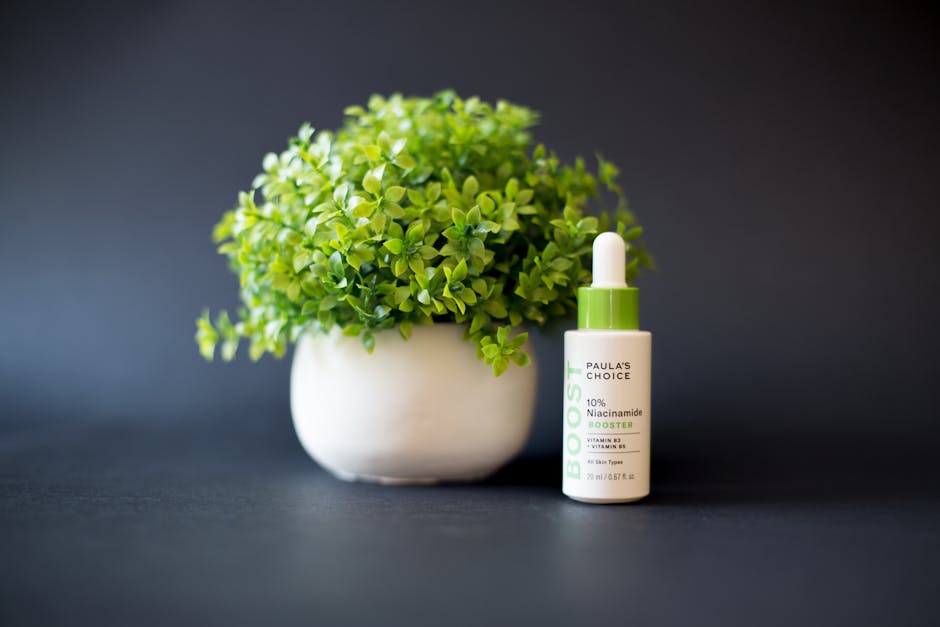
    Niacinamide serum has gained significant popularity in the beauty industry recently, largely due to its effectiveness in addressing various skin concerns. It is particularly noted for its brightening properties. Let’s take a closer look at the main benefits of niacinamide, how to use it, and some important precautions.

    Niacinamide, a form of vitamin B3, offers several positive effects on the skin. Here are some of its notable benefits:

    Brightening Effects: Niacinamide may help even out skin tone by inhibiting melanin production. With consistent use, it can lead to a clearer complexion and reduce dullness.

    Strengthening the Skin Barrier: It helps reduce moisture loss and protects the skin from external irritants.

    Improving Skin Texture: You can expect benefits like minimized pores and smoother skin texture.

    Niacinamide is suitable for a variety of skin types, but it works particularly well for combination to oily skin. This is due to its lightweight and highly absorbent formulation. It is also considered safe for sensitive skin, making it easy to incorporate into your routine without worry.

    While niacinamide is generally safe to use, there are rare instances of skin irritation or allergic reactions. If you’re trying it for the first time, it’s wise to perform a patch test on a small area, like the inside of your elbow. If you experience any irritation during use, discontinue immediately and consult a professional if necessary.

    If you’re looking to experience the brightening effects of niacinamide, be sure to follow these tips. With consistent care, you’ll likely notice an improvement in your skin tone!

  • Recommended Skincare Products for Healthy Skin: A Complete Guide to Ingredients and Benefits

    Recommended Skincare Products for Healthy Skin: A Complete Guide to Ingredients and Benefits

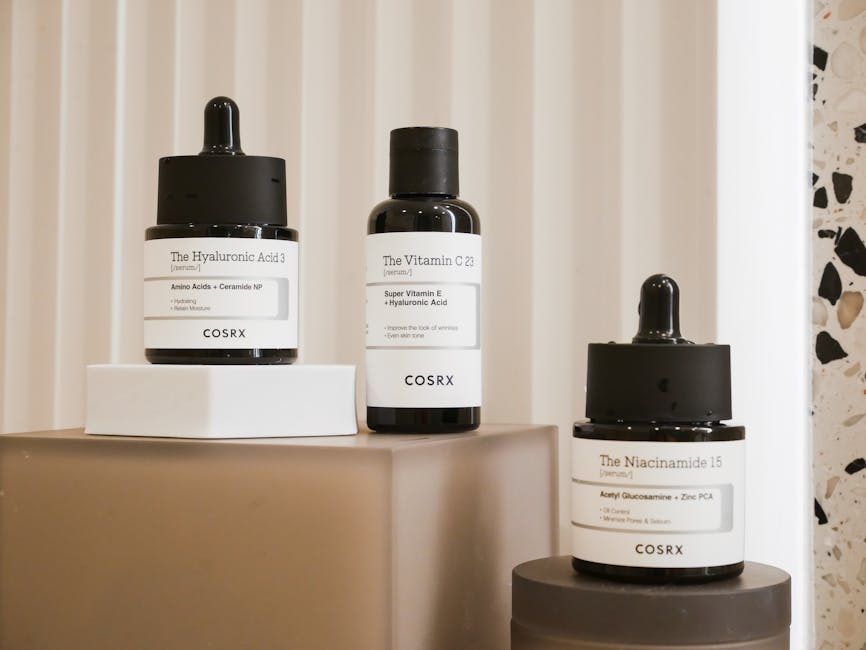
    Choosing the right skincare products based on your skin type is crucial. Understanding the benefits and potential side effects of various ingredients can significantly aid in selecting the right products. Below, we summarize recommended products for different skin types, along with their key ingredients, effects, and precautions.

    When selecting skincare products for your specific skin type, it’s essential to carefully examine the ingredients and choose products that suit your skin condition. Always check for potential side effects and precautions to ensure safe and effective skincare.

  • A Comprehensive Guide to the Effects and Ingredients of Collagen Supplements

    A Comprehensive Guide to the Effects and Ingredients of Collagen Supplements

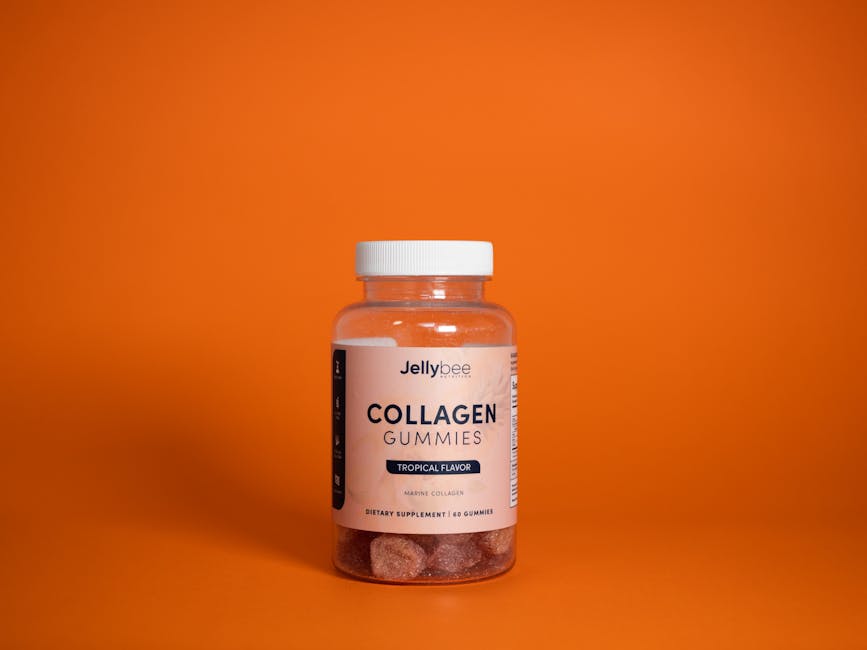
    Collagen supplements have gained popularity among many people recently. However, many are curious about their actual benefits, the ingredients they contain, and any potential side effects. Today, we’ll delve into the details of collagen supplements.

    Improved Skin Elasticity
    Many users report enhanced skin elasticity after taking collagen supplements. One individual noted a decrease in skin tightness by the fourth week and felt a noticeable improvement in skin firmness after eight weeks. This may be due to collagen being a vital component of the skin, aiding in the regeneration and recovery of skin cells.

    Hydration
    Collagen may positively impact the skin’s moisture retention. Regular users have shared that their skin feels more hydrated after taking collagen. This is likely because collagen helps form structures that maintain moisture in the skin.

    Joint Health
    Recent studies suggest that collagen can also support joint health. One user experiencing joint pain reported smoother movement after consistently taking collagen supplements.

    Collagen supplement products typically contain the following ingredients:
    Collagen Peptides: Low molecular weight collagen that is easily absorbed by the body.
    Hyaluronic Acid: Helps retain moisture and adds hydration to the skin.
    Vitamin C: An essential nutrient for collagen synthesis that supports skin health.
    Ceramides: Strengthen the skin barrier to prevent moisture loss.

    While side effects from collagen supplements are generally minimal, there are some precautions to consider:
    Allergic Reactions: Those using seafood-based collagen products should be cautious if they have seafood allergies.
    Digestive Discomfort: Some individuals may experience stomach discomfort when taken on an empty stomach, so it’s advisable to take them after meals.
    Excessive Intake: Avoid exceeding the recommended daily amount and adjust based on personal health conditions.

    Collagen supplements can be a beneficial addition for skin and joint health. However, it’s essential to carefully check the ingredients and concentrations of the products you choose, and to take them appropriately based on your health status. Make informed choices for your health and beauty!

  • A Comprehensive Review of Niacinamide Serum: Brightening Effects and User Experiences

    A Comprehensive Review of Niacinamide Serum: Brightening Effects and User Experiences

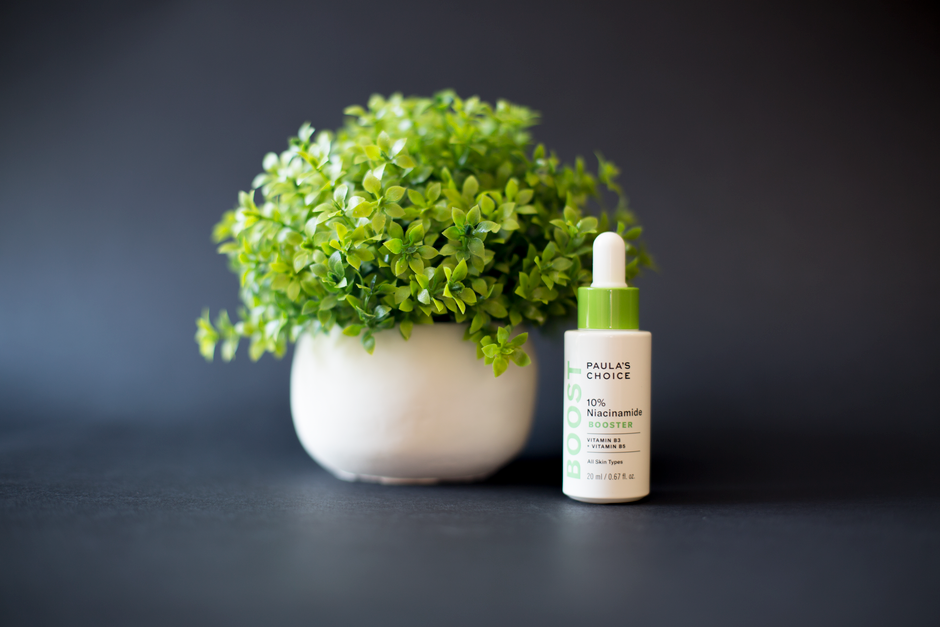
    Niacinamide, also known as vitamin B3, is well-regarded for its various positive effects on the skin. Its notable benefits include improving skin tone, hydrating the skin, and reducing the appearance of wrinkles. Particularly, it is known for its brightening properties, helping to create a clearer and more even complexion. With consistent use of niacinamide, you may notice a significant brightening effect on previously dull skin.

    Many brands have released a variety of products featuring niacinamide. Among those I’ve tried, The Harnai Cica Ampoule stands out as a cost-effective option. This product not only contains niacinamide but also includes several soothing ingredients that noticeably improved my skin’s hydration and brightness. Additionally, Innisfree’s Niacinamide Serum, which is widely available, has also received a lot of love from users, so it’s worth checking out.

    While niacinamide is generally safe for use, some individuals may experience mild irritation depending on their skin type. If you have sensitive skin, it’s advisable to start with a small amount to test your skin’s reaction. Should you experience any rashes or itching, it’s crucial to discontinue use immediately and consult a dermatologist. Furthermore, when using products containing niacinamide, adequate moisturization is essential, so pairing it with a hydrating cream is recommended.

    My initial reason for trying a niacinamide serum was its brightening effect. I was concerned about my dull skin tone and loss of elasticity, and after watching several reviews on YouTube, I decided to purchase it. During the first few weeks, I didn’t notice any significant changes, but after three months, I could see my skin becoming brighter and more even-toned. I was particularly surprised by the tightening sensation around my pores! The texture is smooth and absorbs quickly, making it easy for my oily skin to handle.

    The biggest advantage I’ve found with niacinamide serum is its effectiveness relative to its price. Even without opting for expensive brands, consistent use led to noticeable improvements in my skin. I believe you should give niacinamide a try too!

  • Restoring Skin Elasticity with Retinol Cream: Benefits and Usage Tips

    Restoring Skin Elasticity with Retinol Cream: Benefits and Usage Tips

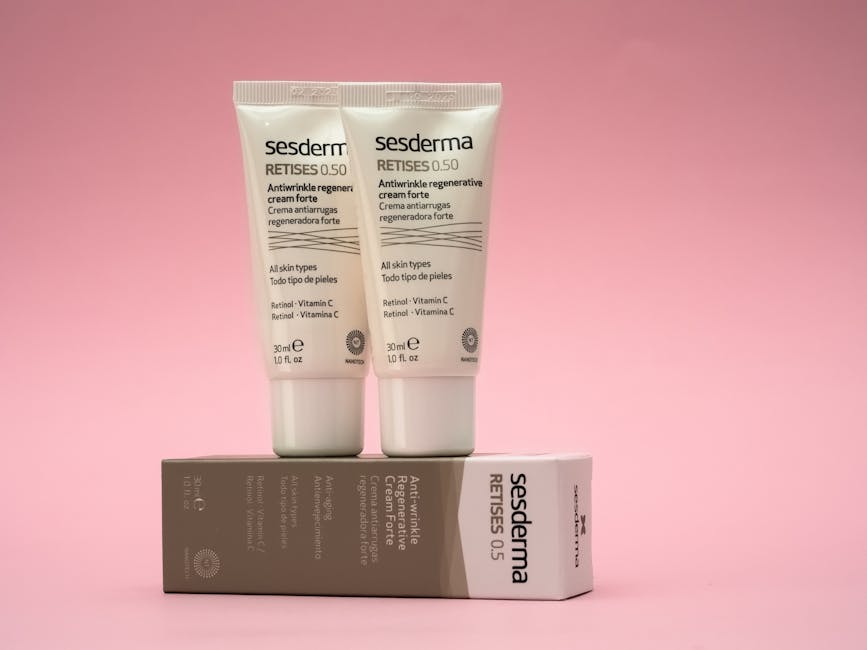
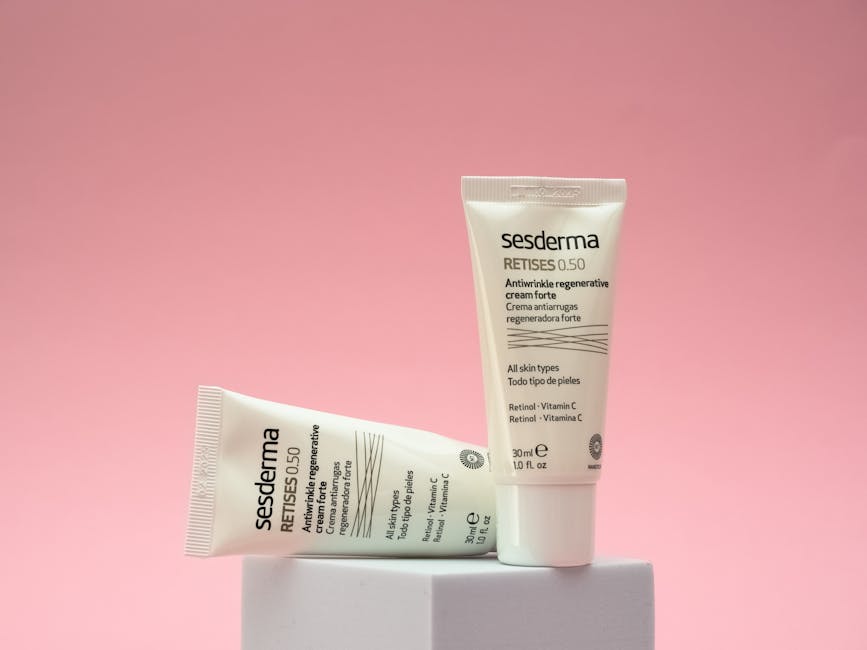
    Hello! Today, let’s talk about retinol cream and how it can help restore skin elasticity. Retinol, a form of vitamin A, is gaining attention for its potential to improve skin, particularly for issues like wrinkles, firmness, and texture.

    One of the main advantages of retinol cream is its ability to increase cell turnover. This means that dead skin cells are shed more quickly, making way for new cells, which can result in smoother and firmer skin. Additionally, retinol can boost collagen production, enhancing skin elasticity, and it may also help in minimizing pores. These benefits are why many people turn to retinol.

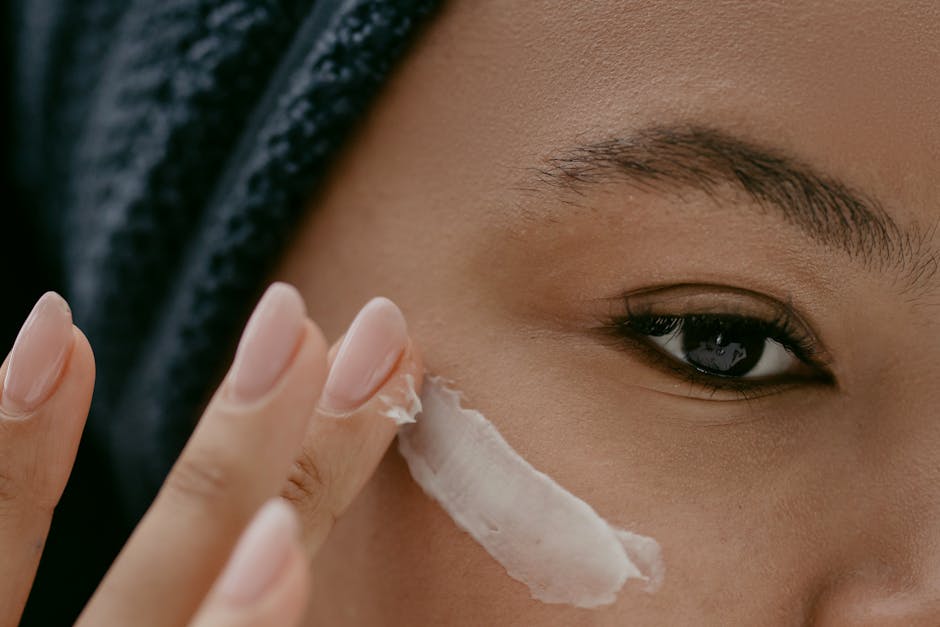
    However, there are some considerations when using retinol. Initially, you might experience skin irritation, especially if you have sensitive skin. In the beginning, you may notice mild redness or a tingling sensation, and overuse can lead to dryness. Therefore, it’s best to start with 1-2 applications per week to gauge your skin’s reaction. Opting for a lower concentration product initially is also advisable.

    Retinol is suitable for most skin types. It can be particularly beneficial for aging skin, those concerned about wrinkles, and individuals with rough skin texture. On the other hand, sensitive skin or acne-prone skin should approach with caution, so it’s wise to perform a patch test before full application.

    Retinol cream is one effective method for skin care, and consistent use may help improve skin elasticity. However, since every skin type is different, tailor your usage to your individual skin condition! Wishing you a journey toward healthy skin through regular care.

  • Solving Dry Skin! All About Dexpanthenol Ampoules

    Solving Dry Skin! All About Dexpanthenol Ampoules

    Dexpanthenol, a derivative of Vitamin B5, offers various positive effects for the skin. Primarily, its ability to attract moisture helps increase the skin’s hydration levels. Additionally, it strengthens the skin barrier and soothes irritation, making it beneficial for sensitive skin. This ingredient plays a significant role in retaining moisture within the skin and protecting it from environmental factors.

    Dexpanthenol is suitable for all skin types, but it is particularly effective for those experiencing severe dryness. Even individuals with oily skin can benefit from its hydrating properties when needed. It is a safe option for those with sensitive skin, especially when the skin is prone to irritation or instability. However, as individual skin conditions may vary, it’s advisable to conduct a patch test when using it for the first time.

    Generally, dexpanthenol is considered a safe ingredient, but some users may experience allergic reactions or irritation. Therefore, it is always recommended to perform a patch test when trying a new product. If any adverse reactions occur after using the product, it is best to discontinue use immediately and consult a professional.

    To use dexpanthenol ampoules, start by cleansing your face, then tone your skin. Dispense 1-2 drops of the ampoule onto your palm and gently press it onto your skin to aid absorption. On particularly dry days, layering the product can enhance its effectiveness. Finally, it’s crucial to seal in the moisture with a hydrating cream to prevent it from evaporating.

    For those struggling with dry skin, dexpanthenol ampoules can be a powerful moisturizing solution. Experience the benefits of dexpanthenol, which goes beyond mere hydration to provide stable protection for your skin.

  • The Effects and Usage of Retinol Cream: What Changes to Expect After a Month

    The Effects and Usage of Retinol Cream: What Changes to Expect After a Month

    Hello, beauty enthusiasts! Today, I want to share my personal journey with retinol cream, specifically focusing on the well-known product, Dr. Vita Retinol Cream. As I approached my late 30s, I noticed some fine lines and changes in my skin texture that made me seek out effective solutions. What I found was a wealth of information about retinol, a powerful ingredient in the world of skincare.

    Retinol, a derivative of Vitamin A, is celebrated for several key benefits:
    1. Reduces Fine Lines and Wrinkles: My primary concern was the nasolabial folds, and I was curious if retinol could help diminish their appearance.
    2. Improves Skin Texture: After a month of use, I noticed my skin felt smoother and looked more youthful, which was a big win for me.
    3. Boosts Collagen Production: With consistent use, retinol is known to stimulate collagen, which is crucial for maintaining skin elasticity.
    4. Minimizes Pores: I also observed that my pores appeared less noticeable, contributing to a more even skin tone.

    While retinol can do wonders for the skin, it’s essential to be aware of potential side effects:
    Initial Irritation: I experienced some mild redness and peeling during the first week. It’s crucial to start slow, perhaps using it every other night.
    Sensitivity to Sun: My skin became more sensitive to sunlight, so applying sunscreen daily became a non-negotiable part of my routine.
    Avoid Mixing with Certain Ingredients: I learned the hard way that combining retinol with other strong actives can cause irritation. It’s best to keep your routine simple.

    One of the great things about retinol is its versatility, but it’s particularly beneficial for:
    Aging Skin: If you’re noticing signs of aging like fine lines, retinol can be a game-changer.
    Oily or Acne-Prone Skin: The ingredient helps with cellular turnover, which can prevent the clogging of pores and reduce breakouts.
    Uneven Skin Tone: Those seeking to improve skin texture and tone will also find retinol beneficial.

    During my initial weeks of using Dr. Vita Retinol Cream, I took it slow. Instead of applying it all over my face, I focused on areas that concerned me the most. After about a month, I noticed subtle but definite changes:
    Smoother Skin Texture: My skin felt softer, and my makeup applied more evenly without settling into fine lines.
    Reduced Appearance of Fine Lines: Though it wasn’t miraculous, those pesky nasolabial folds looked less pronounced.
    Better Skin Hydration: My skin felt more hydrated, thanks to the cream’s moisturizing properties alongside retinol.

    In my journey with retinol, I’ve learned that patience is key. The changes may not be dramatic overnight, but with consistent use, my skin has improved significantly. If you’re considering adding retinol to your skincare routine, I highly recommend starting with a reputable product like Dr. Vita. Always remember to patch test and listen to your skin as you embark on this skincare adventure!

  • Unlocking the Secrets of CeliMax Retinol: Effective Skincare Tips Revealed!

    Unlocking the Secrets of CeliMax Retinol: Effective Skincare Tips Revealed!

    With the rise of skincare enthusiasts, CeliMax Retinol has gained popularity as a go-to solution for various skin concerns. If you’re curious about its effectiveness, usage precautions, and how to tailor it to your skin type, you’ve come to the right place!

    CeliMax Retinol is celebrated for its ability to improve skin texture, reduce the appearance of fine lines, and minimize pores. Users often report a noticeable enhancement in skin firmness and elasticity. The product’s retinol derivative is milder than pure retinol, making it a solid option for those new to retinol treatments.

    When incorporating CeliMax Retinol into your routine, it’s essential to tread carefully. Here’s how to use it effectively:

    Different skin types may require slightly different approaches when using CeliMax Retinol:
    Oily Skin: You may benefit from applying retinol more frequently once your skin adjusts. Focus on areas prone to breakouts like the T-zone.
    Dry Skin: Pair retinol with a rich moisturizer to maintain hydration. Consider using it less frequently to combat any potential dryness.
    Sensitive Skin: Start with a lower frequency and consider using additional soothing products to mitigate possible irritation.

    CeliMax Retinol can be an effective ally in your skincare journey, helping you achieve smoother and more youthful-looking skin. By understanding its benefits, adhering to usage guidelines, and customizing your approach based on your skin type, you can maximize the advantages of this product while minimizing any drawbacks. Happy skincare!

  • Choosing the Right Hyaluronic Acid Product for Your Skin Type

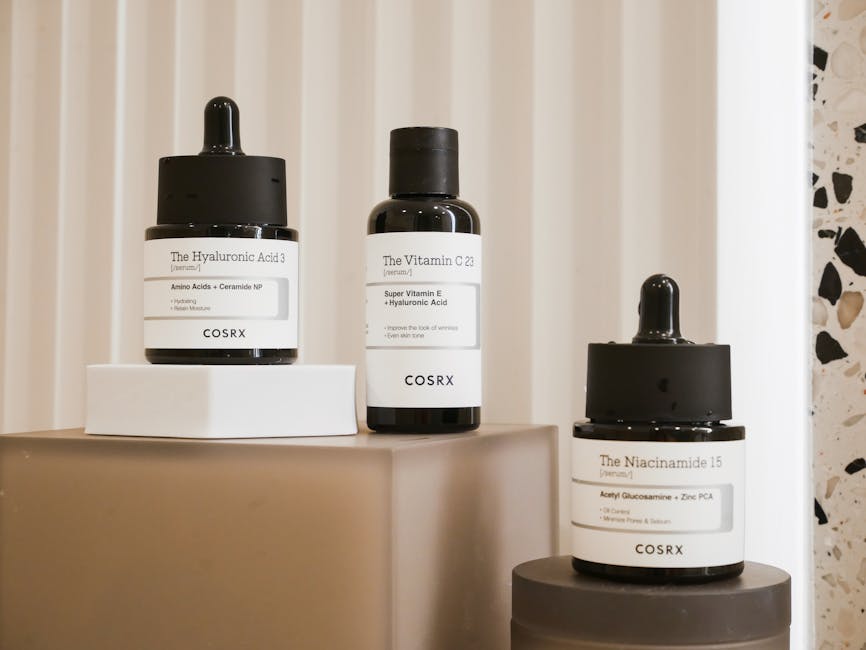
    Hyaluronic acid has become a buzzword in the skincare world, celebrated for its remarkable hydrating properties. But with various products available, how do you choose the right one for your skin type? Let’s dive into the benefits of hyaluronic acid, suitable products for different skin types, and any potential side effects or precautions to consider.

    Benefits of Hyaluronic Acid

    Hyaluronic acid is a naturally occurring substance in our bodies, capable of holding up to 1,000 times its weight in water. This makes it a powerful moisturizer that helps to:
    Hydrate the Skin: It penetrates the skin to provide deep moisture, leaving it plump and dewy.
    Reduce the Appearance of Fine Lines: By maintaining moisture, hyaluronic acid can help to diminish the visible signs of aging.
    Enhance Skin Barrier Function: It helps to strengthen the skin’s barrier, preventing moisture loss.

    Choosing the Right Product for Your Skin Type

    1. Oily Skin

    Recommended Product: Lightweight Hyaluronic Acid Serum
    Why: A lightweight serum absorbs quickly without leaving a greasy residue, providing hydration without clogging pores.
    Top Pick: Look for serums with a lower concentration of hyaluronic acid to avoid feeling heavy on the skin.

    2. Dry Skin

    Recommended Product: Rich Hyaluronic Acid Cream or Balm
    Why: A thicker cream or balm creates a moisture barrier that locks in hydration, making it ideal for dry skin types.
    Top Pick: Products containing additional emollients like shea butter or ceramides can enhance the moisturizing effect.

    3. Combination Skin

    Recommended Product: Hyaluronic Acid Gel
    Why: A gel formulation provides hydration while balancing oiliness, making it suitable for combination skin.
    Top Pick: Look for gels that include both low and high molecular weight hyaluronic acid for multi-layer hydration.

    4. Sensitive Skin

    Recommended Product: Fragrance-Free Hyaluronic Acid Serum
    Why: Sensitive skin requires gentle formulations without irritants; a fragrance-free serum minimizes the risk of reactions.
    Top Pick: Opt for serums that include soothing ingredients like aloe vera or chamomile to calm the skin.

    Side Effects and Precautions

    While hyaluronic acid is generally safe for most skin types, some individuals may experience:
    Allergic Reactions: Although rare, some people may develop allergies to certain formulations.
    Digestive Issues: When taken as a supplement, digestive discomfort can occur, though this is uncommon.
    Cancer Concerns: There are discussions regarding hyaluronic acid’s effect on cell growth, particularly in cancer patients, so consult a doctor if you’re undergoing treatment.
    Pregnancy and Nursing: The safety of hyaluronic acid during pregnancy and breastfeeding has not been firmly established; consult a healthcare provider for advice.

    Final Thoughts

    To truly benefit from hyaluronic acid, consider not just the type of product but also how you incorporate it into your skincare routine. Combining topical application with proper hydration and possibly using devices to enhance absorption can maximize its effects. Always patch-test new products, especially if you have sensitive skin or are prone to allergies. With the right knowledge and approach, you can harness the power of hyaluronic acid for beautifully hydrated skin!
  • Safe Cosmetics Ingredient Guide for Pregnant Women

    Introduction

    Pregnancy is a beautiful journey, but it also comes with its own set of challenges, especially when it comes to skincare. Many expecting mothers wonder about the safety of their cosmetics. This guide will help you navigate through harmful ingredients and suggest safe alternatives for a glowing complexion during this special time.

    Ingredients to Avoid During Pregnancy

    1. Retinol (Vitamin A Derivative)

    Retinol is known for its anti-aging properties but can pose risks during pregnancy. It can affect fetal development, so it’s best to avoid it.
    Safe Alternative: Consider using Bakuchiol, a plant-based alternative that offers similar benefits without the side effects. Products containing beta-carotene are also excellent choices, as they convert to Vitamin A only as needed by your body.

    2. Salicylic Acid (BHA)

    While effective for treating acne and blemishes, high concentrations of salicylic acid can be problematic during pregnancy. It penetrates deeply into the skin, which can be concerning.
    Safe Alternative: Switch to PHA (Polyhydroxy Acid) or LHA (Lipo Hydroxy Acid), which are gentler on the skin and still help exfoliate without irritation.

    3. Hydroquinone

    This skin-lightening agent can be harmful and is best avoided during pregnancy due to potential risks associated with absorption.
    Safe Alternative: Opt for Niacinamide or White Mulberry Extract. These ingredients can help even skin tone and reduce dark spots without the associated risks.

    Safe Ingredients for Skin Care During Pregnancy

    • Zinc Oxide: A safe mineral sunscreen that protects against UV rays without harmful chemicals.
    • Peptides: Help to boost collagen production and skin elasticity without causing irritation.
    • Hyaluronic Acid: Excellent for hydration, this ingredient is gentle and effective for maintaining skin moisture levels.

    Skincare Tips for Expecting Mothers

    1. Stay Hydrated: Drink plenty of water to keep your skin hydrated from within.
    2. Gentle Cleansing: Use mild, fragrance-free cleansers that won’t irritate your sensitive skin.
    3. Moisturize Regularly: Keep your skin nourished with safe moisturizers to combat dryness and stretch marks.
    4. Sunscreen is Essential: Protect your skin from sun damage, especially since hormonal changes can increase sensitivity to UV rays.

    Conclusion

    As you embark on this wonderful journey of motherhood, it’s crucial to be mindful of the products you use. By avoiding harmful ingredients and opting for safe alternatives, you can keep your skin healthy and glowing throughout your pregnancy. Always consult with your healthcare provider if you have any concerns about the products you are using.