Tag: skin health

  • A Complete Guide to Edible Collagen: Benefits and Ingredients

    A Complete Guide to Edible Collagen: Benefits and Ingredients

    After finishing my skincare routine post-work, I began to notice my skin feeling increasingly tight. The areas around my eyes and mouth seemed particularly dry, making makeup application challenging. While grappling with these concerns, I learned that my sister had been consistently taking edible collagen. She mentioned, “My skin feels less dry now.” This inspired me to give it a try myself.
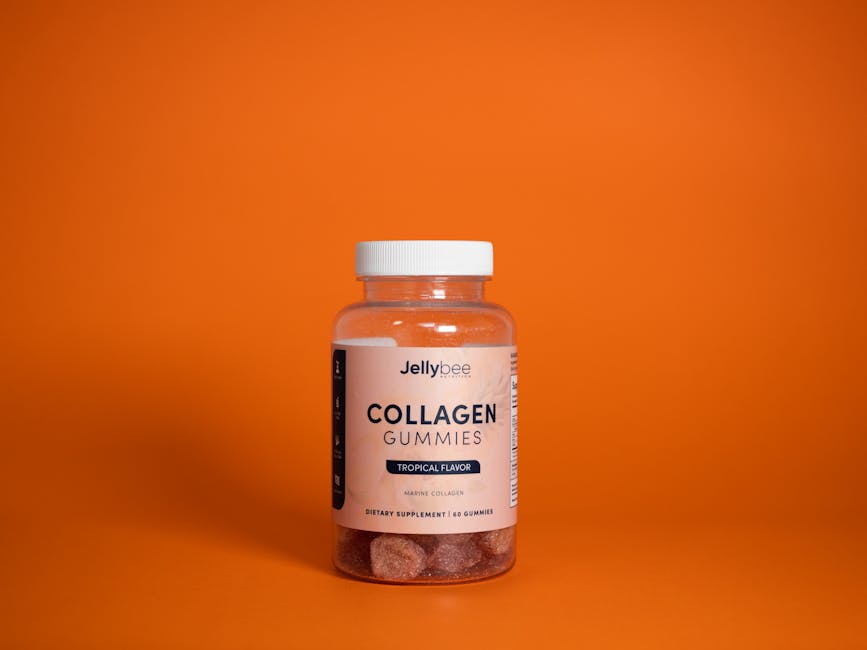
    Research suggests that edible collagen may help improve skin hydration and elasticity. It contributes to the skin’s natural moisture retention and can supplement the collagen that diminishes with age. Interestingly, daily intake appears to be particularly effective.

    Most edible collagen products typically contain low molecular weight collagen, hyaluronic acid, elastin, and vitamin C. Each ingredient may offer the following benefits:
    Low Molecular Weight Collagen: Known for its high absorption rate, which could aid in skin improvement.
    Hyaluronic Acid: Helps maintain moisture, enhancing skin hydration.
    Elastin: Plays a role in increasing skin elasticity.
    Vitamin C: May promote collagen synthesis and improve skin brightness.

    While edible collagen is generally considered safe, individual reactions may vary, and allergic responses can occur. Those with seafood allergies should be cautious with fish collagen products. Additionally, excessive intake may lead to digestive discomfort, so adhering to recommended dosages is crucial.

    During the first week, I didn’t notice significant changes, but by the second week, I felt a decrease in skin tightness right after washing my face. By week four, my makeup adhered better, allowing me to maintain a fresh complexion throughout the afternoon. After six weeks, I started to notice a glow and improved elasticity in my skin. I think many people would be curious to know if these changes are indeed real.

    When selecting an edible collagen product, I established a few criteria:
    1. No Animal-Derived Contaminants: Ensuring safety is essential.
    2. Verified Ingredients: I opted for low molecular weight collagen.
    3. High Concentration Products: I believed a daily intake of over 5,000mg would be beneficial.
    4. Quickly Absorbed Liquid Form: Liquid types tend to absorb faster.
    5. Complementary Ingredients: I looked for formulations that could provide synergistic effects.

    I settled on taking it within 20 minutes after dinner. Having had discomfort when taking it on an empty stomach, I established a routine post-meal. I also made it a habit to drink plenty of water, which further improved my skin hydration. For those with sensitive stomachs, it might be a good idea to take it with warm water.

    While edible collagen may not guarantee the same results for everyone, appropriate intake combined with lifestyle improvements could contribute to skin health.

  • Unlocking the Secrets of CeliMax Retinol: Effective Skincare Tips Revealed!

    Unlocking the Secrets of CeliMax Retinol: Effective Skincare Tips Revealed!

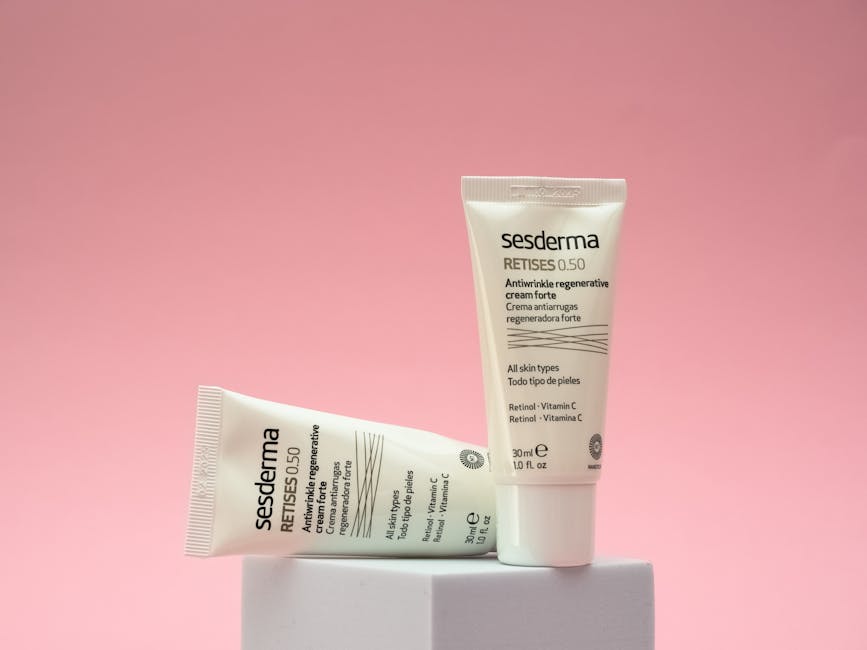
    With the rise of skincare enthusiasts, CeliMax Retinol has gained popularity as a go-to solution for various skin concerns. If you’re curious about its effectiveness, usage precautions, and how to tailor it to your skin type, you’ve come to the right place!

    CeliMax Retinol is celebrated for its ability to improve skin texture, reduce the appearance of fine lines, and minimize pores. Users often report a noticeable enhancement in skin firmness and elasticity. The product’s retinol derivative is milder than pure retinol, making it a solid option for those new to retinol treatments.

    When incorporating CeliMax Retinol into your routine, it’s essential to tread carefully. Here’s how to use it effectively:

    Different skin types may require slightly different approaches when using CeliMax Retinol:
    Oily Skin: You may benefit from applying retinol more frequently once your skin adjusts. Focus on areas prone to breakouts like the T-zone.
    Dry Skin: Pair retinol with a rich moisturizer to maintain hydration. Consider using it less frequently to combat any potential dryness.
    Sensitive Skin: Start with a lower frequency and consider using additional soothing products to mitigate possible irritation.

    CeliMax Retinol can be an effective ally in your skincare journey, helping you achieve smoother and more youthful-looking skin. By understanding its benefits, adhering to usage guidelines, and customizing your approach based on your skin type, you can maximize the advantages of this product while minimizing any drawbacks. Happy skincare!

  • A Safe Guide to Skincare Ingredients for Pregnant Women

    Introduction

    When you’re expecting, your skin can become particularly sensitive, leading to various issues such as breakouts or irritation. This sensitivity makes it crucial to be extra cautious about the products you apply, as certain cosmetic ingredients may not only affect your skin but could also pose risks to your developing baby. In this guide, we’ll explore specific ingredients that pregnant women should avoid and suggest safer alternatives.

    Ingredients to Avoid During Pregnancy

    1. Retinol

    Retinol is a widely recognized ingredient known for its anti-aging properties and skin rejuvenation benefits. It can help improve wrinkles, dark spots, and acne. However, during pregnancy, it’s advisable to steer clear of retinol. When absorbed into the skin, retinol converts to a more active form that can interfere with fetal organ development. Therefore, exposure to high levels of retinol during pregnancy can increase the risk of birth defects.

    2. Hydroquinone

    Another ingredient to avoid is hydroquinone, commonly found in skin-lightening products. Hydroquinone works by inhibiting melanin production, which can lead to lighter skin. However, its high absorption rate and uncertain safety for unborn babies make it a risky choice for pregnant women. It’s best to avoid this ingredient altogether during pregnancy.

    Safe Ingredients for Expectant Mothers

    1. Hydrating Ingredients

    For those looking for safe moisturizing options, ingredients like hyaluronic acid, ceramides, glycerin, panthenol, allantoin, and squalane are excellent choices. These components help in maintaining skin hydration and promoting recovery without posing any risks to you or your baby.

    2. Gentle Brightening Agents

    If you’re interested in brightening your skin during pregnancy, consider using vitamin C, niacinamide, or azelaic acid. These ingredients work gradually to slow down melanin production, making them safer alternatives to harsher agents like hydroquinone.

    3. Soothing Extracts

    Natural extracts such as Cica, madecassoside, chamomile, and aloe vera are often well-tolerated and can effectively calm irritated skin. These ingredients are derived from plants, making them a gentle and safe option during pregnancy.

    4. Mineral Sunscreens

    For sun protection, mineral-based sunscreens are highly recommended. These products work by reflecting UV rays away from the skin, minimizing absorption while effectively protecting against sun damage. They are generally safer and less likely to irritate sensitive skin compared to chemical sunscreens.

    Final Thoughts

    To make informed choices about skincare products, consider using ingredient analysis apps like Mom Guide. Such tools not only evaluate cosmetics but also assess household products like detergents and baby items, giving you peace of mind. These apps often provide a clear grading system, allowing you to quickly identify safe options without extensive research.

    As you navigate your pregnancy journey, remember that maintaining healthy skin is essential. By avoiding harmful ingredients and opting for safe alternatives, you can ensure both your skin and your baby stay in good health. Don’t hesitate to invest in a quality moisturizer or stretch mark cream that has been rated safe—your skin will thank you!

  • The Essential Order for Applying Skincare Products for Better Skin

    Why the Right Order Matters

    When it comes to skincare, simply investing in high-end products isn’t always enough to achieve the desired results. Many people find themselves disappointed after spending a fortune on creams and serums that don’t seem to work. The root of the problem often lies not in the quality of the products themselves but in the order of application and the absorption time between each step. Understanding the right sequence can significantly enhance the effectiveness of your skincare routine.

    The Correct Sequence of Application

    The basic principle behind applying skincare products is simple: start with the lightest formulas and gradually move to heavier ones. This approach allows each product to penetrate the skin effectively, ensuring that the subsequent layers can work properly.

    1. Toner (Skin)

    After cleansing your face, the first product you should apply is a toner. Opt for a mist toner for easy application right after washing your face.
    Purpose: It helps to refine skin texture and initiates hydration.
    Absorption Time: Allow 30 seconds to 1 minute for it to absorb.

    2. Essence / Serum

    Next, focus on your skin concerns with an essence or serum. This step targets specific issues such as brightening, anti-aging, or acne treatment.
    Purpose: Provides concentrated care for skin issues.
    Absorption Time: Wait 1 to 2 minutes for absorption. If using more than one, apply the lighter one first.

    3. Ampoule (Optional)

    If you have a specific skin issue that requires extra attention, an ampoule can be added. These are typically highly concentrated.
    Purpose: Offers intensive nourishment and recovery for the skin.
    Absorption Time: Give it 1 to 2 minutes to fully absorb.

    4. Lotion (Emulsion)

    Follow with a lotion to balance moisture and oil levels in your skin.
    Purpose: Locks in hydration and creates a protective barrier.
    Absorption Time: Allow about 1 minute for it to settle in.

    5. Cream

    The last hydrating layer, a cream, prevents moisture loss and seals in the benefits of previous products.
    Purpose: Forms a moisture-retaining barrier and protects the skin.
    Absorption Time: Take 2 to 3 minutes for it to absorb well; apply gently.

    6. Sunscreen (Essential for Mornings)

    In the morning, finish your routine with sunscreen to protect against harmful UV rays.
    Purpose: Shields the skin from sun damage and prevents aging.
    Absorption Time: Apply at least 15 to 20 minutes before heading outdoors.

    Effective Skincare Tips

    • Patting Technique: Instead of rubbing, gently press the products into your skin with your palms for better absorption.
    • Avoid Overapplication: More product doesn’t mean better results; use just the right amount and focus on proper absorption.
    • No Layering Too Soon: Don’t apply the next product until the previous one has fully absorbed to avoid pilling and reduced effectiveness.
    • Customize for Your Skin Type: Adjust the number of steps based on your skin type. Oily skin may need fewer layers, while dry skin might benefit from extra moisture.

    Common Mistakes to Avoid

    • Skipping absorption times between products.
    • Layering too many serums at once.
    • Neglecting sunscreen in the morning.

    By prioritizing the correct order of application and allowing each product adequate time to absorb, you can enhance the effectiveness of your skincare routine. Instead of solely relying on expensive products, the way you apply them can truly transform your skin. So, take a moment to slow down and follow these steps, and you’ll likely notice a positive change in your skin’s texture and appearance.