Tag: skin care

  • Solving Skin Concerns! 5 Tips for Choosing the Right Cosmetics

    Solving Skin Concerns! 5 Tips for Choosing the Right Cosmetics

    If you have skin concerns, what criteria do you use when choosing cosmetics? With so many types and ingredients available, it can be challenging to make the right choice. Today, we’ll explore suitable products and ingredients based on skin type, along with some important considerations.
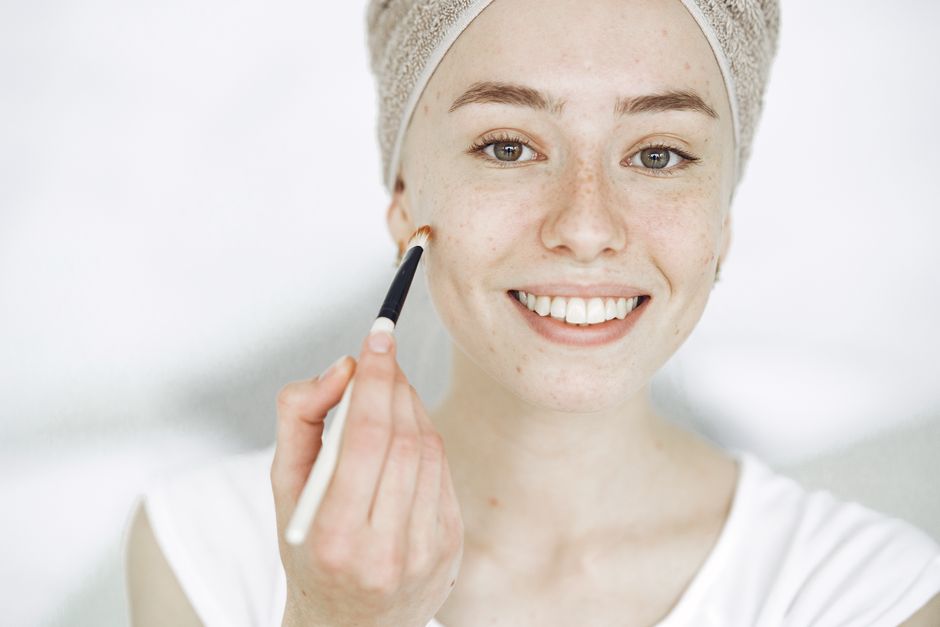
    For those with oily skin, issues like acne and shine can be a concern. In this case, opt for non-comedogenic products.
    Key ingredients like salicylic acid can help keep pores clean and may assist in preventing acne. However, be aware that it might cause dryness, so remember to apply a moisturizer afterward.

    Dry skin often suffers from a lack of moisture, leading to flakiness and itchiness. Products containing hyaluronic acid or ceramides are recommended.
    These ingredients can help strengthen the skin barrier and retain moisture. It’s best to avoid products with alcohol, as they can exacerbate dryness.

    Combination skin, where the T-zone is oily and the U-zone is dry, requires balanced products. Consider using lightweight hydrating creams and those with green tea extract.
    This ingredient has soothing properties that can help comfort the skin. When applying, focus on the specific areas that need more attention.

    For sensitive skin, it’s advisable to choose products that are fragrance-free and alcohol-free.
    Look for products containing oatmeal extract or calendula, which can help soothe the skin. Always perform a patch test when trying out a new product for the first time.

    If aging is a concern, consider cosmetics that contain retinol or peptides.
    These ingredients can promote skin regeneration and enhance elasticity. Keep in mind that they may increase skin sensitivity, so it’s best to use them at night and apply sunscreen during the day.

    Choosing the right cosmetics for your skin type is the first step towards improving your skin. Understanding the benefits and precautions of each ingredient can greatly assist in addressing your skin concerns!

    If you have any questions, feel free to leave a comment. Let’s discuss together!

  • The Ultimate Guide to Acne Skin Care Routine: Effective Methods and Recommended Products

    Understanding the Multifaceted Causes of Acne

    Acne is not simply the result of one or two factors; it typically arises from a combination of issues. The primary culprits include excess sebum production, clogged pores, bacterial growth, and external irritants. This complexity makes it challenging to resolve acne by merely switching one product.

    Many individuals, including myself, have made the common mistake of focusing solely on topical treatments. However, effective acne management requires a holistic view, starting from the cleansing phase to post-care routines.

    I spent years battling acne, feeling frustrated when products only provided a temporary fix. Often, I would try the latest creams or serums, only to find that new breakouts appeared elsewhere. This cycle felt endless.

    Creating an Effective Acne Care Routine

    Reflecting on my journey, I realized that I had been overcomplicating my routine by adding too many layers of products without addressing the fundamental steps. I found that focusing on the cleansing stage was crucial. If the skin isn’t cleansed properly, products applied afterward can’t be absorbed effectively, leaving residue that continues to irritate the skin.

    Step-by-Step Acne Skin Care Routine

    1. Cleansing: Choose a gentle yet effective cleanser. Look for products that balance cleansing power with gentleness to avoid stripping the skin’s moisture while also targeting excess oil and impurities.
    2. Toning: If you use a toner, opt for one that helps to balance skin pH and provides hydration without clogging pores.
    3. Treatment: Incorporate a treatment product that targets acne specifically. Ingredients like salicylic acid or benzoyl peroxide can be beneficial, but ensure they suit your skin type.
    4. Moisturizing: Use a lightweight, non-comedogenic moisturizer to keep your skin hydrated. This step is vital, even for oily skin types, as it helps maintain a healthy moisture barrier.
    5. Spot Treatment: For active breakouts, a focused spot treatment can help reduce inflammation and speed up healing.

    Recommended Products

    Through trial and error, I discovered products that genuinely improved my skin. Here are two standout recommendations:
    Remaine49 Reef Soap: This solid soap contains tea tree oil, mugwort, and noni extract, which are known for their antibacterial and soothing properties. Initially, I was hesitant to use a bar soap, but it turned out to be an effective cleanser without drying out my skin. The natural surfactants used in this product are gentle yet efficient.
    Remaine49 Regeneration Cream: Following cleansing, I applied this cream, which features EGF, niacinamide, and centella asiatica. This multi-tasking cream not only soothes but also helps to restore the skin’s condition and promote healing.

    By simplifying my routine to just these two products, I found it easier to maintain consistency. I moved from a complicated regimen of toners, serums, and masks to a straightforward approach that was less overwhelming and more effective.

    Conclusion

    Ultimately, the key to managing acne-prone skin lies in a consistent, simplified routine that you can maintain daily. Focus on cleansing thoroughly and using targeted treatments, and don’t forget the importance of hydration. Remember, no matter how good a product is, if it causes irritation or feels burdensome, it won’t be sustainable. Find a balance that works for your skin and stick to it for the best results.

  • Safe Cosmetic Ingredients Guide for Expecting Mothers

    Hello, lovely readers! 🌼 As someone who is excited about becoming an aunt soon, I’ve been thinking a lot about what safe cosmetics my sister, who is pregnant, can use. There’s a lot of confusion about what’s safe and what’s not when it comes to skincare during pregnancy, so I’m here to share a heartfelt guide that can help expectant mothers navigate the beauty aisle safely.

    Key Ingredients to Avoid During Pregnancy

    Let’s start with the top three ingredients you should steer clear of:

    1. Retinol (Vitamin A Derivative)
      Retinol is excellent for anti-aging, but it can pose risks to the fetus. Instead, consider using Bakuchiol, a plant-based alternative that provides similar benefits without the harsh effects of retinol. Carrot seed oil is also a fantastic substitute.
      Remember, while topical application has some limitations on absorption, high doses of ingested Vitamin A can directly affect the fetus, so always be cautious!

    2. Salicylic Acid (BHA)
      This popular ingredient is great for treating blemishes but can be problematic in high concentrations during pregnancy. Instead, switch to PHA or LHA, which are gentler and safer for expectant mothers.
      High hormonal fluctuations during pregnancy can make the skin more sensitive, so you want to avoid any harsh treatments that could aggravate your skin.

    3. Hydroquinone
      Commonly used for skin lightening, hydroquinone can be unsafe for pregnant women. Instead, opt for Niacinamide or Mulberry Extract, which can help improve skin tone without the risks.

    Safe Cosmetic Alternatives

    Now that we know what to avoid, let’s explore some safe ingredients:
    Bakuchiol: This plant-based ingredient is a natural alternative to retinol, known for its anti-aging properties without the side effects.
    Niacinamide: A powerhouse for hydration and brightening the skin, it’s also known for reducing inflammation and redness.
    Zinc Oxide: A mineral sunscreen option that is safe during pregnancy, providing protection without chemical absorption.

    Choosing Products Based on Skin Changes

    Pregnancy often leads to hormonal changes that can affect your skin. Here are some tips on selecting products:
    For Dry Skin: Look for products rich in hyaluronic acid and ceramides to help maintain moisture.
    For Oily/Acne-Prone Skin: Consider gentle exfoliating ingredients like PHA, which are less irritating.
    For Hyperpigmented Skin: Use niacinamide and gentle botanical extracts to help even out skin tone without harsh chemicals.

    Final Thoughts

    Navigating skincare during pregnancy doesn’t have to be stressful. By avoiding certain ingredients and choosing safer alternatives, you can keep your skin healthy and radiant throughout your pregnancy. Whether you’re looking for a moisturizer, sunscreen, or treatment, always read labels carefully and consult with your healthcare provider if you’re unsure. Your skin deserves the best, and so does your little one! 💖