Tag: Nutrition

  • 5 Essential Habits and Foods for Kidney Health

    5 Essential Habits and Foods for Kidney Health

    The kidneys play a vital role in filtering waste from our bodies and maintaining the balance of fluids and electrolytes. Let’s explore which foods to include and what lifestyle habits to adopt for better kidney health.
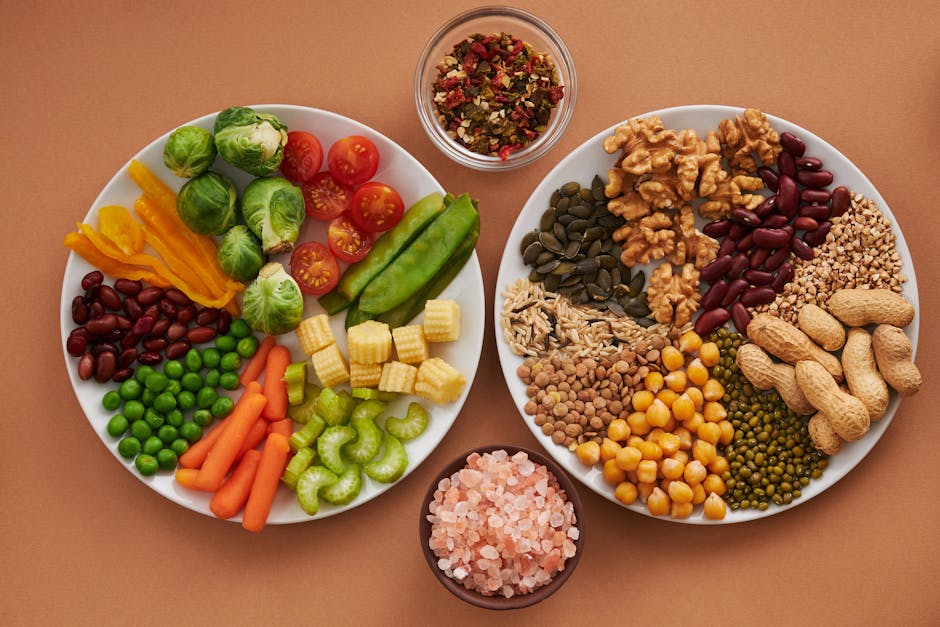
    Cabbage
    Cabbage is rich in antioxidants, which may help protect the kidneys. It contains vitamin C and various minerals that can support the body’s detoxification processes and reduce inflammation. It’s easy to incorporate into salads or stews.

    Blueberries
    Packed with antioxidants, blueberries can help prevent cellular damage. They may also assist in lowering inflammation levels in the body, which can positively impact kidney health. Try adding them to yogurt or smoothies.

    Olive Oil
    Olive oil provides healthy fats and may support cardiovascular health. Since kidney function is influenced by vascular health, consuming appropriate fats is essential. Use it in dressings or for cooking.

    Garlic
    Known for its anti-inflammatory properties, garlic can assist in regulating blood pressure. It may help reduce stress on the kidneys, supporting their function. Incorporate it into your cooking regularly.

    Apples
    Apples are high in fiber, which can aid digestion and help eliminate toxins from the body. Consider making it a habit to eat one apple a day for kidney health.

    Hydration
    Staying well-hydrated is crucial for optimal kidney function. Aim to drink about 1.5 to 2 liters of water each day.

    Reduce Sodium Intake
    Lowering sodium consumption is vital for kidney health. Avoid processed foods and salty snacks, and opt for low-sodium meals.

    Regular Exercise
    Physical activity can help with weight management and blood pressure control. Engaging in regular exercise can contribute to maintaining kidney health.

    Stress Management
    Stress can negatively affect kidney health. Find ways to reduce stress through hobbies, meditation, or other relaxing activities.

    Maintaining kidney health is an ongoing responsibility. By incorporating the foods and lifestyle habits mentioned above into your daily routine, you can help support your kidneys!
  • Essential Nutrients and Management Tips for Kidney Health

    Essential Nutrients and Management Tips for Kidney Health

    The kidneys play a vital role in our body, helping to remove waste and maintain fluid balance. When kidney function declines, various health issues can arise. Today, let’s explore essential nutrients and effective management strategies to support kidney health.

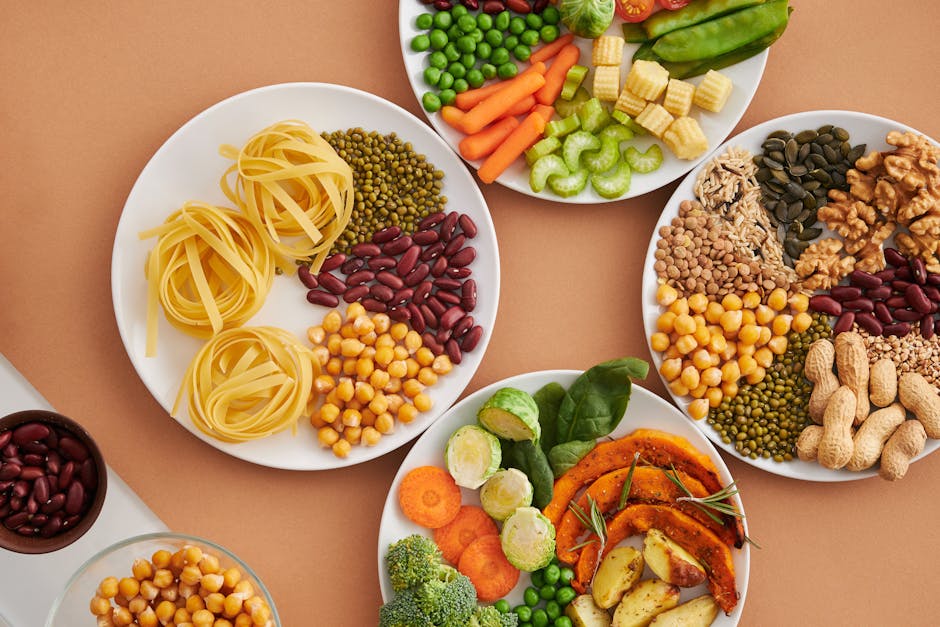
    Choosing the right foods is crucial for maintaining kidney health. Here are some beneficial options:

    Considering supplements for kidney management can be beneficial. Here are some recommended nutrients:

    When choosing supplements, it’s essential to select products from reputable brands and ensure they contain appropriate ingredients for your needs.

    To maintain kidney health, keep the following management tips in mind:

    Kidney health is something everyone should pay attention to. With simple dietary changes and appropriate supplement intake, you can effectively manage your kidney health.

  • 5 Essential Habits and Foods for Kidney Health: Do You Know Them?

    5 Essential Habits and Foods for Kidney Health: Do You Know Them?

    The kidneys play a vital role in our body, and maintaining their health requires proper dietary and lifestyle choices. Here are five foods and habits that may benefit kidney health.

    Cabbage is rich in vitamin C, an antioxidant that may help protect the kidneys. Additionally, it has detoxifying properties and can improve blood circulation, which may support kidney function. Consider incorporating cabbage into your daily meals!

    Fatty fish like salmon and mackerel are abundant in omega-3 fatty acids, which may help reduce inflammation. Research suggests that lower inflammation could enhance kidney function, so aim to enjoy these fish 2-3 times a week.

    One of the most fundamental habits for kidney health is staying well-hydrated. Drinking enough water helps eliminate waste and reduces the strain on the kidneys. Try to aim for about 2 liters of water daily.

    There is a close connection between high blood pressure and kidney health. Foods high in sodium can elevate blood pressure, putting extra stress on the kidneys. Try to cook with fresh ingredients rather than processed foods to help manage your sodium intake.

    Exercise is beneficial not only for overall health but also has a positive impact on the kidneys. Aerobic activities, in particular, can improve blood circulation and assist with weight management. Aim for about 30 minutes of exercise each day.

    While adhering to the foods and habits mentioned above is important for kidney health, it’s also essential to limit overly spicy foods and alcohol. Regular health check-ups can help monitor kidney status, and if any unusual signs arise, seeking professional advice is advisable.

    Since prevention is key for kidney health, take a moment to evaluate your lifestyle habits starting now!

  • 5 Essential Habits and Foods for Kidney Health

    5 Essential Habits and Foods for Kidney Health

    The kidneys play a vital role in our body. They filter blood, remove waste, and help maintain a balance of fluids and electrolytes. Here are some essential habits and foods to consider for kidney health.

    One of the first things to consider for kidney health is cutting back on sodium. It’s important to avoid salty foods that can lead to high blood pressure or swelling. A simple way to do this is by using less salt when cooking and opting for fresh ingredients over processed foods.

    Cabbage is known to be beneficial for kidney health. It’s rich in vitamin C and antioxidants, which may help prevent cell damage. Incorporate low-sodium, fiber-rich cabbage into your salads or stir-fries for a nutritious boost.

    The kidneys rely on fluids to help remove waste. Therefore, staying hydrated is crucial. Drinking an adequate amount of water each day can support kidney function. However, if you have kidney issues, it’s best to consult with a doctor to determine the right amount of fluid intake for you.

    Berries like blueberries and raspberries are loaded with antioxidants that may benefit kidney health. These fruits can help reduce inflammation and make for a convenient snack. Try adding them to yogurt or blending them into smoothies.

    Exercise is also essential for kidney health. Regular physical activity can improve blood circulation and help prevent obesity. Aerobic exercises, in particular, can have a positive impact on the kidneys, so aim to stay active as much as possible.

    Maintaining habits for kidney health is simple, but consistency is key. Use these tips to help support a healthy lifestyle!

  • Probiotics for Baby’s Gut Health: Which Products Are Best?

    As a parent, every little change in my baby’s behavior can make me anxious, especially when it comes to their health. I started noticing some irregularities in my baby’s digestion, which made me realize that gut health was something I needed to pay more attention to. That’s when I began to explore the world of probiotics for babies.

    Benefits of Baby Probiotics

    From my research and experiences, I found that probiotics can significantly benefit babies. They help in maintaining a healthy gut flora, which is crucial for digestion and nutrient absorption. Additionally, a healthy gut can boost the immune system, making it easier for babies to fend off infections. I noticed my baby’s mood improved, and they seemed less fussy after incorporating probiotics into their daily routine.

    What to Look for in Probiotic Products

    When choosing a probiotic for your baby, the ingredients are paramount. I learned to look for:
    1. Allergen-Free Ingredients: Make sure the product is free from common allergens.
    2. No Unnecessary Additives: Avoid products with artificial colors, flavors, or preservatives.
    3. Non-GMO Probiotics: Opt for brands that use non-GMO strains for added safety.
    4. Sugar-Free: It’s important that the probiotics don’t contain added sugars, which can harm your baby’s health.

    Timing and Administration

    Getting my baby to take probiotics was easier than I expected. I found a powdered form that was individually packaged, making it convenient to carry around and hygienic. I could easily mix it with yogurt, milk, or even their solid food without them noticing it. The strawberry flavor was a hit, and my baby loved it!

    As for when to give it, I found that taking it before meals or after worked equally well. I chose to give it in the morning before breakfast, and within a few days, I noticed a more regular bowel pattern, which was a huge relief.

    Choosing the Right Product

    After exploring various options, I settled on a probiotic brand called Lactiv, which was highly recommended and had the right blend of ingredients. What stood out to me were:
    High Viability: They ensure that the probiotics reach the gut alive.
    Synbiotics: It contains prebiotics along with probiotics, which support gut health even further.
    Additional Nutrients: This particular brand also included essential vitamins like Vitamin D and Zinc, which are important for my baby’s growth and immunity.

    In my experience, finding the right probiotic has made a noticeable difference in my baby’s gut health and overall well-being. It’s a simple step that has contributed to their happiness and comfort, and I highly recommend other parents consider it as well!

  • Choosing Probiotics for Baby’s Gut Health

    As parents, we often find ourselves worried about our little ones’ health, especially when it comes to digestion. When my baby began transitioning to solid foods, I noticed changes in her digestion, prompting me to explore probiotics for gut health.

    Why Are Probiotics Important for Babies?

    Probiotics play a crucial role in maintaining a healthy gut microbiome, which is vital for our babies’ immune function and overall well-being. With the introduction of solid foods and increased activity, babies’ digestive systems can experience fluctuations. Probiotics help to stabilize gut flora and improve digestion, making them an essential supplement during this transitional phase.

    How to Choose Effective Probiotics?

    When selecting a probiotic for your baby, consider the following factors:
    1. Safety: Look for products that are allergen-free, contain no unnecessary additives, and use non-GMO strains.
    2. Strain Variety: Different strains of probiotics offer various benefits. Research which strains are best suited for infants to ensure effective gut support.
    3. Packaging: Choose probiotics that are individually packaged for hygiene and convenience. This makes it easier to carry and administer.
    4. Prebiotics Included: Some probiotics come with prebiotics, which can enhance their effectiveness by providing additional food for the beneficial bacteria.

    Cautionary Notes

    While probiotics can be beneficial, it’s essential to consult with a pediatrician before introducing them to your baby’s diet, especially if your baby has underlying health conditions. Monitor for any adverse reactions when starting a new supplement, and follow the recommended dosage carefully. Generally, a daily dose of 1 to 10 billion CFUs (colony-forming units) is considered safe for infants.

    In conclusion, choosing the right probiotic for your baby’s gut health can make a significant difference in their digestion and immunity. With careful selection and guidance from a healthcare professional, you can help support your little one’s health during their crucial growth stages.

  • Top Recommended Supplements for Diabetes Management in 2024

    Diabetes is becoming an increasingly common condition, affecting 1 in 7 adults over 30. Managing this chronic disease involves not only medication but also lifestyle changes and nutritional support. In this blog post, we will explore the best supplements for diabetes management in 2024, effective lifestyle habits, and important precautions to take.

    Recommended Supplements for Diabetes

    1. Magnesium
      Magnesium plays a crucial role in insulin secretion and helps in maintaining normal blood sugar levels. It aids in muscle relaxation and energy production, making it an essential supplement for those with diabetes.

    2. Zinc
      Zinc protects the pancreatic beta cells that secrete insulin, thus helping regulate glucose levels in the bloodstream. This mineral is crucial for insulin function and is often recommended for diabetics.

    3. Evening Primrose Oil Extract
      The PGG (polyphenol) component in evening primrose oil stimulates insulin secretion from the pancreas and slows down blood sugar spikes after meals by inhibiting alpha-amylase, an enzyme responsible for carbohydrate digestion.

    4. Mulberry Leaf Extract
      Rich in DNJ (1-deoxynojirimycin), this extract inhibits the action of alpha-glucosidase, helping to manage post-meal blood sugar levels by slowing carbohydrate absorption.

    5. Banaba Leaf
      Banaba leaves contain corosolic acid, which enhances insulin sensitivity and helps in glucose absorption by cells, preventing blood sugar spikes. This makes it a popular choice for diabetes management supplements.

    Lifestyle Habits to Support Diabetes Management

    In addition to taking supplements, adopting healthy lifestyle habits is crucial for effective diabetes management:
    Balanced Diet: Focus on a diet rich in whole grains, lean proteins, healthy fats, and plenty of fruits and vegetables. Avoid processed foods and sugary snacks.
    Regular Exercise: Aim for at least 150 minutes of moderate aerobic activity each week. Exercise helps lower blood sugar levels and improve insulin sensitivity.
    Stress Management: Practice stress-reducing techniques such as yoga, meditation, or deep breathing exercises to help manage your blood sugar levels.
    Regular Monitoring: Keep track of your blood sugar levels regularly to understand how your body responds to different foods and activities.

    Precautions and Side Effects

    While supplements can provide significant benefits, it is essential to be aware of potential side effects and precautions:
    Consult Your Doctor: Always talk to your healthcare provider before starting any new supplement, especially if you are on diabetes medication, to avoid any interactions.
    Know Your Dosages: Overconsumption of certain supplements can lead to adverse effects. Follow recommended dosages and read labels carefully.
    Watch for Allergies: Be mindful of any allergies or sensitivities you may have to specific ingredients in the supplements.

    By combining the right supplements with healthy lifestyle choices, you can effectively manage your diabetes and improve your overall well-being. Stay informed and proactive in your health journey!

  • Omega-3 and Vitamin D: Effective Intake Methods and Recommended Products

    Maintaining good health has become a priority for many of us, and for good reason. Factors like fatigue and stress can significantly affect our daily lives. This realization has led many to explore supplements, particularly Omega-3 and Vitamin D, both of which are known for their extensive health benefits. In this blog, we’ll dive into their key benefits, effective intake methods, and the best products available, along with some personal experiences to enhance your understanding.

    Key Benefits of Omega-3 and Vitamin D

    Omega-3

    Omega-3 fatty acids are essential fats that our body cannot produce on its own. They play a crucial role in several bodily functions, including:
    Heart Health: Omega-3 helps lower blood pressure, reduce triglycerides, and decrease the risk of heart disease.
    Brain Function: It supports cognitive function and may protect against Alzheimer’s disease and dementia.
    Anti-Inflammatory Properties: Omega-3 can reduce inflammation in the body, improving conditions like arthritis.

    Vitamin D

    Vitamin D is vital for maintaining healthy bones and immune function. Its benefits include:
    Bone Health: Vitamin D aids calcium absorption, which is essential for strong bones and teeth.
    Immune System Support: It helps in the modulation of the immune system, reducing the risk of infections.
    Mood Regulation: Low levels of Vitamin D have been linked to mood disorders, including depression.

    Recommended Products

    After thorough research and comparison, one product that stands out for Omega-3 is NeuroLabs Omega-3. This supplement boasts several advantages:
    High Purity: It uses a patented extraction process from a leading French manufacturer, ensuring a purity level of 85%.
    Plant-Based DHA: The product utilizes microalgae, making it free from heavy metals and safe for pregnant women.
    No Harmful Additives: The absence of fillers and artificial ingredients makes it a healthy choice.

    For Vitamin D, I recommend looking for products that offer a balanced dose, ideally between 1000-2000 IU, depending on your needs. Products like Garden of Life Vitamin D are popular for their whole food source and effectiveness.

    Effective Intake Methods

    When taking these supplements, consider the following tips:
    1. Timing: Omega-3 should be taken with meals to enhance absorption, while Vitamin D can be taken anytime but is often best absorbed with fatty foods.
    2. Dosage: Always follow the recommended dosage on the product label or consult with a healthcare professional for personalized advice.
    3. Consistency: For optimal results, take these supplements regularly—consider setting a reminder or keeping them in a visible spot.

    Precautions

    While both Omega-3 and Vitamin D have numerous benefits, there are a few precautions to keep in mind:
    Consultation: Always consult with a healthcare professional before starting any new supplement, especially if you have underlying health conditions or are pregnant.
    Possible Side Effects: Some individuals may experience minor side effects like gastrointestinal discomfort from Omega-3 or complications with excessive Vitamin D intake, which can lead to toxicity.

    Personal Experience

    Initially, I struggled to choose the right products amidst the myriad of options available. After examining the benefits and carefully comparing several products, I chose NeuroLabs Omega-3 and a reputable Vitamin D supplement. Since incorporating them into my routine, I’ve noticed a significant improvement in my energy levels and overall mood. This personal experience highlights the importance of selecting products that align with your health goals.

    Conclusion

    If you’re contemplating the benefits of Omega-3 and Vitamin D, I encourage you to set your own criteria for selection. Don’t just opt for popular products; consider what fits your personal health needs. By doing so, you will likely find it easier to maintain your health and well-being. Whether you’re already taking these supplements or contemplating a new health regimen, understanding their benefits and selecting the right products can make all the difference.

  • The Ultimate Guide to the Switch-On Diet for Reducing Visceral Fat

    Understanding the Switch-On Diet

    If you’re looking to shed some visceral fat, the Switch-On Diet might be your answer. Developed by Dr. Park Yong-woo, this innovative approach focuses on activating your body’s fat-burning mechanisms. But what exactly does that entail? Let’s break it down.

    Core Principles of the Switch-On Diet

    The Switch-On Diet’s core principle lies in a method called ‘switching on’ your body’s fat-burning processes. This is achieved through a carefully structured eating plan that balances protein intake while eliminating harmful carbs and sugars, effectively stimulating your metabolism and promoting fat loss.

    Instead of traditional diets that often lead to muscle loss or nutrient deficiencies, this diet prioritizes healthy, whole foods and high protein intake. It encourages the consumption of lean proteins, healthy fats, and fibrous vegetables, thereby enhancing your body’s capacity to burn visceral fat.

    Effectiveness in Reducing Visceral Fat

    Many participants report significant results when following the Switch-On Diet. For instance, one user claimed to lose 11 kg in just four weeks, largely due to the diet’s effective regulation of appetite and metabolism. On average, people can expect to lose anywhere from 4 to 8 kg in the first month, especially if they adhere strictly to the meal plan.

    The diet not only helps in weight loss but also promotes overall health improvements, such as clearer skin and increased energy levels, making it a holistic approach to health and fitness.

    Structuring Your Diet

    Week 1: Kickstart Your Journey

    • Days 1-3: Consume only high-protein shakes four times a day (breakfast, lunch, snack, and dinner).
    • Days 4-7: Begin incorporating solid meals into lunch, focusing on lean proteins and non-starchy vegetables.

    Week 2: Gradual Introduction of Solid Foods

    • Continue with protein shakes but add two solid meals (lunch and dinner) consisting of grilled chicken, salmon, or tofu, paired with greens.
    • Introduce a 24-hour fasting period once a week to maximize detoxification and fat loss.

    Week 3 & 4: Intensify and Maintain

    • Gradually increase fasting to twice a week in the third week and three times in the fourth week, maintaining a low-carb, high-protein diet.

    Important Considerations

    1. Quality Over Quantity: Focus on the nutritional value of your food. Opt for high-protein, low-carb options to ensure you’re still fueling your body while losing weight.
    2. Stay Hydrated: Proper hydration is crucial, especially when consuming protein shakes and during fasting periods.
    3. Listen to Your Body: Pay attention to how your body responds to the diet. If you’re feeling fatigued or unwell, adjust accordingly.
    4. Supplement with Probiotics: Incorporating probiotics can aid digestion and enhance fat metabolism, making it easier to achieve your goals.

    5. Be Patient and Persistent: While the results can be rapid, maintaining a healthy mindset and being consistent with your diet is key to long-term success.

    Conclusion

    The Switch-On Diet is not just a method for losing weight; it’s a lifestyle change aimed at promoting overall health. By following the structured meal plan and understanding the underlying principles, you can effectively reduce visceral fat and improve your general well-being. Remember, commitment and consistency are your best allies in this journey!