Tag: Diet

  • Essential Nutrients and Management Tips for Kidney Health

    Essential Nutrients and Management Tips for Kidney Health

    The kidneys play a vital role in our body, helping to remove waste and maintain fluid balance. When kidney function declines, various health issues can arise. Today, let’s explore essential nutrients and effective management strategies to support kidney health.

    Choosing the right foods is crucial for maintaining kidney health. Here are some beneficial options:

    Considering supplements for kidney management can be beneficial. Here are some recommended nutrients:

    When choosing supplements, it’s essential to select products from reputable brands and ensure they contain appropriate ingredients for your needs.

    To maintain kidney health, keep the following management tips in mind:

    Kidney health is something everyone should pay attention to. With simple dietary changes and appropriate supplement intake, you can effectively manage your kidney health.

  • Two-Month Guide to Blood Sugar Management

    Two-Month Guide to Blood Sugar Management

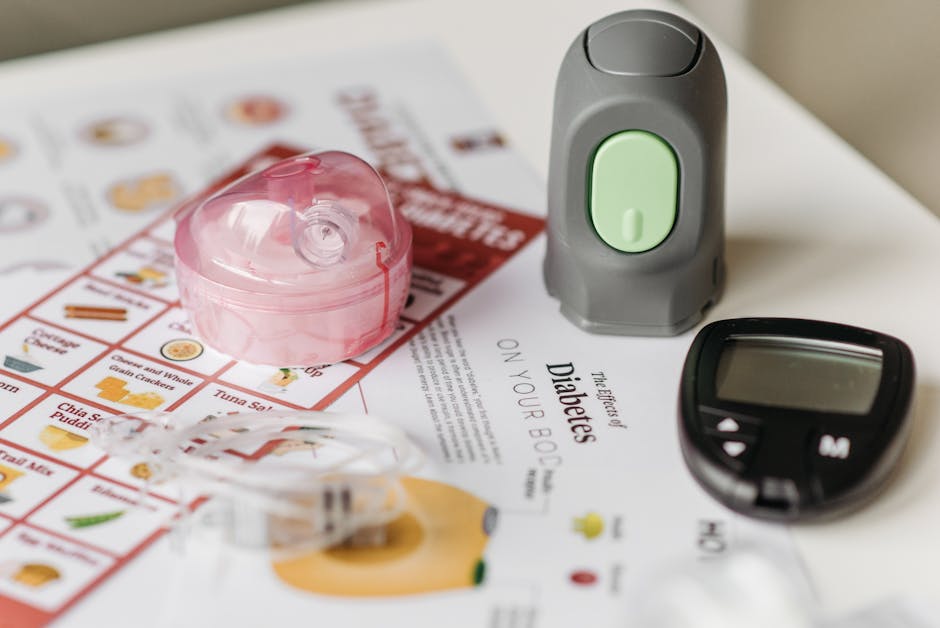
    This year, during my health check-up, I found that my blood sugar levels were higher than expected. It seemed that stress and an irregular lifestyle were contributing factors. To address this, I focused on managing my blood sugar through lifestyle changes over the past two months. In this post, I’d like to share the specific methods I implemented.

    Diet plays a crucial role in managing blood sugar levels. The first change I made was to reduce my carbohydrate intake and focus on meals rich in protein and vegetables. For example, at lunch, I would have brown rice with chicken breast and a variety of colorful vegetables to ensure a balanced intake of nutrients.

    Avoiding snacks in the evening was particularly helpful. Eating carbohydrates late at night can lead to a sharp increase in blood sugar levels. Initially, it was challenging, but after about a week, I felt noticeably lighter.

    Exercise positively impacts blood sugar control. I incorporated aerobic exercise into my routine three times a week for about 30 minutes to an hour. Simple activities like walking or cycling were effective enough. Regular exercise can enhance insulin sensitivity, which may help in managing blood sugar levels.

    In addition to diet and exercise, supplements can strengthen blood sugar management. I chose a product called ‘Glutagen,’ which contains ingredients related to blood sugar. One of its main components, banaba leaf extract, is known for its potential to inhibit post-meal blood sugar spikes, while chromium is a mineral that may assist with insulin function. The combination of these ingredients gave me confidence in their ability to support blood sugar balance.

    I strictly adhered to these lifestyle habits for two months. After testing my fasting blood sugar and HbA1c levels, I found that they had returned to normal ranges. My doctor noted that my management was effective and suggested I could stop taking blood sugar medication.

    Ultimately, I experienced firsthand how changes in lifestyle positively influenced my blood sugar levels, reinforcing the importance of ongoing management. I encourage you to start implementing these practices for better blood sugar control today!

  • Gut Health Management for College Students: The Importance of Probiotics

    As a college student, balancing academics, social life, and personal health can be challenging, especially when it comes to gut health. Many of us experience stress and irregular eating habits that can negatively impact our digestive systems. This is where probiotics come into play, offering a simple yet effective way to support our gut health amidst the hustle and bustle of college life.

    How Do Probiotics Help Gut Health?

    Probiotics are live microorganisms that, when consumed in adequate amounts, provide health benefits, particularly for the digestive system. They help maintain a balanced gut microbiome, which is crucial for optimal digestion, nutrient absorption, and immune function. For college students, probiotics can:
    Reduce digestive discomfort: Stress and irregular meals can lead to bloating and discomfort, but probiotics can help alleviate these symptoms.
    Boost immunity: A healthy gut contributes to a stronger immune system, helping you fend off those pesky colds during exam season.
    Enhance mood and mental clarity: There’s a strong connection between gut health and mental well-being, and a balanced gut can improve focus and reduce anxiety.

    Recommended Probiotic Products for College Students

    Choosing the right probiotic can be overwhelming with so many options available. Here are some products that are particularly suitable for college students:
    1. Paleo Nature Lactobacillus Max: This product includes a unique blend of probiotics that can help support digestive health while being easy to take on the go.
    2. Jeju Lava Sea Water Probiotics: These probiotics are known for their distinctive formulation that combines prebiotics and probiotics, offering a comprehensive approach to gut health.
    3. Convenient single-serving packets: Look for probiotic products that come in easy-to-carry packets. This makes it simple to take them to class or study sessions without any hassle.

    Dietary Habits for Optimal Gut Health

    In addition to taking probiotics, adopting healthy eating habits is crucial for maintaining gut health. Here are some practical tips for college students:
    Prioritize fiber-rich foods: Incorporate fruits, vegetables, and whole grains into your meals. Fiber is essential for feeding healthy gut bacteria.
    Stay hydrated: Drinking plenty of water aids digestion and helps maintain a healthy gut lining.
    Limit processed foods and sugars: These can disrupt gut microbiota and lead to digestive issues.
    Mindful eating: Try to establish regular meal times and avoid eating on the go. This will not only improve digestion but also help you enjoy your meals more.

    Building a Routine

    Establishing a routine can make it easier to incorporate probiotics into your daily life. For example, after a busy morning of classes, I found it helpful to keep my probiotics in my backpack. This way, I could take them right before my next class without needing to worry about preparing anything special. The convenience of single-serving packets also means I can enjoy them anywhere—whether in the library or at a coffee shop.

    After consistently taking probiotics for a few weeks, I noticed subtle but significant changes in my overall well-being. My digestive discomfort decreased, and I felt more energetic and focused throughout the day. This improvement has encouraged me to prioritize my gut health as part of my daily routine.

    In conclusion, managing gut health is essential for college students navigating the challenges of academic life. By incorporating probiotics and adopting healthy eating habits, you can support your digestive health and enhance your overall well-being, allowing you to thrive in your studies and daily activities.

  • The Ultimate Guide to the Switch-On Diet for Reducing Visceral Fat

    Understanding the Switch-On Diet

    If you’re looking to shed some visceral fat, the Switch-On Diet might be your answer. Developed by Dr. Park Yong-woo, this innovative approach focuses on activating your body’s fat-burning mechanisms. But what exactly does that entail? Let’s break it down.

    Core Principles of the Switch-On Diet

    The Switch-On Diet’s core principle lies in a method called ‘switching on’ your body’s fat-burning processes. This is achieved through a carefully structured eating plan that balances protein intake while eliminating harmful carbs and sugars, effectively stimulating your metabolism and promoting fat loss.

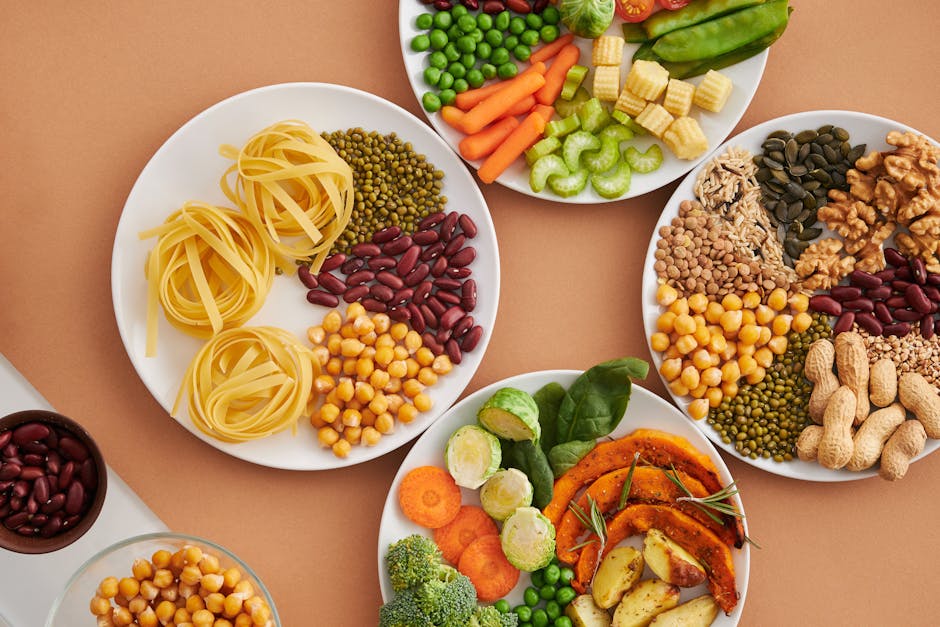
    Instead of traditional diets that often lead to muscle loss or nutrient deficiencies, this diet prioritizes healthy, whole foods and high protein intake. It encourages the consumption of lean proteins, healthy fats, and fibrous vegetables, thereby enhancing your body’s capacity to burn visceral fat.

    Effectiveness in Reducing Visceral Fat

    Many participants report significant results when following the Switch-On Diet. For instance, one user claimed to lose 11 kg in just four weeks, largely due to the diet’s effective regulation of appetite and metabolism. On average, people can expect to lose anywhere from 4 to 8 kg in the first month, especially if they adhere strictly to the meal plan.

    The diet not only helps in weight loss but also promotes overall health improvements, such as clearer skin and increased energy levels, making it a holistic approach to health and fitness.

    Structuring Your Diet

    Week 1: Kickstart Your Journey

    • Days 1-3: Consume only high-protein shakes four times a day (breakfast, lunch, snack, and dinner).
    • Days 4-7: Begin incorporating solid meals into lunch, focusing on lean proteins and non-starchy vegetables.

    Week 2: Gradual Introduction of Solid Foods

    • Continue with protein shakes but add two solid meals (lunch and dinner) consisting of grilled chicken, salmon, or tofu, paired with greens.
    • Introduce a 24-hour fasting period once a week to maximize detoxification and fat loss.

    Week 3 & 4: Intensify and Maintain

    • Gradually increase fasting to twice a week in the third week and three times in the fourth week, maintaining a low-carb, high-protein diet.

    Important Considerations

    1. Quality Over Quantity: Focus on the nutritional value of your food. Opt for high-protein, low-carb options to ensure you’re still fueling your body while losing weight.
    2. Stay Hydrated: Proper hydration is crucial, especially when consuming protein shakes and during fasting periods.
    3. Listen to Your Body: Pay attention to how your body responds to the diet. If you’re feeling fatigued or unwell, adjust accordingly.
    4. Supplement with Probiotics: Incorporating probiotics can aid digestion and enhance fat metabolism, making it easier to achieve your goals.

    5. Be Patient and Persistent: While the results can be rapid, maintaining a healthy mindset and being consistent with your diet is key to long-term success.

    Conclusion

    The Switch-On Diet is not just a method for losing weight; it’s a lifestyle change aimed at promoting overall health. By following the structured meal plan and understanding the underlying principles, you can effectively reduce visceral fat and improve your general well-being. Remember, commitment and consistency are your best allies in this journey!