Tag: cosmetics

  • Solving Skin Concerns! 5 Tips for Choosing the Right Cosmetics

    Solving Skin Concerns! 5 Tips for Choosing the Right Cosmetics

    If you have skin concerns, what criteria do you use when choosing cosmetics? With so many types and ingredients available, it can be challenging to make the right choice. Today, we’ll explore suitable products and ingredients based on skin type, along with some important considerations.
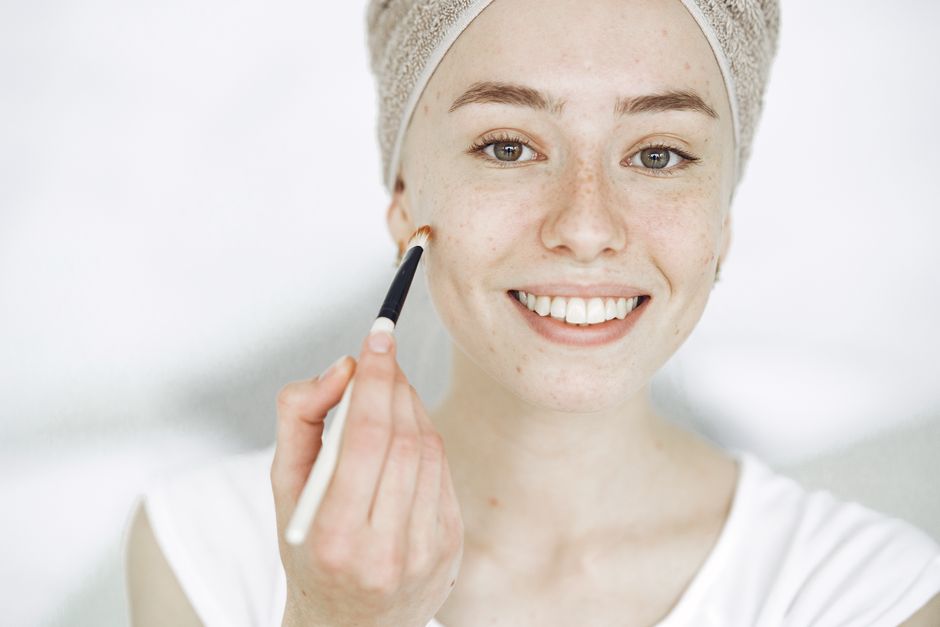
    For those with oily skin, issues like acne and shine can be a concern. In this case, opt for non-comedogenic products.
    Key ingredients like salicylic acid can help keep pores clean and may assist in preventing acne. However, be aware that it might cause dryness, so remember to apply a moisturizer afterward.

    Dry skin often suffers from a lack of moisture, leading to flakiness and itchiness. Products containing hyaluronic acid or ceramides are recommended.
    These ingredients can help strengthen the skin barrier and retain moisture. It’s best to avoid products with alcohol, as they can exacerbate dryness.

    Combination skin, where the T-zone is oily and the U-zone is dry, requires balanced products. Consider using lightweight hydrating creams and those with green tea extract.
    This ingredient has soothing properties that can help comfort the skin. When applying, focus on the specific areas that need more attention.

    For sensitive skin, it’s advisable to choose products that are fragrance-free and alcohol-free.
    Look for products containing oatmeal extract or calendula, which can help soothe the skin. Always perform a patch test when trying out a new product for the first time.

    If aging is a concern, consider cosmetics that contain retinol or peptides.
    These ingredients can promote skin regeneration and enhance elasticity. Keep in mind that they may increase skin sensitivity, so it’s best to use them at night and apply sunscreen during the day.

    Choosing the right cosmetics for your skin type is the first step towards improving your skin. Understanding the benefits and precautions of each ingredient can greatly assist in addressing your skin concerns!

    If you have any questions, feel free to leave a comment. Let’s discuss together!

  • Safe Cosmetics Ingredient Guide for Pregnant Women

    Introduction

    Pregnancy is a beautiful journey, but it also comes with its own set of challenges, especially when it comes to skincare. Many expecting mothers wonder about the safety of their cosmetics. This guide will help you navigate through harmful ingredients and suggest safe alternatives for a glowing complexion during this special time.

    Ingredients to Avoid During Pregnancy

    1. Retinol (Vitamin A Derivative)

    Retinol is known for its anti-aging properties but can pose risks during pregnancy. It can affect fetal development, so it’s best to avoid it.
    Safe Alternative: Consider using Bakuchiol, a plant-based alternative that offers similar benefits without the side effects. Products containing beta-carotene are also excellent choices, as they convert to Vitamin A only as needed by your body.

    2. Salicylic Acid (BHA)

    While effective for treating acne and blemishes, high concentrations of salicylic acid can be problematic during pregnancy. It penetrates deeply into the skin, which can be concerning.
    Safe Alternative: Switch to PHA (Polyhydroxy Acid) or LHA (Lipo Hydroxy Acid), which are gentler on the skin and still help exfoliate without irritation.

    3. Hydroquinone

    This skin-lightening agent can be harmful and is best avoided during pregnancy due to potential risks associated with absorption.
    Safe Alternative: Opt for Niacinamide or White Mulberry Extract. These ingredients can help even skin tone and reduce dark spots without the associated risks.

    Safe Ingredients for Skin Care During Pregnancy

    • Zinc Oxide: A safe mineral sunscreen that protects against UV rays without harmful chemicals.
    • Peptides: Help to boost collagen production and skin elasticity without causing irritation.
    • Hyaluronic Acid: Excellent for hydration, this ingredient is gentle and effective for maintaining skin moisture levels.

    Skincare Tips for Expecting Mothers

    1. Stay Hydrated: Drink plenty of water to keep your skin hydrated from within.
    2. Gentle Cleansing: Use mild, fragrance-free cleansers that won’t irritate your sensitive skin.
    3. Moisturize Regularly: Keep your skin nourished with safe moisturizers to combat dryness and stretch marks.
    4. Sunscreen is Essential: Protect your skin from sun damage, especially since hormonal changes can increase sensitivity to UV rays.

    Conclusion

    As you embark on this wonderful journey of motherhood, it’s crucial to be mindful of the products you use. By avoiding harmful ingredients and opting for safe alternatives, you can keep your skin healthy and glowing throughout your pregnancy. Always consult with your healthcare provider if you have any concerns about the products you are using.

  • A Guide to Safe Cosmetics During Pregnancy

    Introduction

    Pregnancy brings about many changes, and with it, the need to be extra cautious about the products you use. With rising concerns about cosmetic ingredients, it’s crucial to know what to avoid and how to choose safe options for you and your baby.

    Ingredients to Avoid

    As an expecting mother, you should be aware of specific harmful ingredients commonly found in cosmetics:
    Retinoids: Often found in anti-aging products, they can affect fetal development.
    Salicylic Acid: High doses can lead to complications, so opt for alternatives.
    Formaldehyde: This preservative is linked to reproductive issues.
    Parabens: Commonly used as preservatives, they may disrupt hormone balance.
    Phthalates: Often found in fragrances, they are associated with developmental issues.

    Safe Cosmetic Choices

    When selecting cosmetics during pregnancy, look for products that are:
    Natural and Organic: Brands that focus on natural ingredients tend to avoid harmful chemicals.
    Hypoallergenic: These products are less likely to cause skin irritations.
    Fragrance-Free: Opt for unscented options to reduce exposure to potentially harmful chemicals.

    Some trusted brands include:
    Burt’s Bees: Known for its natural ingredients.
    Earth Mama: Offers organic and safe products for pregnant women.
    Aveeno: Focuses on gentle, skin-friendly formulations.

    How to Check Ingredients

    Reading ingredient labels can be daunting, but it’s essential:
    1. Research: Use resources like the EWG’s Skin Deep database to check product safety ratings.
    2. Ingredient Lists: Familiarize yourself with harmful ingredients and always check labels before purchasing.
    3. Consult a Professional: When in doubt, talk to your healthcare provider about safe products.

    Conclusion

    Choosing safe cosmetics during pregnancy is not just a preference but a necessity for your health and the well-being of your baby. By avoiding harmful ingredients and opting for safe alternatives, you can enjoy your pregnancy without unnecessary worries.

  • Safe Cosmetic Ingredients Guide for Expecting Mothers

    Hello, lovely readers! 🌼 As someone who is excited about becoming an aunt soon, I’ve been thinking a lot about what safe cosmetics my sister, who is pregnant, can use. There’s a lot of confusion about what’s safe and what’s not when it comes to skincare during pregnancy, so I’m here to share a heartfelt guide that can help expectant mothers navigate the beauty aisle safely.

    Key Ingredients to Avoid During Pregnancy

    Let’s start with the top three ingredients you should steer clear of:

    1. Retinol (Vitamin A Derivative)
      Retinol is excellent for anti-aging, but it can pose risks to the fetus. Instead, consider using Bakuchiol, a plant-based alternative that provides similar benefits without the harsh effects of retinol. Carrot seed oil is also a fantastic substitute.
      Remember, while topical application has some limitations on absorption, high doses of ingested Vitamin A can directly affect the fetus, so always be cautious!

    2. Salicylic Acid (BHA)
      This popular ingredient is great for treating blemishes but can be problematic in high concentrations during pregnancy. Instead, switch to PHA or LHA, which are gentler and safer for expectant mothers.
      High hormonal fluctuations during pregnancy can make the skin more sensitive, so you want to avoid any harsh treatments that could aggravate your skin.

    3. Hydroquinone
      Commonly used for skin lightening, hydroquinone can be unsafe for pregnant women. Instead, opt for Niacinamide or Mulberry Extract, which can help improve skin tone without the risks.

    Safe Cosmetic Alternatives

    Now that we know what to avoid, let’s explore some safe ingredients:
    Bakuchiol: This plant-based ingredient is a natural alternative to retinol, known for its anti-aging properties without the side effects.
    Niacinamide: A powerhouse for hydration and brightening the skin, it’s also known for reducing inflammation and redness.
    Zinc Oxide: A mineral sunscreen option that is safe during pregnancy, providing protection without chemical absorption.

    Choosing Products Based on Skin Changes

    Pregnancy often leads to hormonal changes that can affect your skin. Here are some tips on selecting products:
    For Dry Skin: Look for products rich in hyaluronic acid and ceramides to help maintain moisture.
    For Oily/Acne-Prone Skin: Consider gentle exfoliating ingredients like PHA, which are less irritating.
    For Hyperpigmented Skin: Use niacinamide and gentle botanical extracts to help even out skin tone without harsh chemicals.

    Final Thoughts

    Navigating skincare during pregnancy doesn’t have to be stressful. By avoiding certain ingredients and choosing safer alternatives, you can keep your skin healthy and radiant throughout your pregnancy. Whether you’re looking for a moisturizer, sunscreen, or treatment, always read labels carefully and consult with your healthcare provider if you’re unsure. Your skin deserves the best, and so does your little one! 💖

  • Your Ultimate Guide to Skincare Routines Based on Skin Type

    Why a Proper Skincare Routine Matters

    Navigating the world of skincare can be daunting, especially when it comes to the order of application. Many people often find themselves confused about whether to apply essence after toner or if serum should come before ampoule. The truth is, the effectiveness of your skincare products can significantly depend on the order in which they are applied. A well-structured skincare routine tailored to your skin type not only enhances absorption but also maximizes the benefits of each product. Let’s break down the essential steps to create a routine that works best for you.

    Basic Principles of Skincare Order

    When it comes to applying skincare products, remember this golden rule: use lighter formulations first, followed by heavier ones. Here’s a straightforward hierarchy to follow:

    • Toner (lightest)
    • Essence (hydrating focus)
    • Serum/Ampoule (concentrated treatment)
    • Cream (protective layer)

    Visualizing your routine as a step-up process can make it easier to remember. The lighter the product, the earlier it should go on your skin. This principle is the foundation of an effective skincare regimen.

    Morning Skincare Routine

    The morning is all about a quick and light approach to skincare. An ideal morning routine generally includes:

    1. Cleansing
    2. Toner
    3. Essence or Serum
    4. Cream
    5. Sunscreen

    It’s best to keep your morning routine simple—aim for about three to four steps. Overloading your skin with too many products can lead to makeup pilling throughout the day. Sunscreen is especially crucial in the morning as it acts as a barrier against UV damage and premature aging.

    Evening Skincare Routine

    As the day winds down, your skin enters a recovery phase. This is the perfect time for a more intensive skincare routine. Your evening process may look like this:

    1. Cleansing
    2. Toner
    3. Essence
    4. Serum or Ampoule
    5. Eye Cream
    6. Cream

    In the evening, consider incorporating products geared towards skin repair, such as anti-aging serums and hydrating creams. This will help your skin rejuvenate overnight.

    Key Points to Remember

    The method of application is just as vital as the products themselves. Here are some essential tips for an effective skincare routine:

    • Apply the next product only after the prior one has absorbed.
    • Avoid using too many products at once; this can overwhelm your skin.
    • Adjust your routine according to your specific skin type.
    • Never skip sunscreen, regardless of the season.

    By following these fundamental guidelines, you can significantly improve your skin’s health and appearance.

    Conclusion

    Today, we’ve covered the essential steps in building an effective skincare routine tailored to your skin type. Remember, having a structured approach is more important than simply using expensive products. Just keep in mind the principle of layering from light to heavy, and you’ll be well on your way to achieving healthier, more radiant skin. As you develop your skincare rituals, prioritize the order of application to see a noticeable difference in your skin’s condition.