Tag: beauty tips

  • Solving Skin Concerns! 5 Tips for Choosing the Right Cosmetics

    Solving Skin Concerns! 5 Tips for Choosing the Right Cosmetics

    If you have skin concerns, what criteria do you use when choosing cosmetics? With so many types and ingredients available, it can be challenging to make the right choice. Today, we’ll explore suitable products and ingredients based on skin type, along with some important considerations.
    For those with oily skin, issues like acne and shine can be a concern. In this case, opt for non-comedogenic products.
    Key ingredients like salicylic acid can help keep pores clean and may assist in preventing acne. However, be aware that it might cause dryness, so remember to apply a moisturizer afterward.

    Dry skin often suffers from a lack of moisture, leading to flakiness and itchiness. Products containing hyaluronic acid or ceramides are recommended.
    These ingredients can help strengthen the skin barrier and retain moisture. It’s best to avoid products with alcohol, as they can exacerbate dryness.

    Combination skin, where the T-zone is oily and the U-zone is dry, requires balanced products. Consider using lightweight hydrating creams and those with green tea extract.
    This ingredient has soothing properties that can help comfort the skin. When applying, focus on the specific areas that need more attention.

    For sensitive skin, it’s advisable to choose products that are fragrance-free and alcohol-free.
    Look for products containing oatmeal extract or calendula, which can help soothe the skin. Always perform a patch test when trying out a new product for the first time.

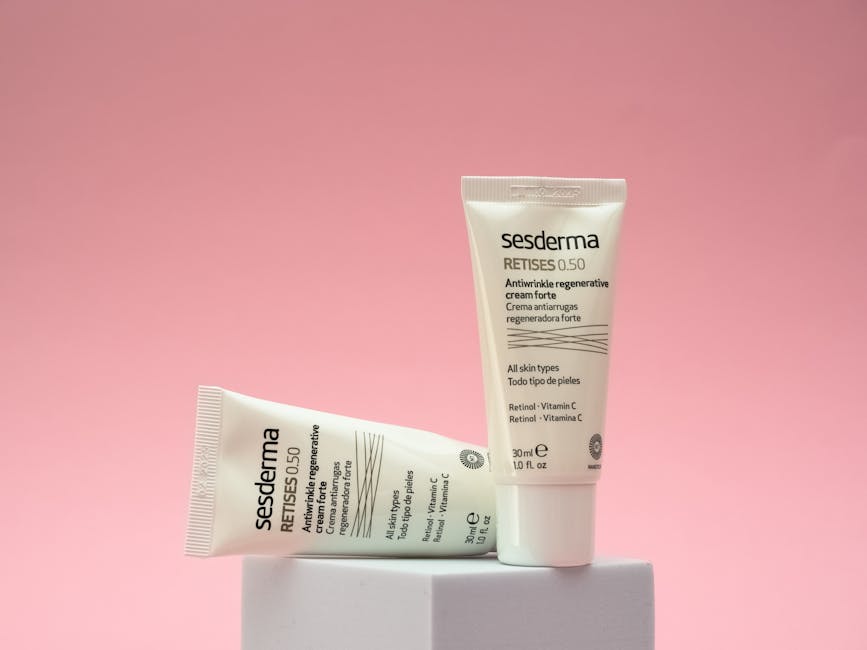
    If aging is a concern, consider cosmetics that contain retinol or peptides.
    These ingredients can promote skin regeneration and enhance elasticity. Keep in mind that they may increase skin sensitivity, so it’s best to use them at night and apply sunscreen during the day.

    Choosing the right cosmetics for your skin type is the first step towards improving your skin. Understanding the benefits and precautions of each ingredient can greatly assist in addressing your skin concerns!

    If you have any questions, feel free to leave a comment. Let’s discuss together!

  • Unlocking the Secrets of CeliMax Retinol: Effective Skincare Tips Revealed!

    Unlocking the Secrets of CeliMax Retinol: Effective Skincare Tips Revealed!

    With the rise of skincare enthusiasts, CeliMax Retinol has gained popularity as a go-to solution for various skin concerns. If you’re curious about its effectiveness, usage precautions, and how to tailor it to your skin type, you’ve come to the right place!

    CeliMax Retinol is celebrated for its ability to improve skin texture, reduce the appearance of fine lines, and minimize pores. Users often report a noticeable enhancement in skin firmness and elasticity. The product’s retinol derivative is milder than pure retinol, making it a solid option for those new to retinol treatments.

    When incorporating CeliMax Retinol into your routine, it’s essential to tread carefully. Here’s how to use it effectively:

    Different skin types may require slightly different approaches when using CeliMax Retinol:
    Oily Skin: You may benefit from applying retinol more frequently once your skin adjusts. Focus on areas prone to breakouts like the T-zone.
    Dry Skin: Pair retinol with a rich moisturizer to maintain hydration. Consider using it less frequently to combat any potential dryness.
    Sensitive Skin: Start with a lower frequency and consider using additional soothing products to mitigate possible irritation.

    CeliMax Retinol can be an effective ally in your skincare journey, helping you achieve smoother and more youthful-looking skin. By understanding its benefits, adhering to usage guidelines, and customizing your approach based on your skin type, you can maximize the advantages of this product while minimizing any drawbacks. Happy skincare!

  • Choosing the Right Hyaluronic Acid Product for Your Skin Type

    Hyaluronic acid has become a buzzword in the skincare world, celebrated for its remarkable hydrating properties. But with various products available, how do you choose the right one for your skin type? Let’s dive into the benefits of hyaluronic acid, suitable products for different skin types, and any potential side effects or precautions to consider.

    Benefits of Hyaluronic Acid

    Hyaluronic acid is a naturally occurring substance in our bodies, capable of holding up to 1,000 times its weight in water. This makes it a powerful moisturizer that helps to:
    Hydrate the Skin: It penetrates the skin to provide deep moisture, leaving it plump and dewy.
    Reduce the Appearance of Fine Lines: By maintaining moisture, hyaluronic acid can help to diminish the visible signs of aging.
    Enhance Skin Barrier Function: It helps to strengthen the skin’s barrier, preventing moisture loss.

    Choosing the Right Product for Your Skin Type

    1. Oily Skin

    Recommended Product: Lightweight Hyaluronic Acid Serum
    Why: A lightweight serum absorbs quickly without leaving a greasy residue, providing hydration without clogging pores.
    Top Pick: Look for serums with a lower concentration of hyaluronic acid to avoid feeling heavy on the skin.

    2. Dry Skin

    Recommended Product: Rich Hyaluronic Acid Cream or Balm
    Why: A thicker cream or balm creates a moisture barrier that locks in hydration, making it ideal for dry skin types.
    Top Pick: Products containing additional emollients like shea butter or ceramides can enhance the moisturizing effect.

    3. Combination Skin

    Recommended Product: Hyaluronic Acid Gel
    Why: A gel formulation provides hydration while balancing oiliness, making it suitable for combination skin.
    Top Pick: Look for gels that include both low and high molecular weight hyaluronic acid for multi-layer hydration.

    4. Sensitive Skin

    Recommended Product: Fragrance-Free Hyaluronic Acid Serum
    Why: Sensitive skin requires gentle formulations without irritants; a fragrance-free serum minimizes the risk of reactions.
    Top Pick: Opt for serums that include soothing ingredients like aloe vera or chamomile to calm the skin.

    Side Effects and Precautions

    While hyaluronic acid is generally safe for most skin types, some individuals may experience:
    Allergic Reactions: Although rare, some people may develop allergies to certain formulations.
    Digestive Issues: When taken as a supplement, digestive discomfort can occur, though this is uncommon.
    Cancer Concerns: There are discussions regarding hyaluronic acid’s effect on cell growth, particularly in cancer patients, so consult a doctor if you’re undergoing treatment.
    Pregnancy and Nursing: The safety of hyaluronic acid during pregnancy and breastfeeding has not been firmly established; consult a healthcare provider for advice.

    Final Thoughts

    To truly benefit from hyaluronic acid, consider not just the type of product but also how you incorporate it into your skincare routine. Combining topical application with proper hydration and possibly using devices to enhance absorption can maximize its effects. Always patch-test new products, especially if you have sensitive skin or are prone to allergies. With the right knowledge and approach, you can harness the power of hyaluronic acid for beautifully hydrated skin!

  • Spring Skincare Tips for Acne-Prone Skin

    Why Spring Matters for Acne-Prone Skin

    As the weather warms up and the days grow longer, spring brings a fresh start—but it can also be a tricky time for those with acne-prone skin. The combination of fluctuating temperatures, increased humidity, and environmental factors like pollen and dust can exacerbate skin issues. As someone with oily, acne-prone skin, I know how important it is to adapt your skincare routine to tackle these seasonal challenges. Let’s dive into some practical tips to keep your skin clear and radiant this spring!

    Step 1: Cleansing is Key

    The foundation of any good skincare routine is effective cleansing. In spring, when the air is filled with allergens and pollution, it’s crucial to ensure that your skin is properly cleaned. Here’s what to look for in a cleanser:
    Foam Effectiveness: Does it create a good lather?
    Makeup Removal: Is it effective at removing makeup?
    Residue-Free: Does it rinse off completely without leaving a film?
    Hydration: Does it leave your skin feeling tight or dry?

    For my acne-prone skin, I prefer a gel-to-foam cleanser that removes makeup while keeping my skin hydrated. On days when my skin feels extra congested, I’ll reach for a powder cleanser for a deeper clean. For gentle exfoliation, using a silicone cleansing brush is a game changer, minimizing irritation while still effectively sloughing off dead skin cells.

    Step 2: Tone for Balance

    After cleansing, it’s essential to tone your skin to restore balance. A toner can help remove any leftover impurities and prep your skin for the next steps in your routine. Here’s how I approach toning:
    Choose Wisely: For spring, opt for a cooling toner that refreshes your skin. It should ideally be lightweight and hydrating to accommodate the warmer weather.
    Use Toner Pads: I love using toner pads as they provide a quick and easy way to apply the product while also helping to exfoliate any remaining dead skin. They keep my skin feeling fresh without overwhelming it with heavy ingredients.

    Step 3: Moisturize with Care

    Moisturizing is a crucial step, even for those of us with oily, acne-prone skin. The secret lies in using the right products:
    Lightweight Formulas: I typically use a lightweight lotion or serum that won’t clog my pores. Look for ingredients like hyaluronic acid, which hydrates without heaviness.
    Avoid Overdoing It: Less is more! I prefer to apply just enough product to keep my skin feeling comfortable without adding excess oil.

    In spring, I focus on maintaining hydration while keeping my skin clear. Avoiding heavy creams helps prevent breakouts while ensuring I still get the moisture I need.

    Conclusion: Embrace the Change

    As spring brings a new season, it’s the perfect time to reassess and adapt your skincare routine. By focusing on gentle cleansing, effective toning, and lightweight moisturization, you can keep your acne-prone skin in check. Remember, the key is to listen to your skin and adjust your products as needed. With these tips, you can enjoy the beautiful spring weather with confidence!

  • A Safe Guide to Skincare Ingredients for Pregnant Women

    Introduction

    When you’re expecting, your skin can become particularly sensitive, leading to various issues such as breakouts or irritation. This sensitivity makes it crucial to be extra cautious about the products you apply, as certain cosmetic ingredients may not only affect your skin but could also pose risks to your developing baby. In this guide, we’ll explore specific ingredients that pregnant women should avoid and suggest safer alternatives.

    Ingredients to Avoid During Pregnancy

    1. Retinol

    Retinol is a widely recognized ingredient known for its anti-aging properties and skin rejuvenation benefits. It can help improve wrinkles, dark spots, and acne. However, during pregnancy, it’s advisable to steer clear of retinol. When absorbed into the skin, retinol converts to a more active form that can interfere with fetal organ development. Therefore, exposure to high levels of retinol during pregnancy can increase the risk of birth defects.

    2. Hydroquinone

    Another ingredient to avoid is hydroquinone, commonly found in skin-lightening products. Hydroquinone works by inhibiting melanin production, which can lead to lighter skin. However, its high absorption rate and uncertain safety for unborn babies make it a risky choice for pregnant women. It’s best to avoid this ingredient altogether during pregnancy.

    Safe Ingredients for Expectant Mothers

    1. Hydrating Ingredients

    For those looking for safe moisturizing options, ingredients like hyaluronic acid, ceramides, glycerin, panthenol, allantoin, and squalane are excellent choices. These components help in maintaining skin hydration and promoting recovery without posing any risks to you or your baby.

    2. Gentle Brightening Agents

    If you’re interested in brightening your skin during pregnancy, consider using vitamin C, niacinamide, or azelaic acid. These ingredients work gradually to slow down melanin production, making them safer alternatives to harsher agents like hydroquinone.

    3. Soothing Extracts

    Natural extracts such as Cica, madecassoside, chamomile, and aloe vera are often well-tolerated and can effectively calm irritated skin. These ingredients are derived from plants, making them a gentle and safe option during pregnancy.

    4. Mineral Sunscreens

    For sun protection, mineral-based sunscreens are highly recommended. These products work by reflecting UV rays away from the skin, minimizing absorption while effectively protecting against sun damage. They are generally safer and less likely to irritate sensitive skin compared to chemical sunscreens.

    Final Thoughts

    To make informed choices about skincare products, consider using ingredient analysis apps like Mom Guide. Such tools not only evaluate cosmetics but also assess household products like detergents and baby items, giving you peace of mind. These apps often provide a clear grading system, allowing you to quickly identify safe options without extensive research.

    As you navigate your pregnancy journey, remember that maintaining healthy skin is essential. By avoiding harmful ingredients and opting for safe alternatives, you can ensure both your skin and your baby stay in good health. Don’t hesitate to invest in a quality moisturizer or stretch mark cream that has been rated safe—your skin will thank you!

  • The Ultimate Guide to Skincare Order: Maximizing Your Skincare Routine

    Why Skincare Order Matters

    When it comes to skincare, understanding the correct order of application can significantly impact the health and appearance of your skin. Many people find themselves puzzled by the right sequence to follow, often questioning whether to apply essence before serum or vice versa. However, the truth is that the efficacy of your products lies not just in their quality but also in how you layer them. By following a systematic approach, you can enhance absorption and maximize the benefits of each product.

    Basic Principles of Skincare Application

    The foundational principle of an effective skincare routine is to apply products in order of their consistency, starting from the lightest to the heaviest. Think of your routine like building layers:
    Toner: This is the lightest product and should be applied first to prep your skin.
    Essence: Slightly thicker than toner, this product provides hydration.
    Serum or Ampoule: Concentrated formulations that target specific skin concerns.
    Cream: The final layer that seals in moisture and protects the skin.

    By adhering to this order, you ensure that each product can penetrate effectively, allowing your skin to reap the full benefits.

    Morning and Evening Skincare Routines

    Your skincare routine should vary between morning and night to address your skin’s needs at different times of the day.

    Morning Routine

    In the morning, it’s essential to keep your regimen light and quick to avoid makeup issues later in the day. A typical morning routine might look like this:
    1. Cleansing
    2. Toner
    3. Essence or Serum
    4. Cream
    5. Sunscreen

    Since you want to avoid a heavy buildup of products that could cause makeup to slide off, sticking to three to four simple steps will suffice. Don’t forget that sunscreen is crucial to protect your skin from UV damage, making it a non-negotiable step.

    Evening Routine

    At night, your skin enters a repair mode, allowing for a more intensive routine. Here’s a recommended sequence:
    1. Cleansing
    2. Toner
    3. Essence
    4. Serum or Ampoule
    5. Eye Cream
    6. Cream

    Evening routines can include specialized products like hydrating serums or treatments for brightening and anti-aging. This is your chance to pamper your skin and help it recover from daily stressors.

    Essential Tips for Optimal Skincare

    To ensure that your skincare routine is effective, keep these tips in mind:
    Layering: Allow each product to absorb fully before applying the next.
    Moderation: Using too many products at once can overwhelm your skin.
    Customization: Tailor your routine to your skin type for the best results.
    Year-round Sunscreen: Never skip sunscreen, regardless of the season.

    By following these basic guidelines, you can maintain healthier skin and a more consistent skincare routine.

    Conclusion

    In conclusion, understanding the correct order of skincare application is vital for achieving optimal results. Remember, the key is to begin with lighter formulations and gradually move to heavier ones. By establishing a structured routine based on these principles, you can enjoy a more effective skincare experience. Embrace the power of the correct skincare order and watch your skin flourish!

  • Maximizing the Benefits of Your Skincare Routine: The Right Order and Tips

    Introduction: Why Skincare Order Matters

    Have you ever invested in high-end skincare products only to feel disappointed by their results? It’s a common scenario that often stems not from the quality of the products but rather from the method of application. The order in which you apply your skincare products and allowing adequate absorption time are critical for achieving the best results. In this article, we’ll guide you through the proper sequence for applying your basic skincare products, ensuring you get the most out of your routine.

    The Fundamental Principle of Skincare Application

    At its core, skincare is straightforward. The key principle is to start with lighter formulations and gradually move to heavier ones. This approach ensures that your skin effectively absorbs lighter products first, allowing subsequent layers to penetrate and perform their functions properly. Here’s the ideal order:

    1. Toner
      Begin your routine right after cleansing your face.
    2. Purpose: Prepares your skin and provides initial hydration.
    3. Absorption Time: 30 seconds to 1 minute.
      Tip: Apply toner with your hands for better absorption instead of using cotton pads.

    4. Essence/Serum
      This step targets specific skin concerns.

    5. Purpose: Brightening, wrinkle reduction, and acne treatment.
    6. Absorption Time: 1 to 2 minutes.
      If using multiple serums, apply the lighter one first.

    7. Ampoule (optional)
      For those desiring concentrated nutrients.

    8. Purpose: Intensive care for skin recovery.
    9. Absorption Time: 1 to 2 minutes.
      Use only a small amount for effectiveness.

    10. Lotion/Emulsion
      This step helps balance moisture and oil.

    11. Purpose: Maintains hydration and forms a protective barrier.
    12. Absorption Time: Approximately 1 minute.
      Individuals with oily skin may find this step sufficient.

    13. Cream
      Acts as the final protective layer to lock in moisture.

    14. Purpose: Creates a moisture barrier to prevent water loss.
    15. Absorption Time: 2 to 3 minutes.
      Apply it in a gentle, covering manner.

    16. Sunscreen (morning essential)
      The last step in your morning routine.

    17. Purpose: Protects against UV rays and prevents skin aging.
    18. Absorption Time: Apply 15 to 20 minutes before sun exposure.

    Summary of Absorption Times

    • Toner: 30 seconds to 1 minute
    • Essence/Serum: 1 to 2 minutes
    • Ampoule: 1 to 2 minutes
    • Lotion: 1 minute
    • Cream: 2 to 3 minutes
    • Sunscreen: Apply 15 to 20 minutes before going outside

    In total, you’re looking at about 5 to 8 minutes for your skincare application.

    Tips for Enhanced Skincare Results

    • Use Your Palms for Absorption: Gentle pressing is more effective than patting.
    • Avoid Over-Application: More product doesn’t mean better results; the right amount combined with adequate absorption time is crucial.
    • Don’t Layer Too Soon: Allow each product to absorb before applying the next to prevent pilling and ineffective absorption.
    • Adjust Based on Skin Type: Oily skin may require fewer steps, while dry skin may benefit from additional moisturizing layers.

    Common Mistakes to Avoid

    Many people tend to apply cream immediately after toner, mix multiple serums without letting them absorb, or skip sunscreen in the morning. These habits can significantly diminish the benefits of your skincare routine.

    In conclusion, while using quality skincare products is essential, mastering the order and absorption times can transform your skin more effectively. So take a moment, slow down, and adhere to these steps. Your skin will surely thank you!