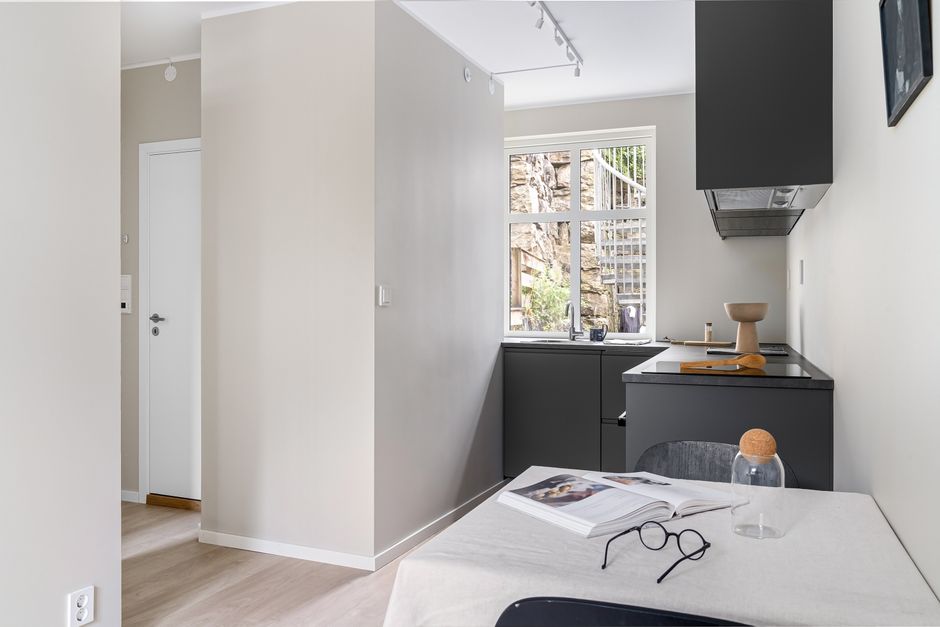
👉 At a glance: Learn to transform a small space with creative design tips, understand the benefits and drawbacks of adult bunk beds, and explore methods to maximize storage.
Maximizing Space with Clever Interior Design
When working with limited square footage, making a small space appear larger can be a challenge. Start by choosing a light color palette to create an airy feel. Mirrors are another great tool; they reflect light and give the illusion of more space.
Opt for multifunctional furniture that serves more than one purpose. A coffee table that doubles as storage or a fold-out desk can help keep the room spacious and uncluttered.
The Pros and Cons of Adult Bunk Beds
Adult bunk beds are becoming increasingly popular in small apartments. The primary advantage is that they free up valuable floor space, allowing for more flexibility in room layout. However, they may not be suitable for everyone. Consider the ceiling height and accessibility as a top bunk might not be ideal for those with mobility issues.
Additionally, while bunk beds can create distinct zones within a room, they might limit other furniture options due to their height and structure.
Increasing Storage in Small Spaces
One of the biggest challenges in a small room is storage. Utilizing vertical space is key. Shelves and cabinets that reach up to the ceiling can significantly increase storage capacity without taking up floor space.
Under-bed storage solutions, such as drawers or boxes, can help keep items organized and out of sight. Consider furniture pieces with built-in storage, such as ottomans or benches.
Creating Visual Continuity
Maintaining a cohesive look throughout the space can make it feel larger. Use a consistent color scheme and similar materials to create visual continuity. This strategy helps in avoiding any stark contrasts that may interrupt the flow of the room.
Additionally, keeping a clear line of sight by minimizing visual barriers can enhance openness and provide a more expansive feel.
The Role of Lighting in Space Perception
Lighting plays a crucial role in how we perceive space. Use a mix of ambient, task, and accent lighting to create a welcoming atmosphere and highlight different areas of the room. Natural light should be maximized wherever possible.
Incorporate mirrors to reflect light and brighten up dark corners. Strategically placed lamps can also add depth and dimension.
Smart Furniture Arrangement
Arranging furniture in a small space requires thought and planning. Use furniture that fits the scale of the room and arrange it to maximize flow and functionality. Avoid blocking pathways and keep clutter to a minimum to maintain an open feel.
⚠️ Caution: When using bunk beds, ensure they are securely installed and consider the needs of all household members, particularly in terms of accessibility and safety.
Key Takeaways
- Light colors and mirrors can make spaces look larger.
- Adult bunk beds save space but consider accessibility issues.
- Vertical storage maximizes capacity without wasting floor area.
- Consistent color and materials enhance visual continuity.
- Lighting significantly impacts space perception.
This article is general information and does not replace professional diagnosis or treatment. Consult a qualified provider if symptoms persist.
Leave a Reply