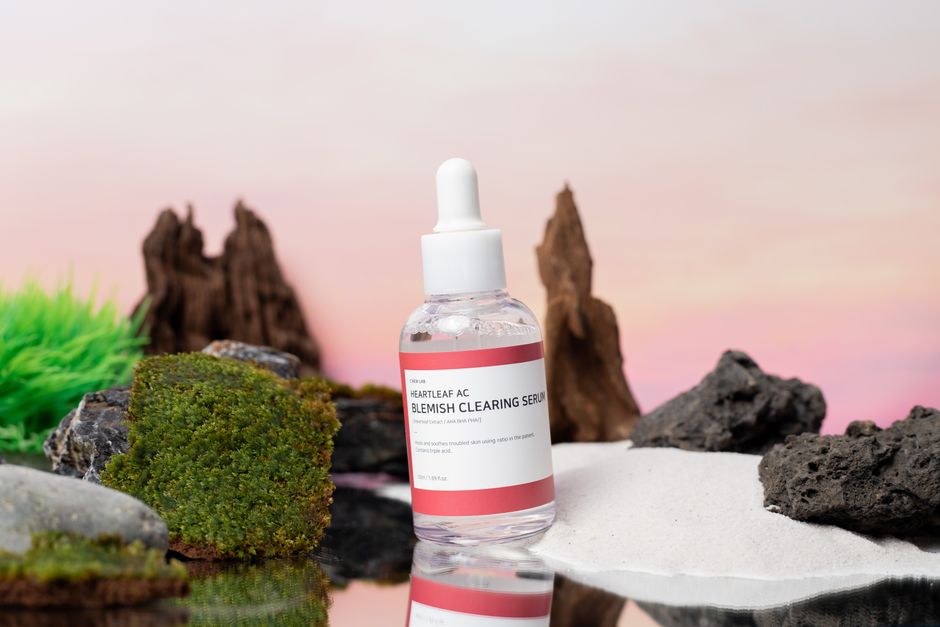
👉 At a glance: This article provides an in-depth look at managing papular acne, explores its causes, and offers home care tips for clear skin.
Understanding Papular Acne
Papular acne is characterized by red, firm bumps on the skin, often caused by clogged pores and inflammation. Unlike pustular acne, these do not contain pus, making them harder to treat but equally important in a skincare routine.
Effective Management Strategies
Managing papular acne involves reducing inflammation and using non-comedogenic skincare products. Look for ingredients like salicylic acid and niacinamide, which help unclog pores and soothe irritation.
Root Causes of Papular Acne
The main causes of papular acne include hormonal changes, stress, and certain skincare products that clog pores. Identifying and minimizing these triggers can significantly improve skin condition.
Home Remedies and Skincare Tips
In addition to professional treatments, home remedies can be effective. Use gentle cleansers twice daily and incorporate products with tea tree oil for its natural antibacterial properties. Avoid scrubbing too harshly to prevent further irritation.
The Role of Diet in Acne Management
Diet can play a role in acne flare-ups. Reducing dairy and high-glycemic foods may help manage acne more effectively. Include more fruits and vegetables in your diet to support overall skin health.
When to Consult a Dermatologist
If home treatments do not lead to improvement, consult a dermatologist for personalized care. They can offer prescriptions that target papular acne more aggressively, ensuring more effective results.
⚠️ Caution: Overuse of acne treatments can lead to irritation and worsen conditions. Monitor skin reactions closely.
Key Takeaways
- Identify and minimize triggers such as hormonal changes and stress.
- Use non-comedogenic products with ingredients like niacinamide.
- Incorporate gentle home remedies like tea tree oil.
- Consult a dermatologist for persistent acne issues.
This article is general information. Patch-test new skincare and consult a dermatologist for persistent skin concerns.
Leave a Reply